
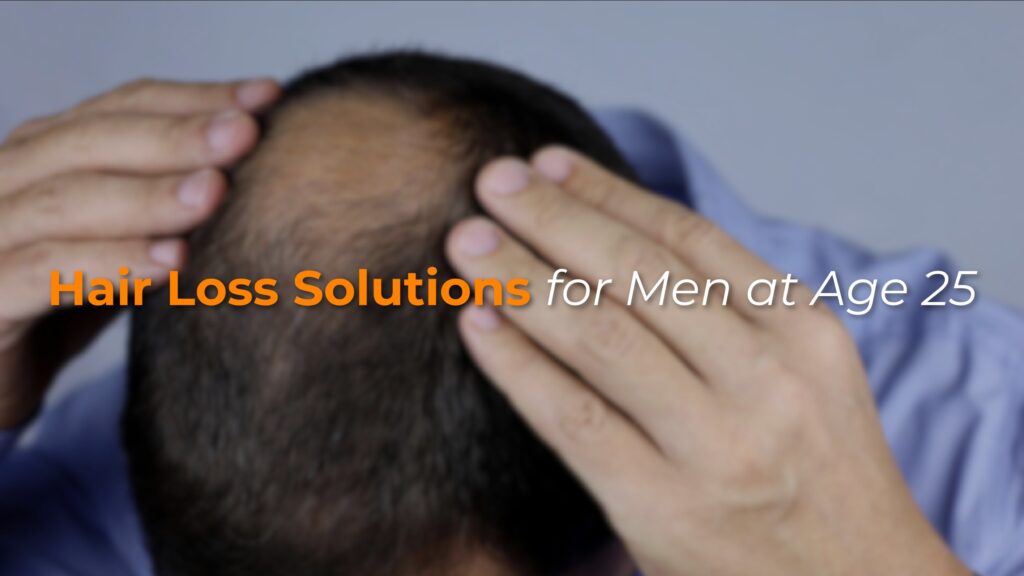
What Is Male Hair Loss at Age 25?
Male hair loss, especially at age 25, is often male pattern baldness, a genetic condition where hair thins in a specific pattern, starting with a receding hairline or thinning crown. It’s surprising that about 25% of men show visible hair loss by this age, affecting self-esteem during a time of social and professional growth.
Causes of Hair Loss
Hair loss at a young age, particularly around 25, can be distressing, impacting self-image and confidence. Male pattern baldness, or androgenetic alopecia, is the most prevalent form, characterized by a specific pattern of hair thinning and loss, typically starting with a receding hairline and thinning on the crown. It’s surprising to note that about 25% of men exhibit visible hair loss by age 25. The primary cause is genetics, family history is a key indicator, so check if relatives experienced early hair loss.
Detailed Causes of Male Hair Loss
The primary cause of male hair loss at age 25 is genetic predisposition, linked to androgenetic alopecia, where the hormone dihydrotestosterone (DHT) causes hair follicles to shrink, leading to finer and shorter hair over time. This condition is hereditary, with family history playing a significant role. Other contributing factors include:
Take the Free 2-Minute Hair Loss Assessment
Answer 5 quick questions and get your personalized Norwood grade plus treatment recommendations from our doctors.
Start Free Assessment →- Hormonal Imbalance: Elevated DHT levels, derived from testosterone, are a key trigger, affecting genetically susceptible individuals.
- Stress and Lifestyle: High stress, poor diet, and lack of sleep can exacerbate hair loss.
- Medical Conditions: Conditions like thyroid disorders or autoimmune diseases can lead to hair loss.
Understanding these causes is crucial for developing effective treatment strategies, especially given the emotional impact of hair loss at a young age.
Recognizing Early Signs of Hair Loss
Early detection is vital for successful intervention. Common signs include:
- Increased hair shedding, noticeable in the shower or on the pillow.
- Thinning hair on the crown or temples, often forming an “M” shape at the hairline.
- A visible scalp through the hair, indicating density reduction.
These symptoms can be distressing but are treatable with prompt action, emphasizing the importance of consulting a specialist early.
Comprehensive Treatment Options for Male Hair Loss
Several male hair loss treatments are available, each with varying effectiveness based on individual needs:
-
Medications:
- Minoxidil (Topical): Applied to the scalp, it stimulates hair growth by improving blood flow to follicles, effective for some.
- Finasteride (Oral): Reduces DHT production, slowing down or stopping hair loss, a common prescription for early intervention.
-
Hair Transplants:
- A surgical procedure involving the transplantation of hair follicles from the back of the head to thinning areas, offering long-lasting results.
-
Laser Therapy:
- Utilizes low-level laser light to stimulate hair growth and improve hair density, a non-invasive option gaining popularity.
-
Natural and Alternative Treatments:
- Includes essential oils, supplements like biotin, and a balanced diet rich in vitamins and minerals. While their effectiveness varies, they can support overall hair health.
Should You Treat It at 25, or Wait?
This is the question most 25 year olds actually arrive with, and the honest answer is that it depends on whether the loss has settled. At 25 the pattern is usually still moving. A transplant replaces hair that has gone; it does not stop hair that is still going. Place grafts into a hairline that carries on receding around them and the result looks wrong five years later, which is why a qualified doctor will often want to stabilise the loss first and plan the surgery for when the pattern is readable.
What that advice feels like from the other side is worth hearing. Five Assure Clinic patients talked through their timing on camera, unscripted, on the Beyond The Mirror series. Between them they cover both choices: treating early, and waiting a decade.
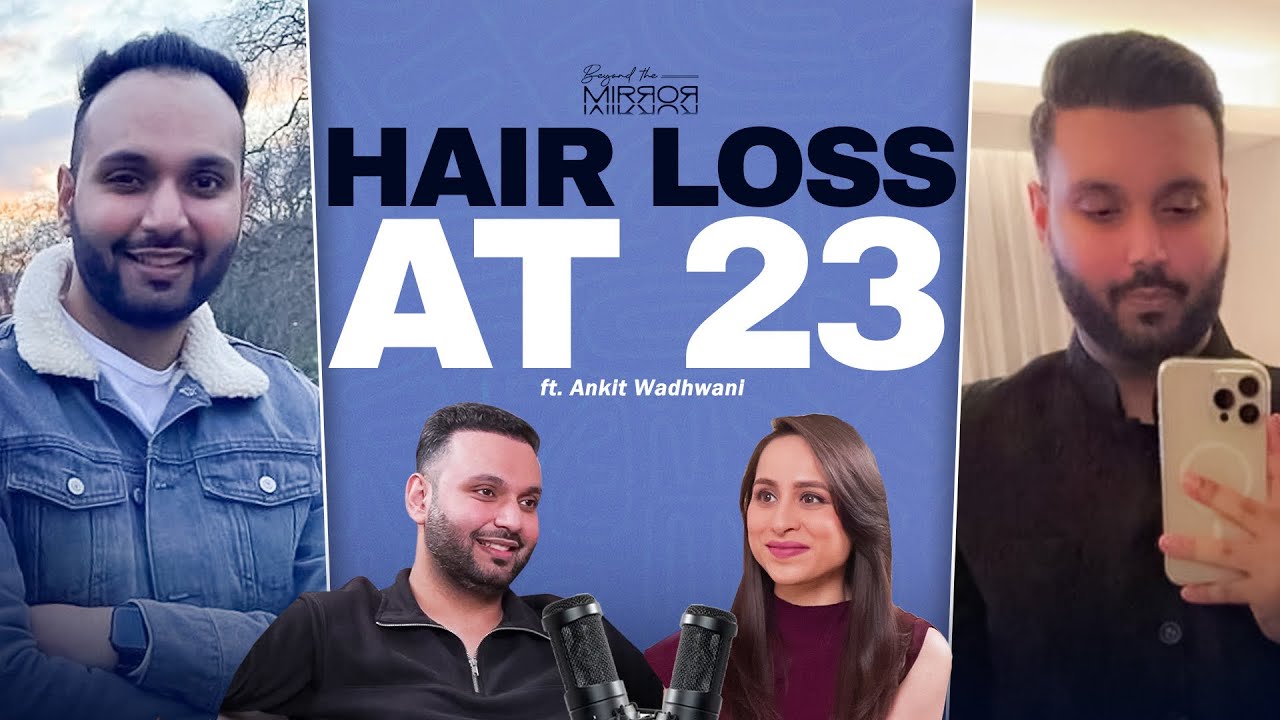
Ankit Wadhwani: Told to Wait Five Years, Went Ahead at 26
Ankit Wadhwani started losing hair at 23. His family gave him the advice most young men get, that it was too early and he should wait another five years. He describes deciding otherwise:
“I was 26 when I did it. I still have another five, eight years of prime years left. I need to look good. And that’s what I told them, and they’re like, up to you.”
Ankit Wadhwani, Beyond The Mirror, 9:25
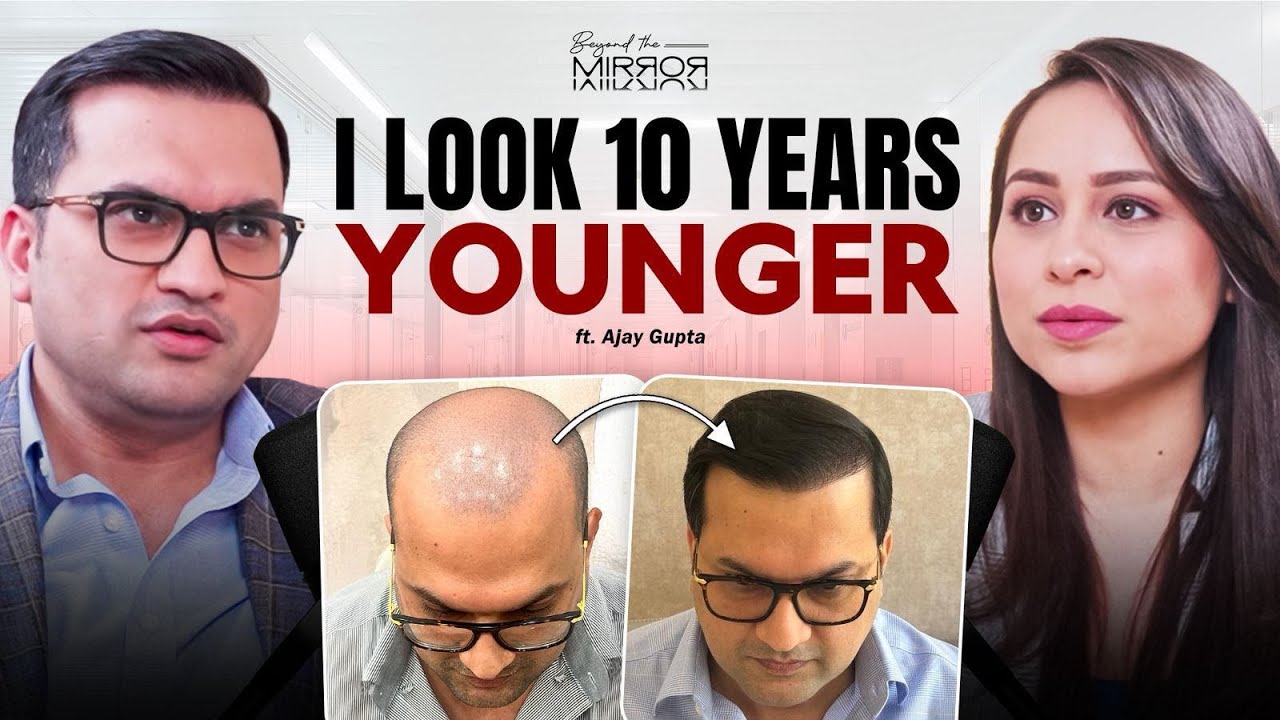
Ajay: Managed It Through His Late Twenties, and Watched It Move
Ajay took the other route. He noticed the change in his late twenties and spent years trying to hold the line with products and advice:
“Late 20s you can actually see your hairline is changing, and then by the time I was 35 I can see a major difference in my hairline. So I was managing it somehow. I was meeting a lot of people, talking about it, like what should we do. But end of the day nothing is helpful.”
Ajay, Beyond The Mirror, 8:28
His account is the useful counterweight to Ankit’s. Waiting is not a neutral choice. It buys time for the pattern to declare itself, which is genuinely valuable for planning, but the hair lost during those years does not come back on its own.
Saswat Mohanty: Loss at 30, Transplant at 35
Saswat Mohanty is precise about when it started and what it looked like day to day:
“I started losing hair when I was 30. That time I saw that every day I’m losing around 25, 30 strands. Then that picked up.”
Saswat Mohanty, Beyond The Mirror, 16:26
He describes the same detour Ajay took, the shampoos and the conditioners and the advice, before deciding at 35. Two more patients cover the same ground: Amit Khater, who makes the case that 35 was the right age for him, and Rahul Sadhwani, whose four day procedure was planned around a working schedule.
What This Means If You Are 25
Neither answer is automatically right, and nobody on this page is telling you to have surgery at 25. What the interviews show is that the real decision is not “now or never”, it is what you do in the meantime.
- Get the pattern assessed rather than guessed. A qualified doctor can tell you whether what you are seeing is a maturing hairline or genuine pattern loss, and those two things need different answers.
- Stabilising the loss is the work that makes a later transplant good. Every patient above who waited spent those years without a plan. That is the part worth avoiding, not the waiting itself.
- Donor capacity is finite. What is available behind your head at 25 has to cover whatever the pattern becomes at 45. A surgery planned only for today’s hairline is the one that ages badly.
Assure Clinic consultations are free and include a Norwood assessment and a written plan, whether or not surgery is the recommendation. Book a consultation or find your nearest clinic.
Why Choose Assure for Hair Loss Treatment
At Assure, we specialize in addressing male hair loss with a patient-centered approach. Our services include:
- Comprehensive Consultations: We conduct thorough assessments to understand your specific needs, considering family history, lifestyle, and medical conditions, ensuring a personalized plan.
- Advanced Techniques: We utilize the latest technologies, such as advanced hair transplant methods to deliver optimal result.
- Customized Treatment Plans: Each patient receives a tailored plan based on their stage of hair loss and goals.
- Support and Follow-Up: We provide ongoing support, including follow-up appointments to monitor progress and adjust treatments as needed, ensuring long-term success.
Our expertise is backed by years of experience and success stories, making us a trusted choice for men seeking effective male hair loss treatment.
Conclusion
By understanding the causes and exploring effective treatments, men at age 25 can take proactive steps to manage hair loss. At Assure, we are here to support you every step of the way, ensuring you achieve the natural-looking results you desire. Don’t hesitate to reach out for your consultation and start your journey to restore hair today.
Don’t let hair loss at age 25 define your confidence or future. Take the first step towards regaining a fuller head of hair by scheduling a consultation with Assure. To explore the best options for your specific needs.
