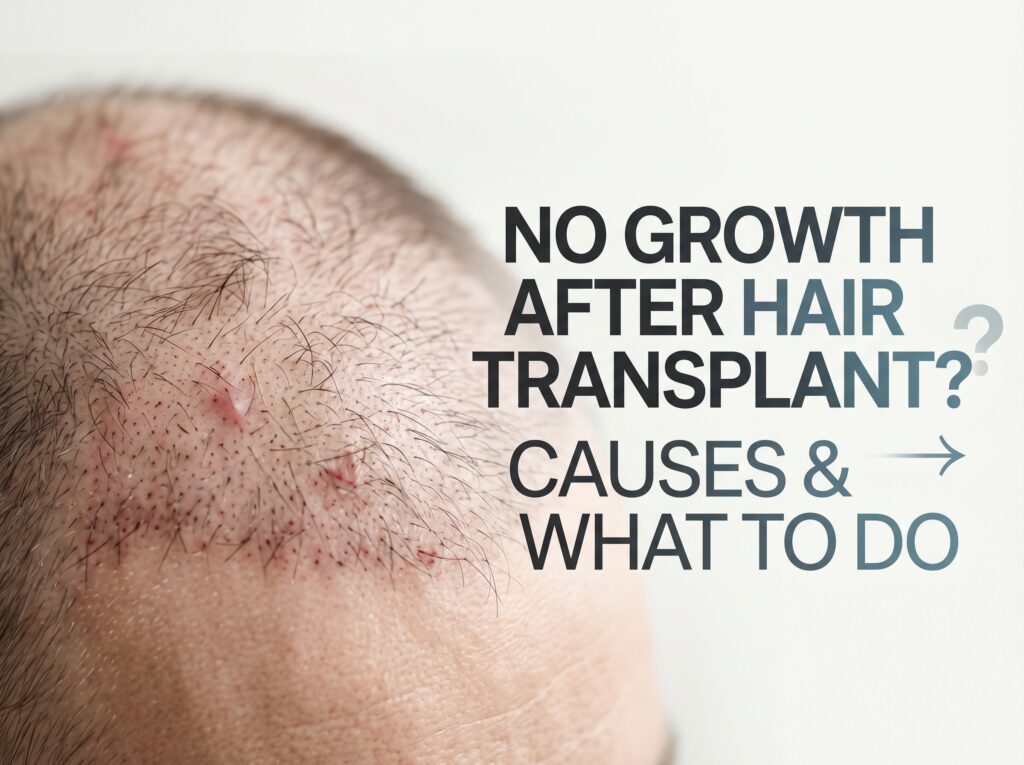
You expected to see new hair by now. Instead, the transplanted area looks the same — or worse — than it did weeks ago. The anxiety is real, and you are not alone. Concerns about slow or absent growth are among the most common questions patients bring to follow-up appointments. The good news: in most cases, what feels like failure is actually a normal part of the growth cycle. But sometimes delayed growth does signal a problem worth investigating. This guide covers what is normal, what is not, and what to do at every stage — based on the clinical experience of Dr. Abhishek Pilani and the qualified doctors across Assure Clinic’s 13 locations.
The Normal Hair Transplant Growth Timeline
Understanding the standard timeline prevents unnecessary panic. Hair transplant growth is not linear — it follows a biological cycle with predictable phases.
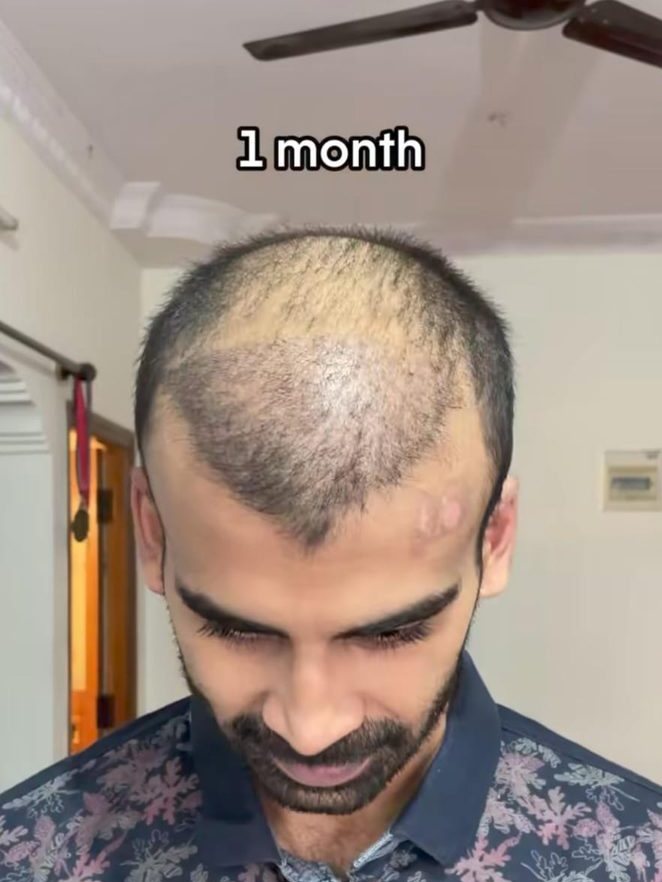
Month 1: Shedding and Shock Loss
Almost all transplanted hair falls out within the first 2 to 4 weeks. This is called shock loss, and it is completely normal. The grafts remain alive beneath the skin — only the visible shaft falls out.
Months 2 to 3: The Dormant Phase
Follicles enter a resting phase called telogen. Nothing visible happens on the surface, and many patients assume the procedure failed. It did not. The follicles are establishing blood supply connections beneath the skin.
Months 4 to 6: Early Growth Begins
Fine, wispy hairs start emerging — thinner and lighter than the final result. Growth is often uneven, with some areas sprouting earlier than others. Coverage is still incomplete.
Months 6 to 9: Visible Thickening
Hair shafts thicken, colour deepens, and coverage fills in across the transplanted zone. Patients who were worried at month 4 often feel significantly more optimistic by month 8.
Months 9 to 12: 80% of Final Result
Approximately 80% of transplanted hair has grown in and matured. Density is approaching its peak and styling becomes much easier.
Months 12 to 18: Full Maturity
The remaining 20% continues to fill in and thicken. Hair texture and calibre reach their final state. Judging a transplant before 12 months is premature, and judging it before 18 months is incomplete.
Key takeaway: Patience is critical. The biological timeline cannot be accelerated. UHDHT hair transplant technique
No Growth After 4 Months — Is It Normal?
Yes. At four months, you are still within the transition from the dormant phase to early growth. Many patients see zero visible hair at this stage, and that is well within the expected range.
Genetics. Some patients are simply late growers. Those with naturally slower hair growth cycles may not see visible results until month 5 or 6.
Transplant area. The crown tends to lag behind the hairline. If your transplant covered the crown, give it additional time before drawing conclusions.
Age and health. Younger patients with good circulation tend to see earlier growth. Those with chronic health conditions or nutritional gaps may experience a longer dormant phase.
When to be concerned: If you are past month 6 with absolutely no new hair — not even fine wispy growth — schedule a follow-up with your surgeon. Before month 6, patience is the right response.
If your first transplant did not deliver, here is how to plan a corrective procedure. Explore Assure Clinic’s corrective hair transplant, see your nearest flagship at best hair transplant in Mumbai, or check Dr. Abhishek Pilani.
Why Is My Hair Transplant Not Growing After 6 Months?
If you have passed the 6-month mark with little or no visible growth, several factors could be responsible.
Surgical Factors
Poor graft handling. Grafts exposed to drying or rough handling during extraction can suffer reduced survival rates. At Assure Clinic, qualified doctors perform every step of the procedure using the UHDHT technique at 60 to 80 grafts per cm², minimising the time grafts spend outside the body.
Incorrect placement depth or angle. Grafts placed too shallow may fail to establish blood supply. Grafts placed too deep can become trapped beneath the skin.
Infection during healing. Even mild post-surgical infection can damage follicles. Signs include prolonged redness, pus, or unusual pain beyond the first week.
Patient-Related Factors
Smoking. Nicotine constricts blood vessels and reduces oxygen delivery to the scalp. Smokers consistently show lower graft survival rates.
Nutritional deficiencies. Iron, zinc, vitamin D, and biotin all play roles in hair growth. A blood panel can identify gaps quickly.
Stress. Chronic stress triggers telogen effluvium, pushing follicles into premature resting and delaying transplant growth.
Underlying medical conditions. Thyroid disorders, autoimmune conditions, and hormonal imbalances can all interfere with hair growth.
Non-compliance with post-operative care. Skipping medications, sun exposure too early, picking at scabs, or returning to strenuous exercise before clearance can compromise graft survival. how to sleep after hair transplant
Hair Transplant Not Growing on One Side — What to Do
Asymmetric growth is more common than most patients expect. Before assuming something went wrong, consider these factors.
Blood supply varies across the scalp. The temporal region, crown, and frontal hairline each have different vascular networks. One side may simply have better circulation than the other, causing earlier growth.
Growth rates differ between zones. The central hairline often grows before the temples. This creates the appearance of one-sided growth when the difference is actually zonal.
Sleeping habits. Consistently sleeping on one side during recovery can reduce blood flow to that area or cause mild graft trauma.
When asymmetry is a real concern: If one side remains completely bare while the other shows strong growth at 9 to 12 months, there may be a localised graft survival issue. Document with photographs and consult your surgeon.
What to do now: Take monthly comparison photos from consistent angles. In most cases, the lagging side catches up between months 8 and 12. lifestyle after hair transplant
Patchy Growth After Hair Transplant — Will It Fill In?
You expected uniform density, and instead the results look scattered. Here is what is actually happening.
Follicles grow at different rates. Individual follicles enter their growth phase at different times, creating natural patchiness that gradually fills in. By month 9 to 12, most patients see significant improvement in uniformity.
Shock loss in native hair. The procedure can cause temporary shedding of existing hair around the transplanted area. This creates the illusion of patchy results when the cause is temporary loss of your original hair, not failure of the new grafts. Native hair typically regrows within 3 to 6 months.
Some areas are harder to cover. The vertex and temporal points are notoriously slow to fill in. If your patches are concentrated in these zones, additional patience is needed.
When patchiness indicates a problem: If distinct bare patches persist at 12 months while surrounding zones show full growth, there may have been localised graft failure from infection, poor blood supply, or mechanical damage. A follow-up evaluation can determine whether a touch-up session is needed.
Thin Hair Growth After Transplant — Will It Thicken?
If your transplanted hair has grown in but looks thin and wispy, the answer is almost always yes — it will thicken.
Transplanted hair starts thin. The first hair to emerge is typically finer and lighter than the final result. Each growth cycle produces a thicker shaft. Most patients see meaningful thickening between months 8 and 14.
Multiple growth cycles build density. It takes 2 to 3 cycles — spanning 12 to 18 months — for transplanted hair to reach its mature calibre. The hair you see at month 5 is not representative of the final outcome.
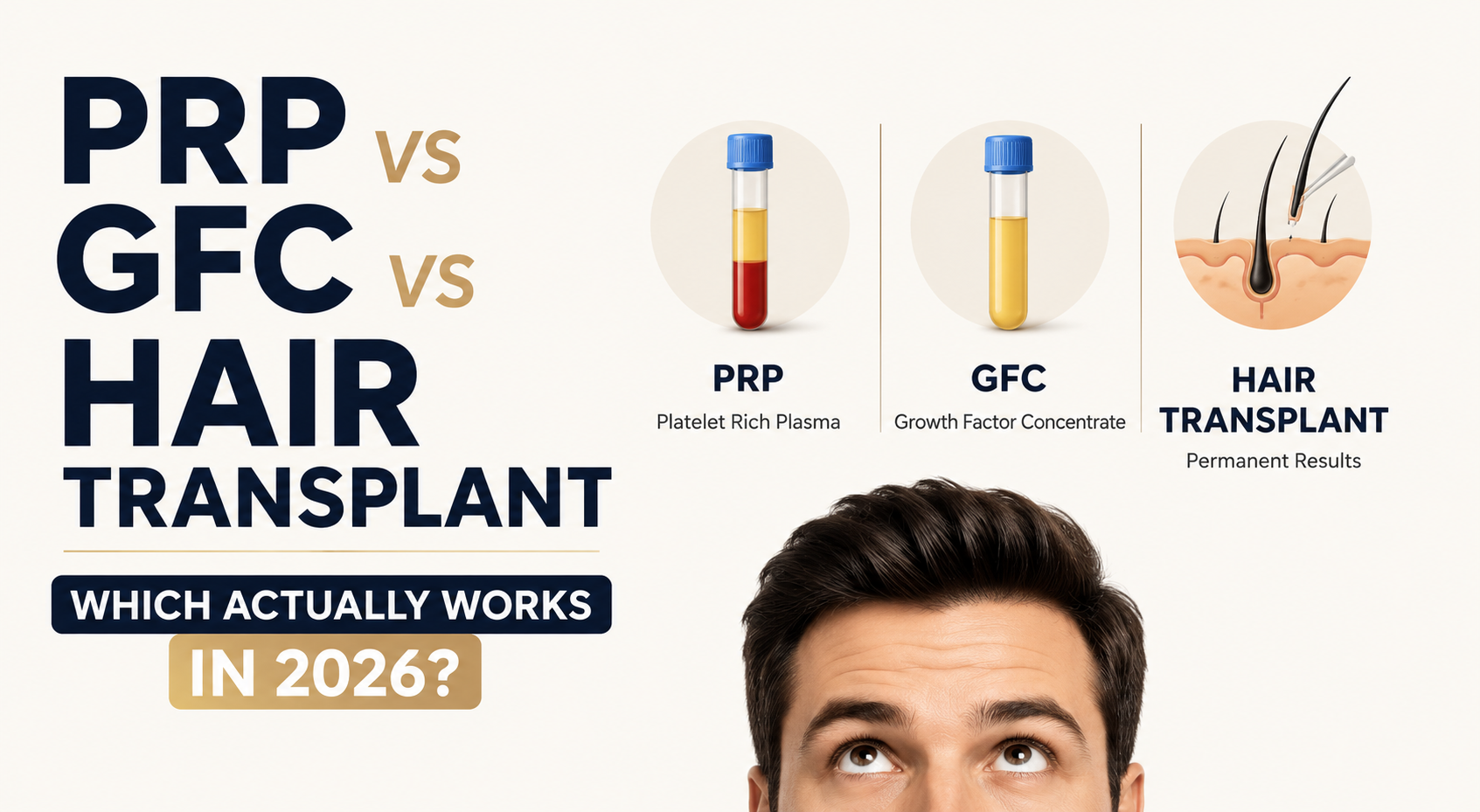
Supportive treatments help. PRP (platelet-rich plasma) and GFC (growth factor concentrate) therapy deliver concentrated growth signals to the scalp, supporting follicle strength and thickness. At Assure Clinic, these sessions are part of the post-transplant care protocol.
Minoxidil supports the process. Topical minoxidil increases blood flow to the scalp and can accelerate thickening of both transplanted and native hair when prescribed by your doctor.
What to Do If Growth Is Genuinely Poor
If you have waited at least 9 to 12 months and growth remains significantly below expectations, it is time to take action rather than continue waiting.
Consult your surgeon. Bring timeline photographs from consistent angles and lighting. Objective visual data is far more useful than memory.
Get a medical evaluation. Blood tests for thyroid function, iron, vitamin D, zinc, and hormonal levels can reveal underlying conditions. Treating these can sometimes restart stalled follicles.
Consider supportive therapies. PRP and GFC sessions can stimulate dormant follicles. Dr. Abhishek Pilani recommends 3 to 4 sessions spaced 4 to 6 weeks apart for patients with suboptimal growth.
Wait before considering revision. A second session may be appropriate if graft survival was genuinely poor, but this decision should not be made before 12 months — ideally 15 to 18 months. Not every case requires revision; medication adjustments, lifestyle changes, or supportive therapies may be sufficient.
What Failed Growth Looks Like From the Patient’s Side
Everything above describes the clinical picture. This is what it feels like to live through it.
Allon Reubens had four hair transplant procedures. The first two, done elsewhere, went well: a good hairline, growth that came in evenly, an experience he still describes positively. The third, also elsewhere, did not grow. He came to us for the fourth.

His account of what went wrong points at the mechanism this page keeps returning to. “The doctor did not preserve the follicles well and he did a blunder,” he says. Grafts are living tissue for the window between extraction and placement, and how they are handled in that window decides whether they grow. It is not visible to the patient, it is not in the brochure, and it is the single most common reason a technically completed procedure produces nothing.
What he says next is the part worth sitting with. “Money is not important, but my donor area, I lost a lot of donor area. It was a big mistake trusting some brand who is not experts.”
That is the real cost of a failed transplant, and it is why this page argues so hard against rushing into a revision. A procedure that fails still spends donor grafts, and the donor zone does not regenerate. Every failed attempt narrows what any future surgeon can do for you. Waiting twelve to eighteen months before deciding is not caution for its own sake. It is protecting the only supply you have.
You can watch the full conversation on the Beyond The Mirror series, where patients talk through these decisions unscripted.
How Assure Clinic Supports Post-Transplant Growth
At Assure Clinic, the procedure is the beginning of the patient journey, not the end. Dr. Abhishek Pilani has built a post-operative protocol designed to maximise graft survival and maturation.
Structured follow-ups. Scheduled check-ins at 1 week, 1 month, 3 months, 6 months, and 12 months post-surgery allow qualified doctors to catch issues early.
PRP and GFC therapy. Post-transplant PRP and GFC sessions deliver concentrated growth factors to the scalp, supporting follicle health during maturation.
Nutritional guidance. Patients receive dietary and supplementation recommendations covering protein, iron, zinc, vitamin D, and biotin.
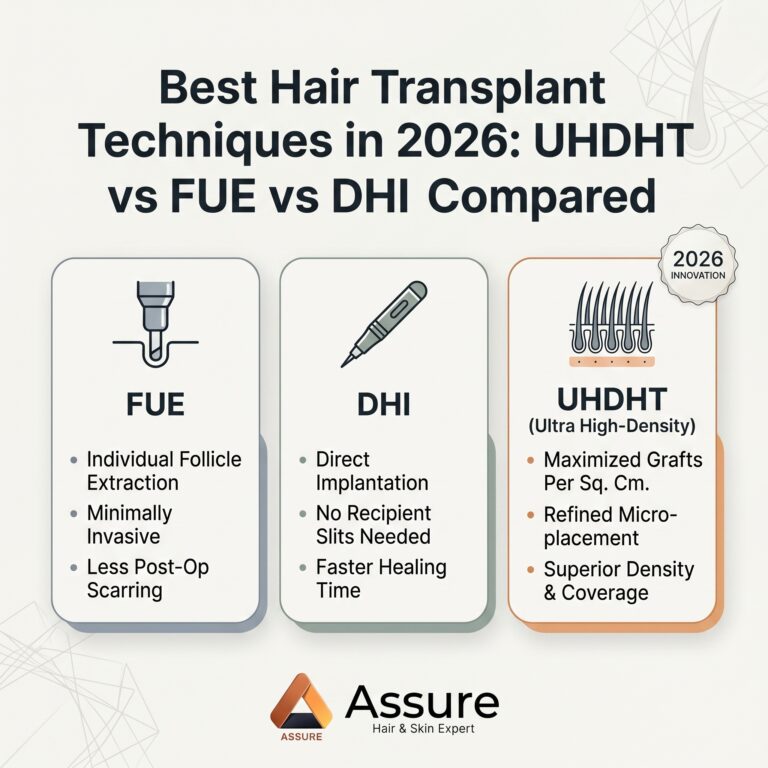
UHDHT technique. Assure Clinic’s UHDHT technique places 60 to 80 grafts per cm², performed entirely by qualified doctors — never technicians. This precision is fundamental to high survival rates.
13 locations. With 12 clinics across India and 1 in Dubai, patients can access follow-up care without long-distance travel. hair transplant options
Considering a hair transplant?
Assure Clinic has performed 20,000+ procedures with high graft survival, led by Dr. Abhishek Pilani across 13 locations in India and Dubai.
Considering treatment options?
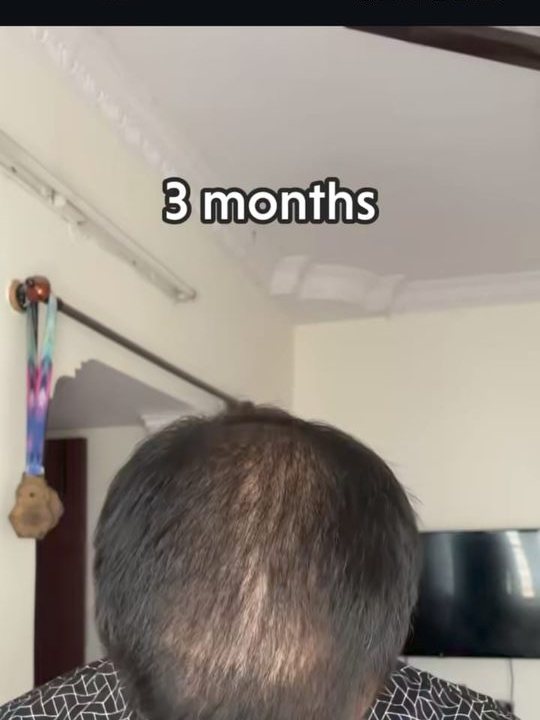
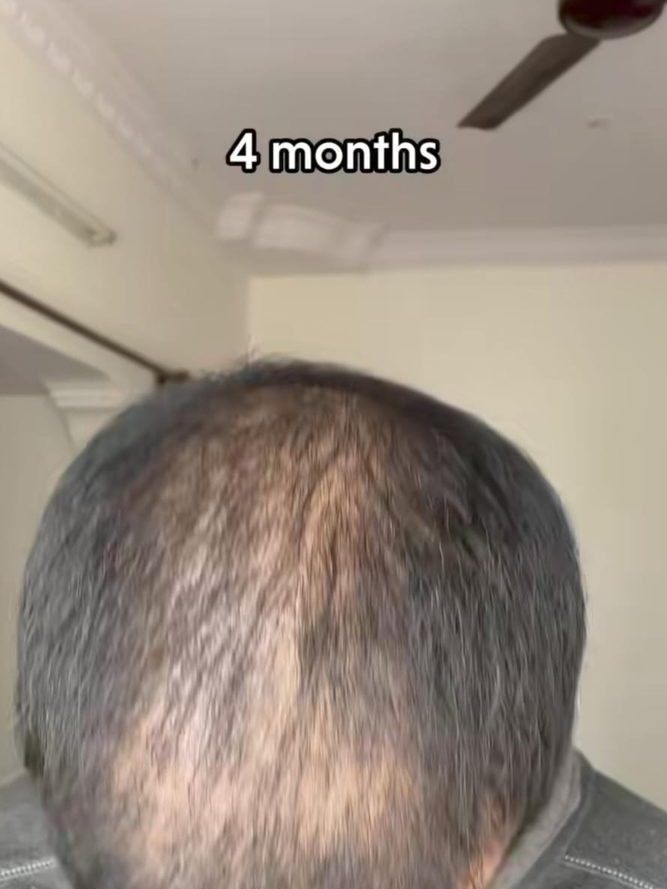
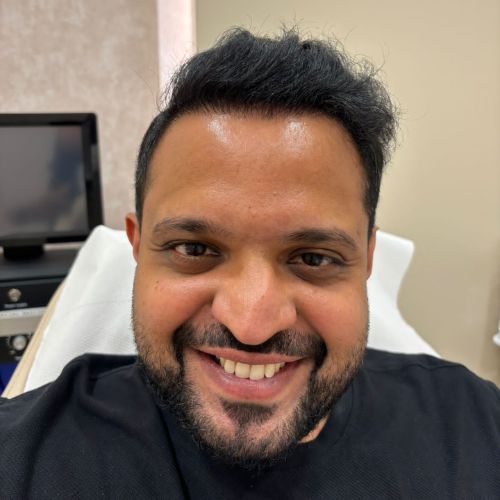
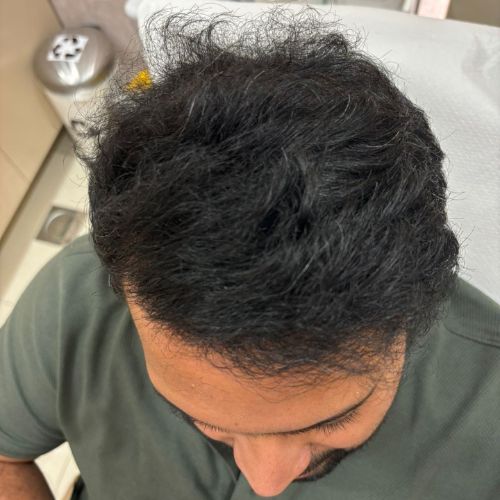
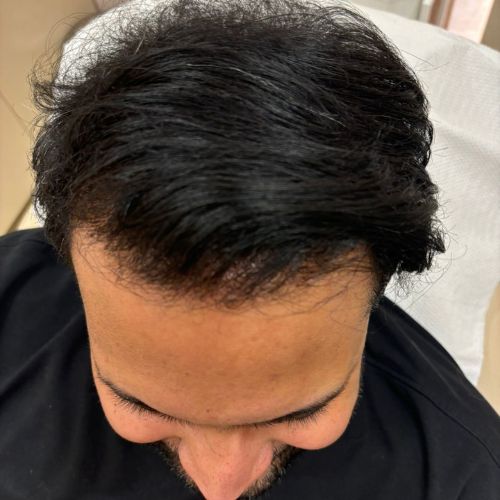
Worried it is not growing? This is what each month actually looks like
Real Assure Clinic patients, photographed through recovery and published with written consent. Tap any month to see that patient’s full timeline.
Frequently Asked Questions
What is the minimum time to see hair transplant results?
Most patients see fine new hair between months 4 and 6, but these early results are thin and incomplete. Meaningful results appear between months 6 and 9, with full maturity at 12 to 18 months. Any assessment before 12 months is premature.
Can PRP help if my transplant is not growing?
PRP therapy can stimulate dormant follicles and improve the thickness of emerging hair by delivering concentrated growth factors to the scalp. It is not a guarantee of reversing poor graft survival, but it is a valuable support tool. At Assure Clinic, results are typically evaluated after 3 to 4 sessions.
Should I take finasteride to help transplant growth?
Finasteride blocks DHT, the hormone behind androgenetic hair loss, and can preserve existing native hair while transplanted hair matures. It does not directly accelerate transplant growth, but it prevents further thinning of surrounding hair. Whether finasteride is appropriate depends on your medical history and should only be decided with your doctor.
What if there is no growth after 12 months?
A thorough evaluation is needed — scalp examination, blood tests for nutritional and hormonal factors, and a review of surgical records. In rare cases of widespread graft failure, a revision procedure may be considered. Dr. Abhishek Pilani recommends an in-person assessment to determine the cause and the best path forward.
Does smoking affect hair transplant growth?
Yes. Nicotine constricts blood vessels, reducing the oxygen and nutrients transplanted follicles need to survive. Smokers experience lower graft survival rates and delayed growth. Patients at Assure Clinic are advised to stop smoking at least 2 weeks before and 4 weeks after the procedure — quitting entirely produces the best results.
Take the Next Step
If you are concerned about your hair transplant growth — whether at 4 months, 6 months, or beyond — the most productive thing you can do is get an expert evaluation. Every case is different, and what feels alarming may be entirely normal for your specific timeline. At Assure Clinic, Dr. Abhishek Pilani and a team of qualified doctors across 13 locations are available to review your progress, identify any issues, and recommend the right path forward. Book a follow-up consultation to get clarity and a personalised plan for your results.