Every result is real. Every story is verified. See how patients from different backgrounds, ages, and cities transformed their confidence with hair transplant at Assure Clinic.
Most galleries show two photos: a before, and a polished after. That skips the part patients actually worry about — the shedding phase at month one, and the patchy middle months when it looks like nothing is working. These 13 patients were photographed at every stage.
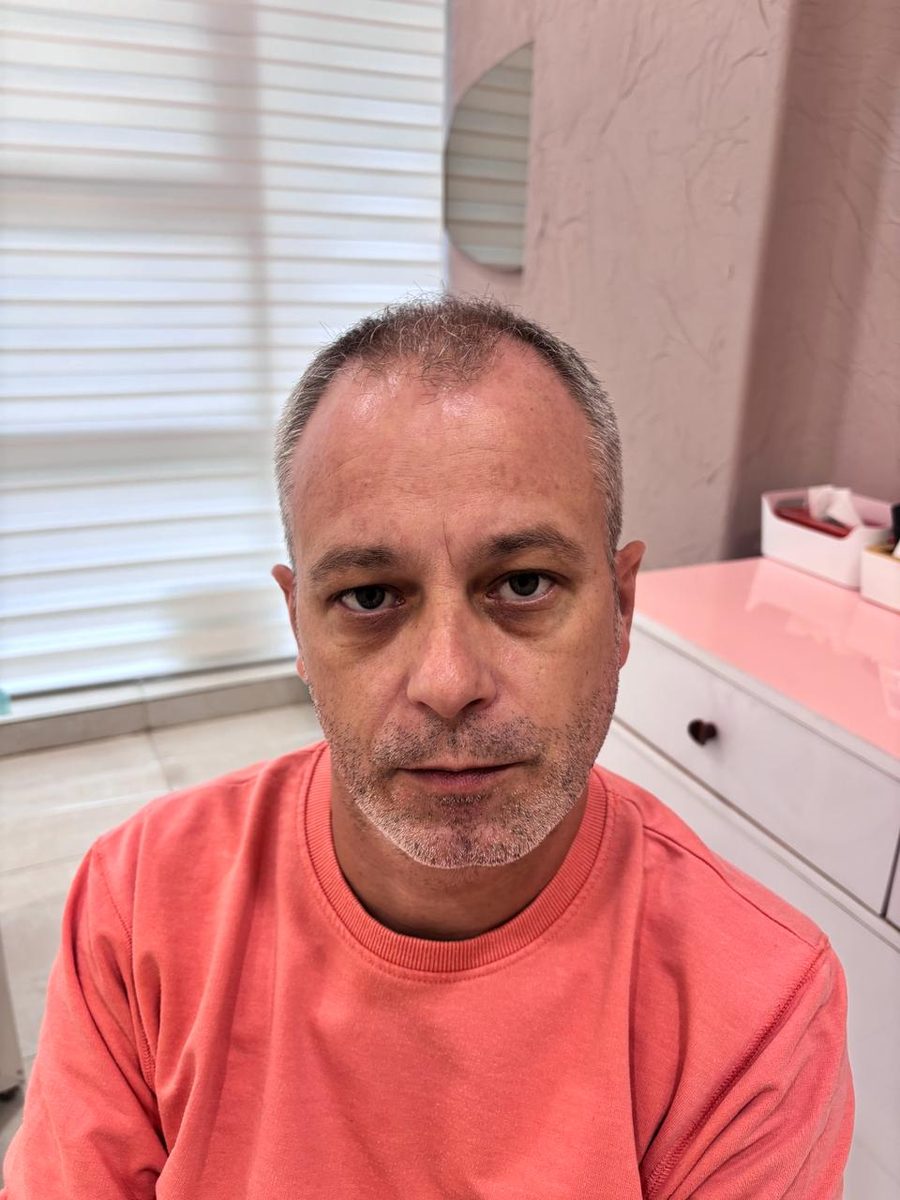
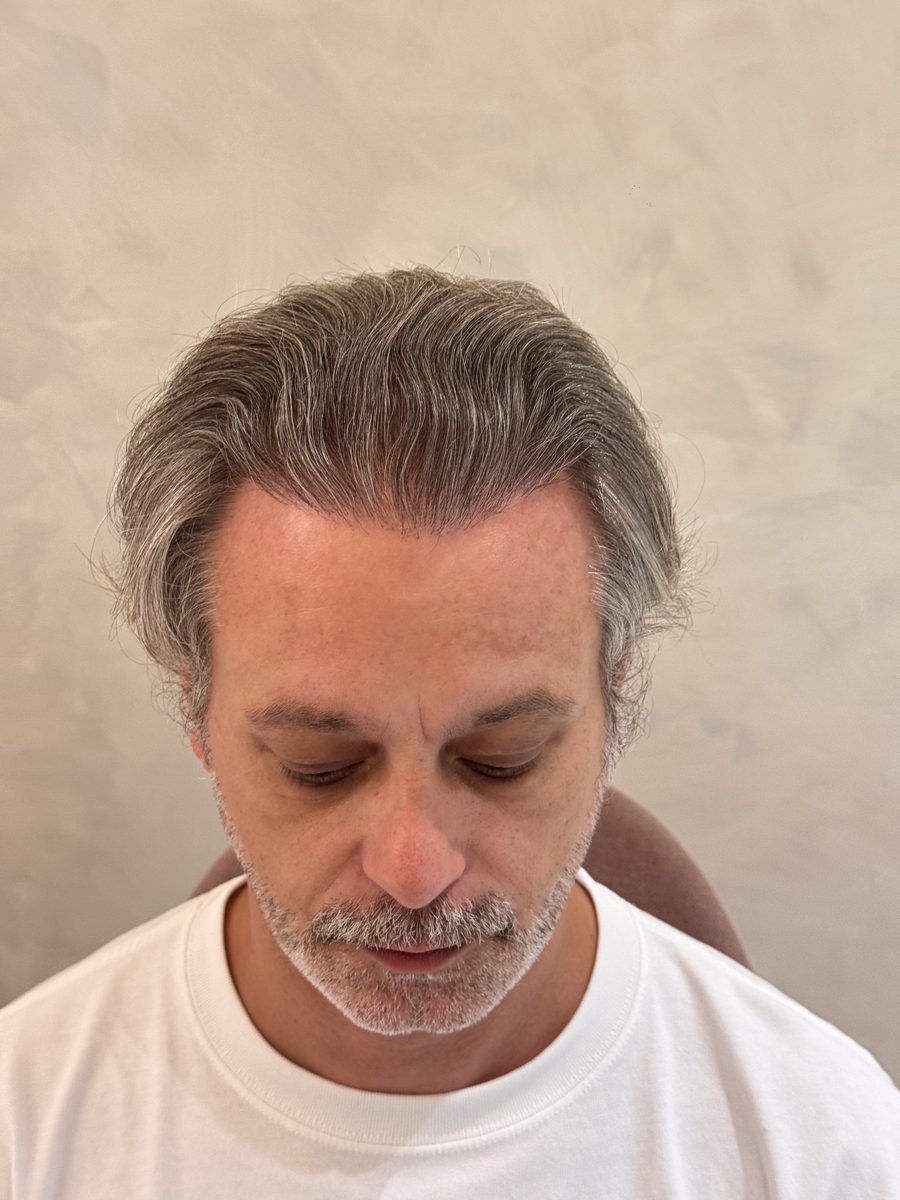
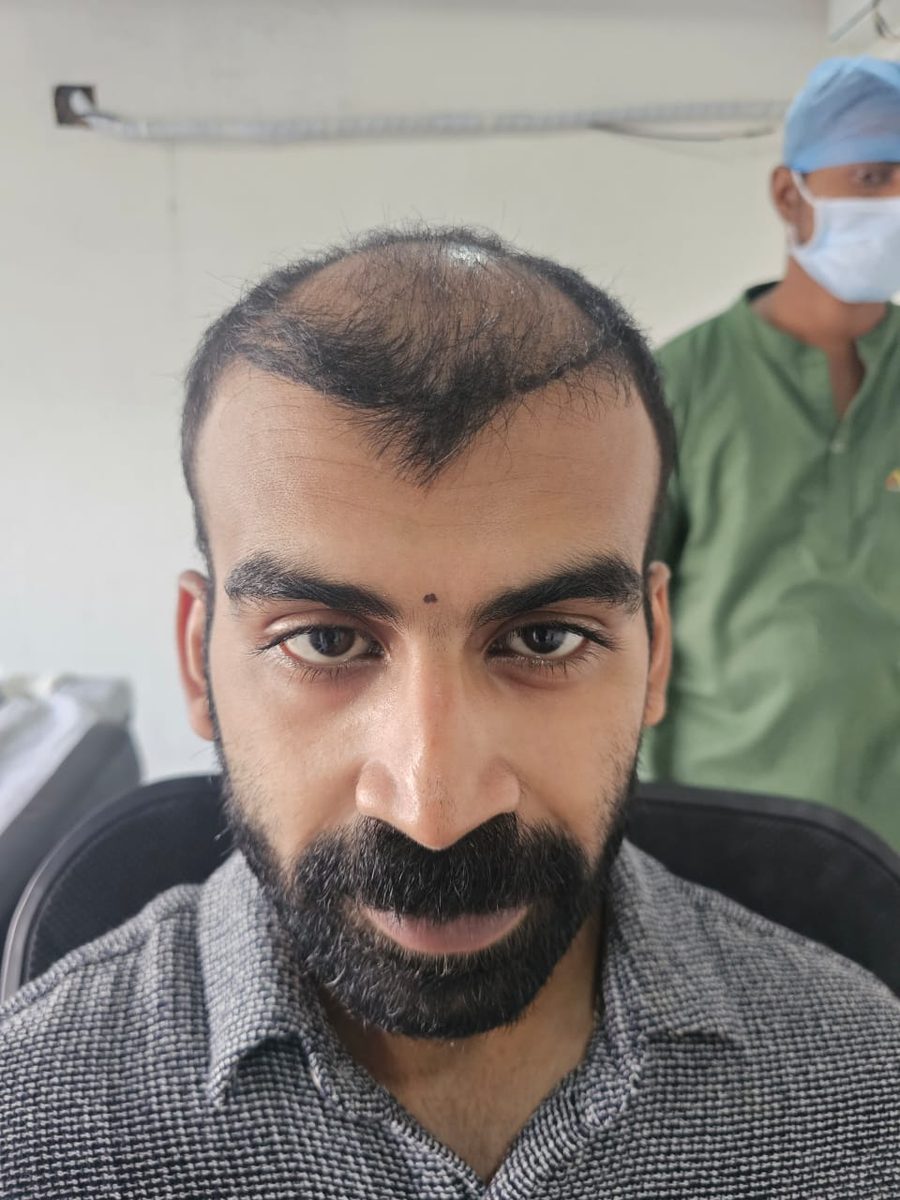

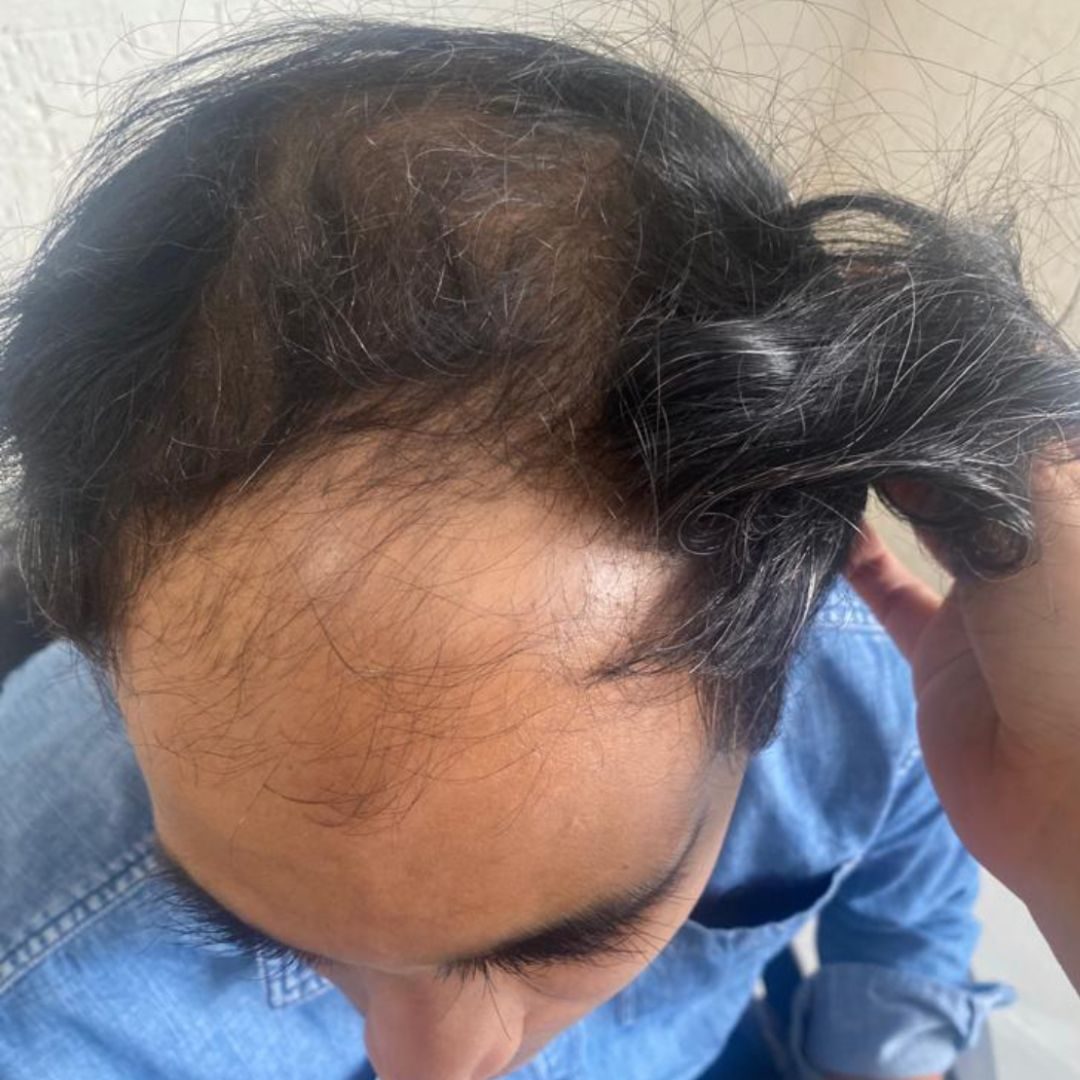

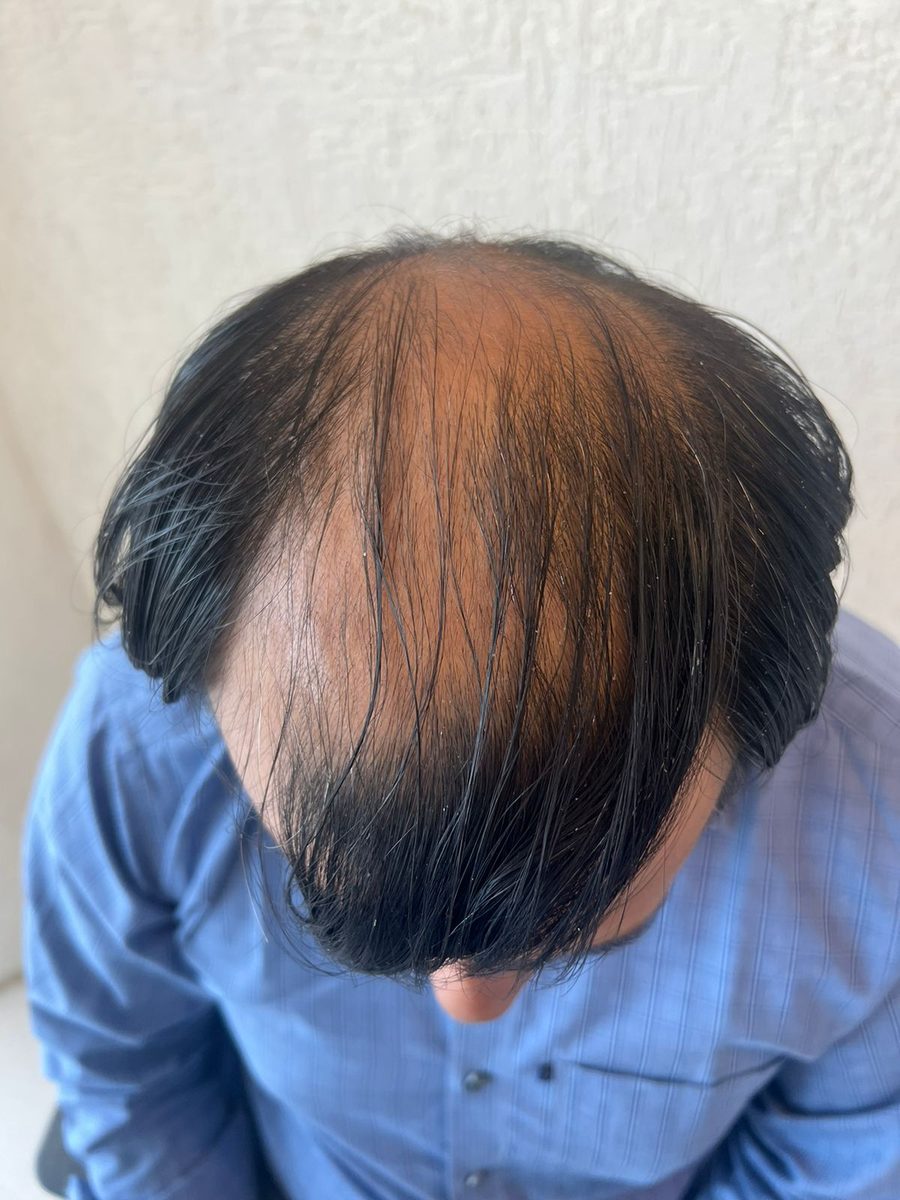
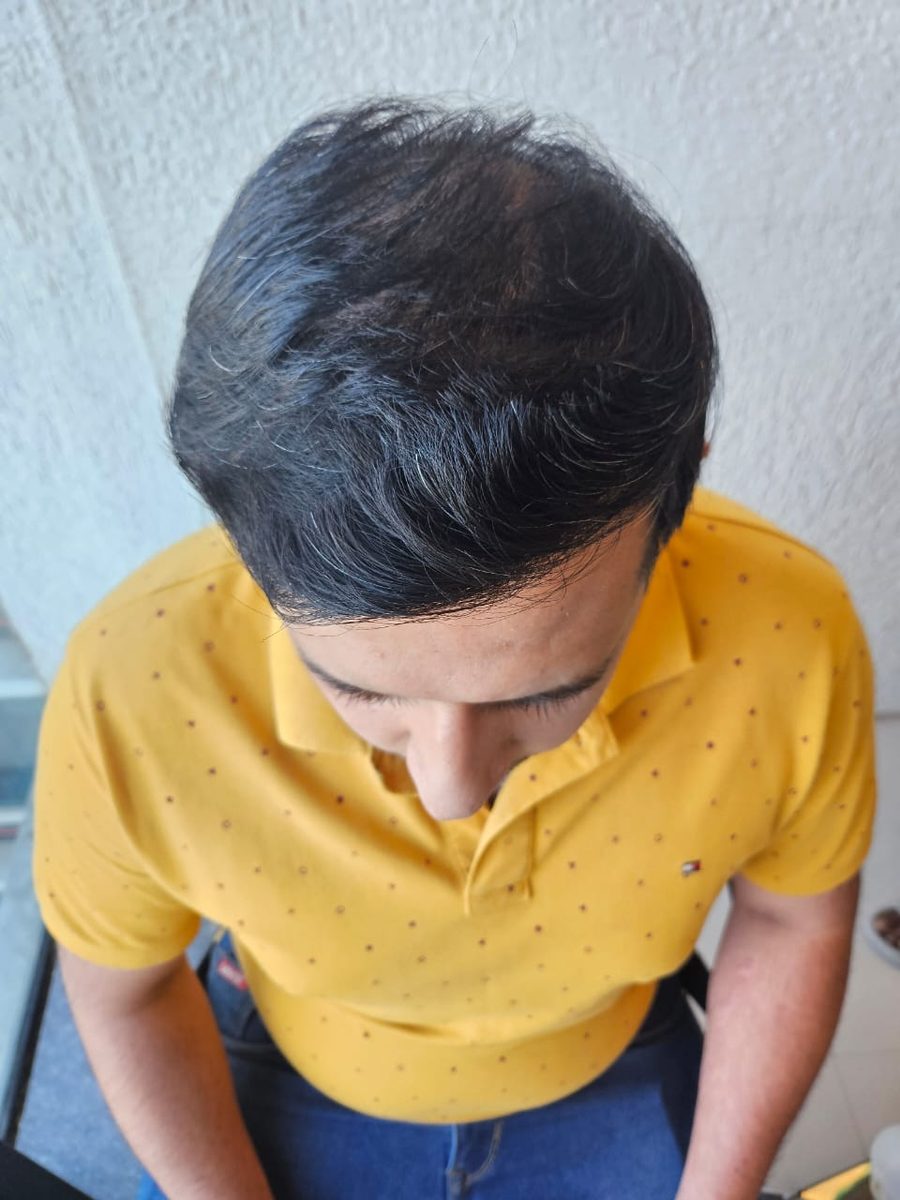
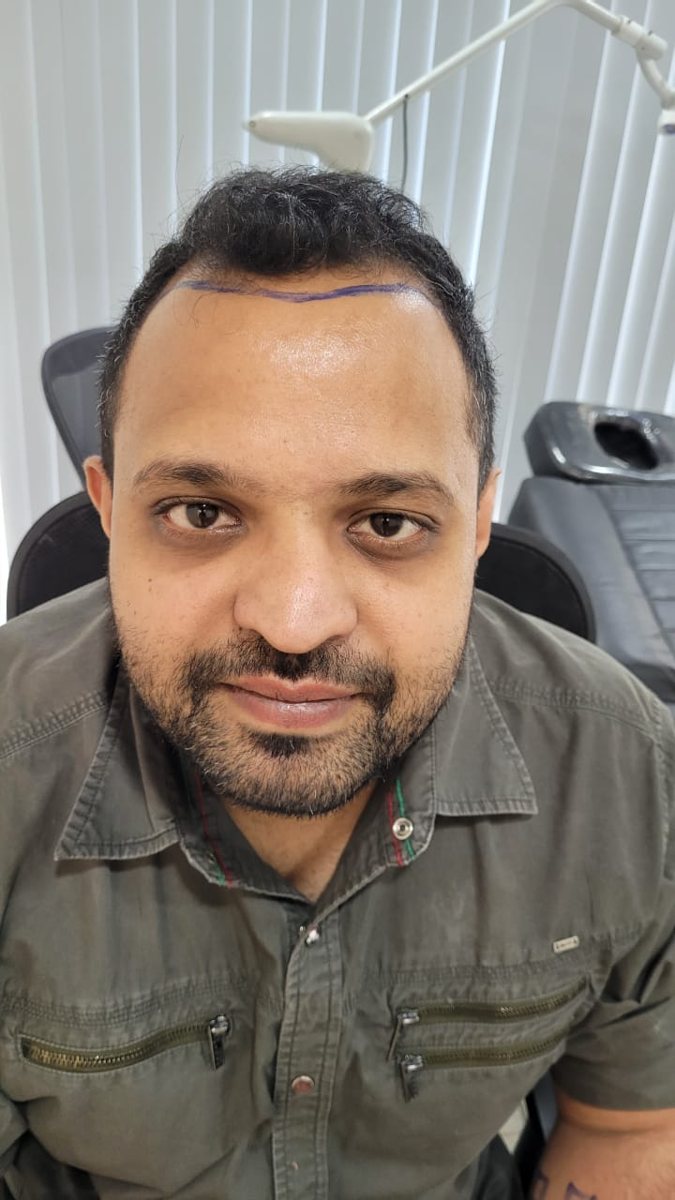
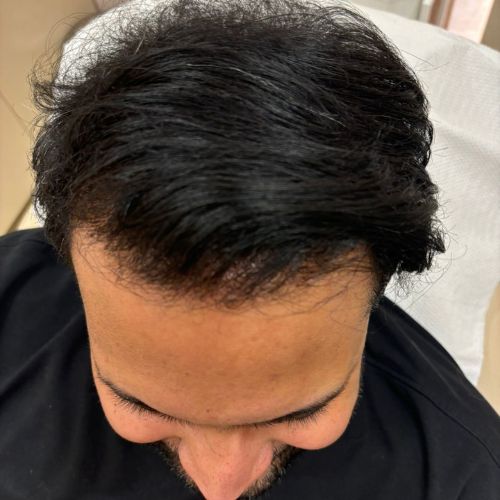
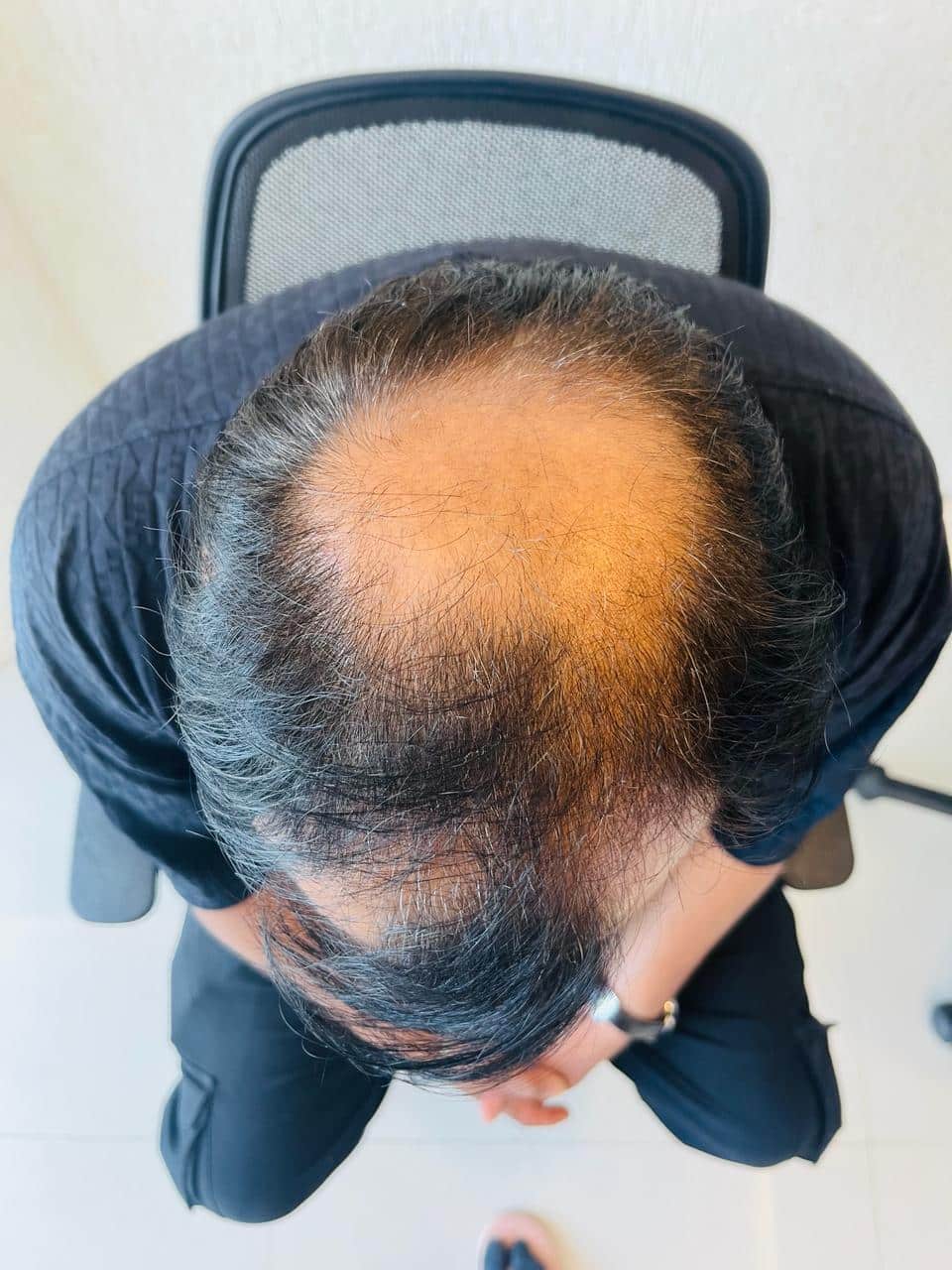

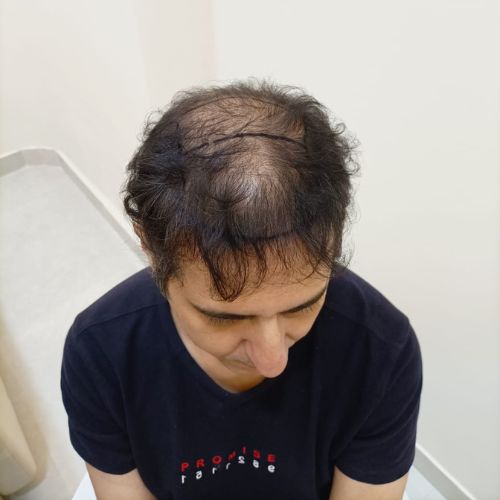
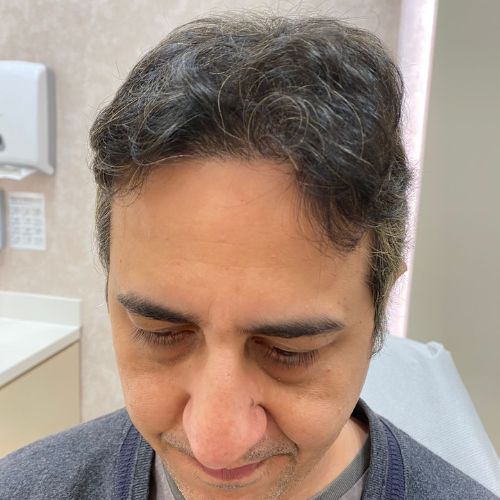
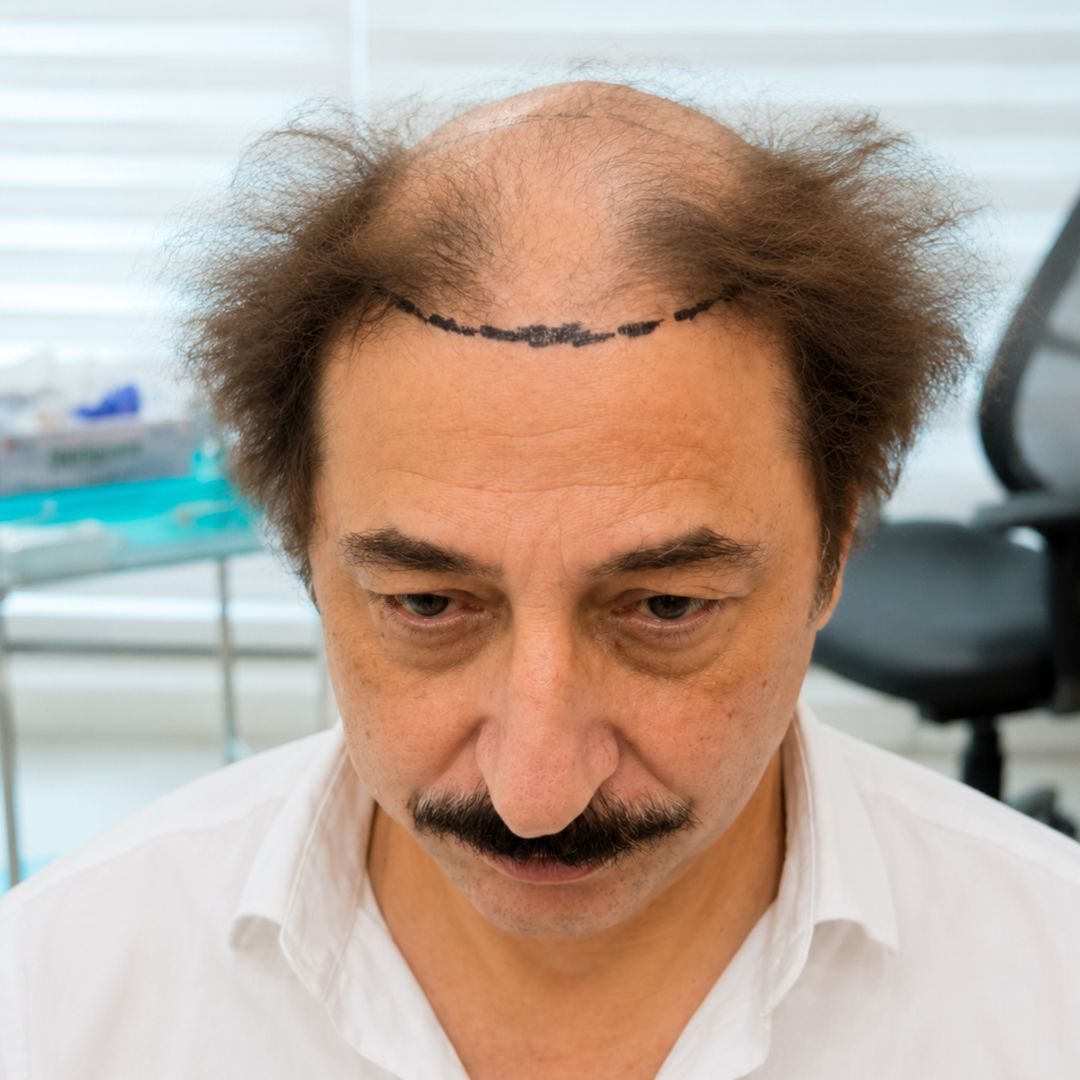
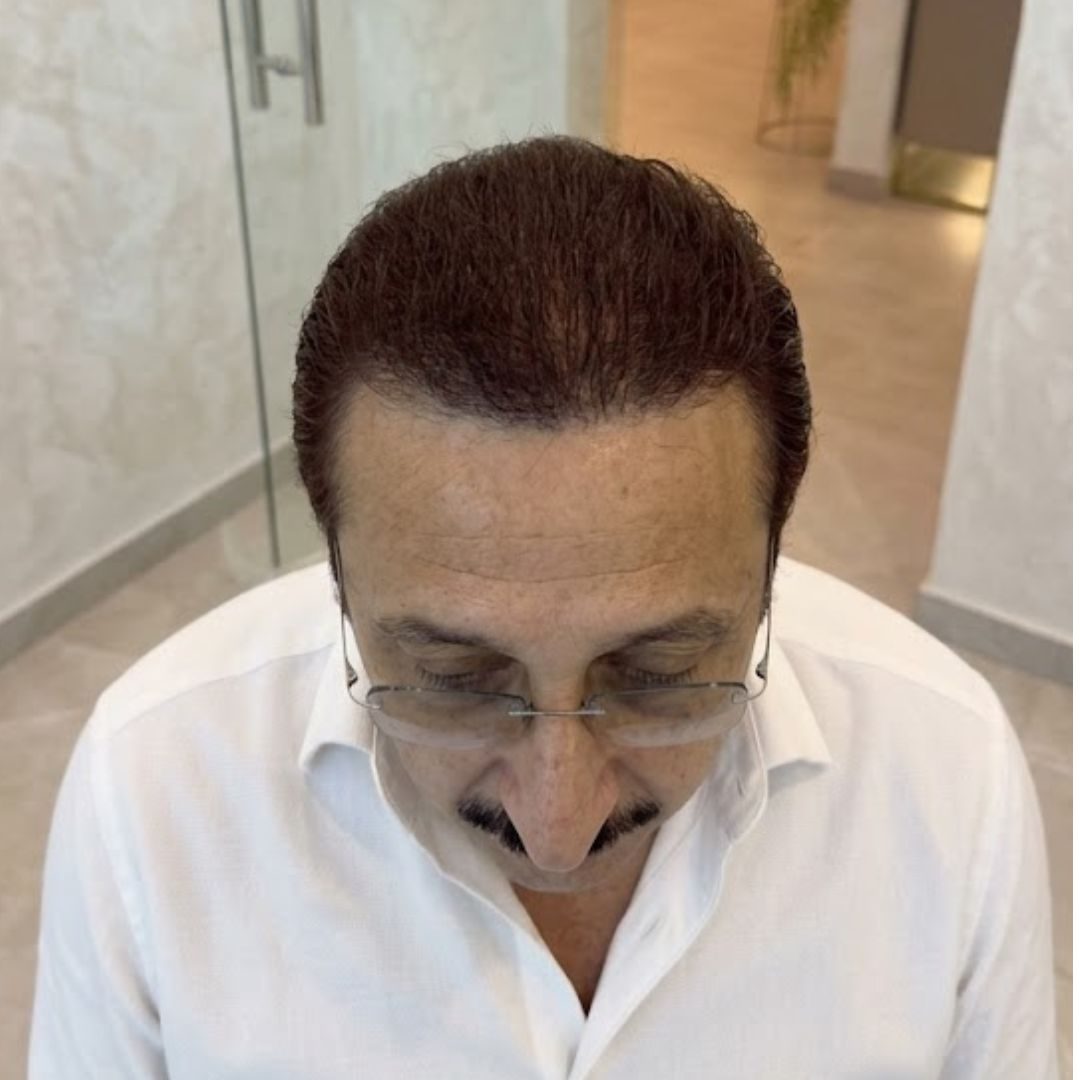
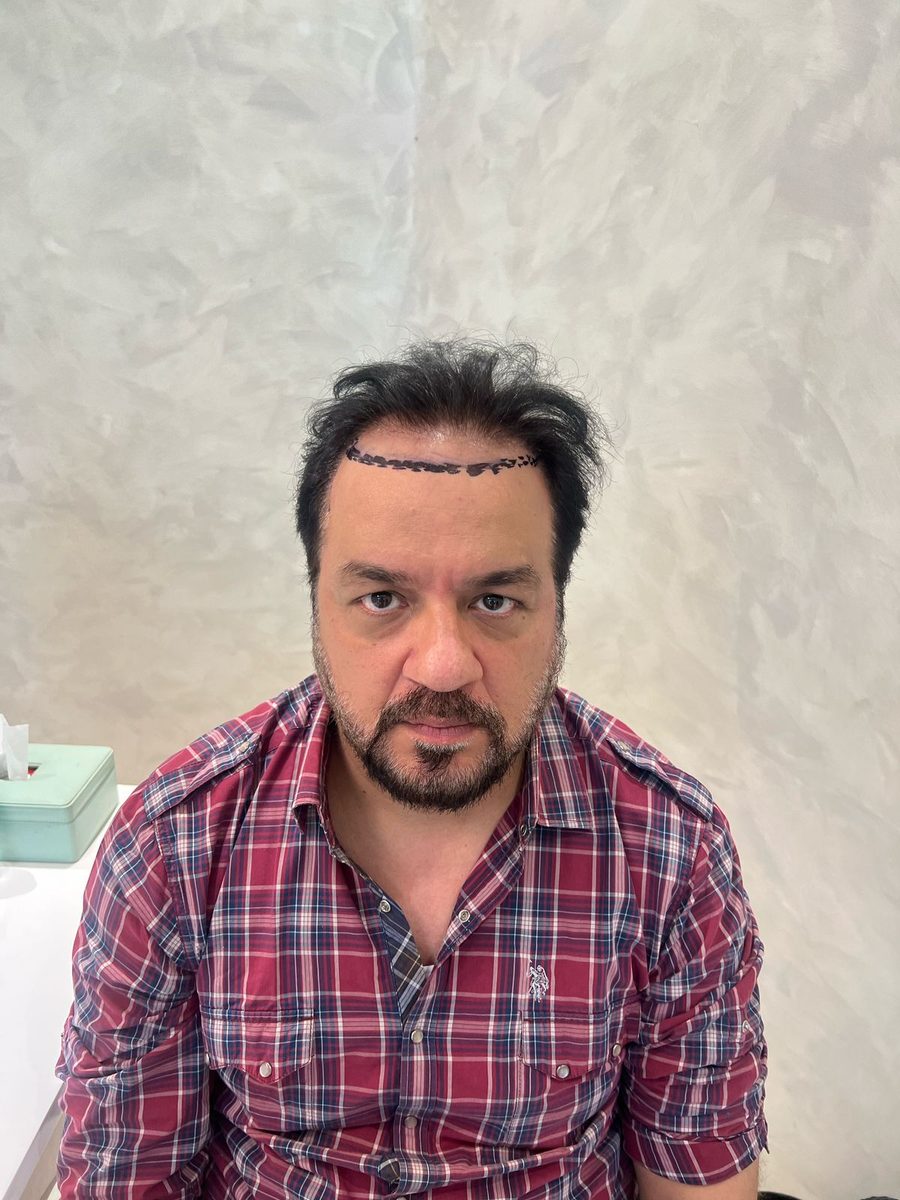

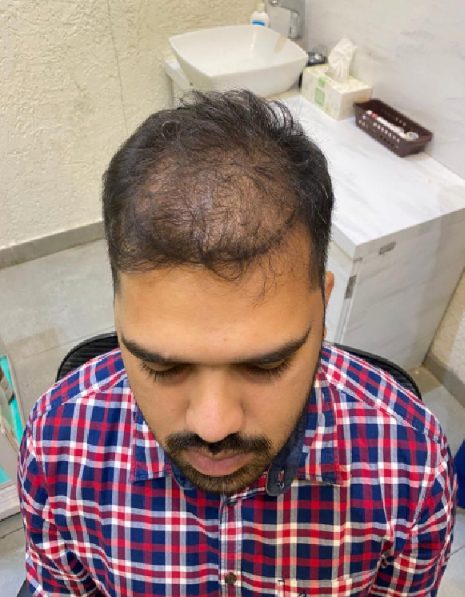
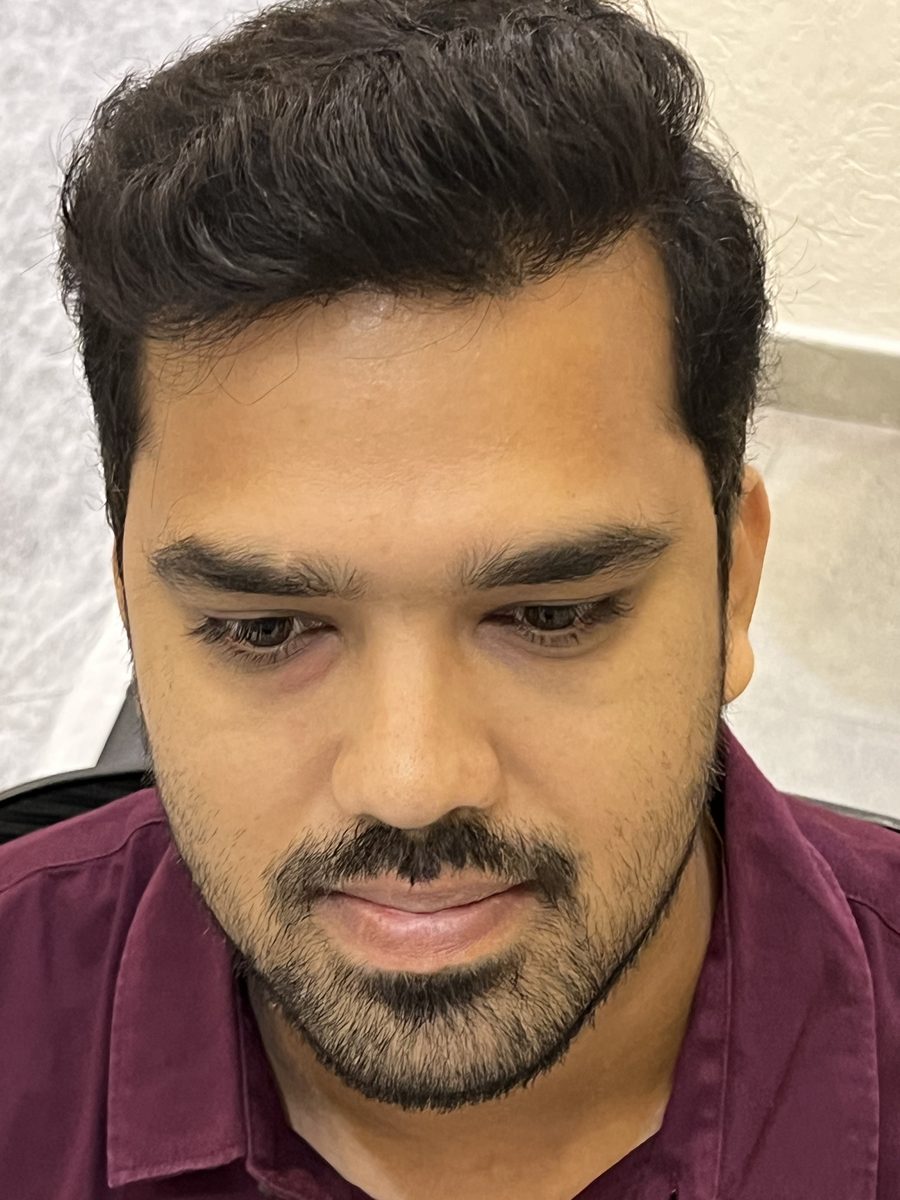
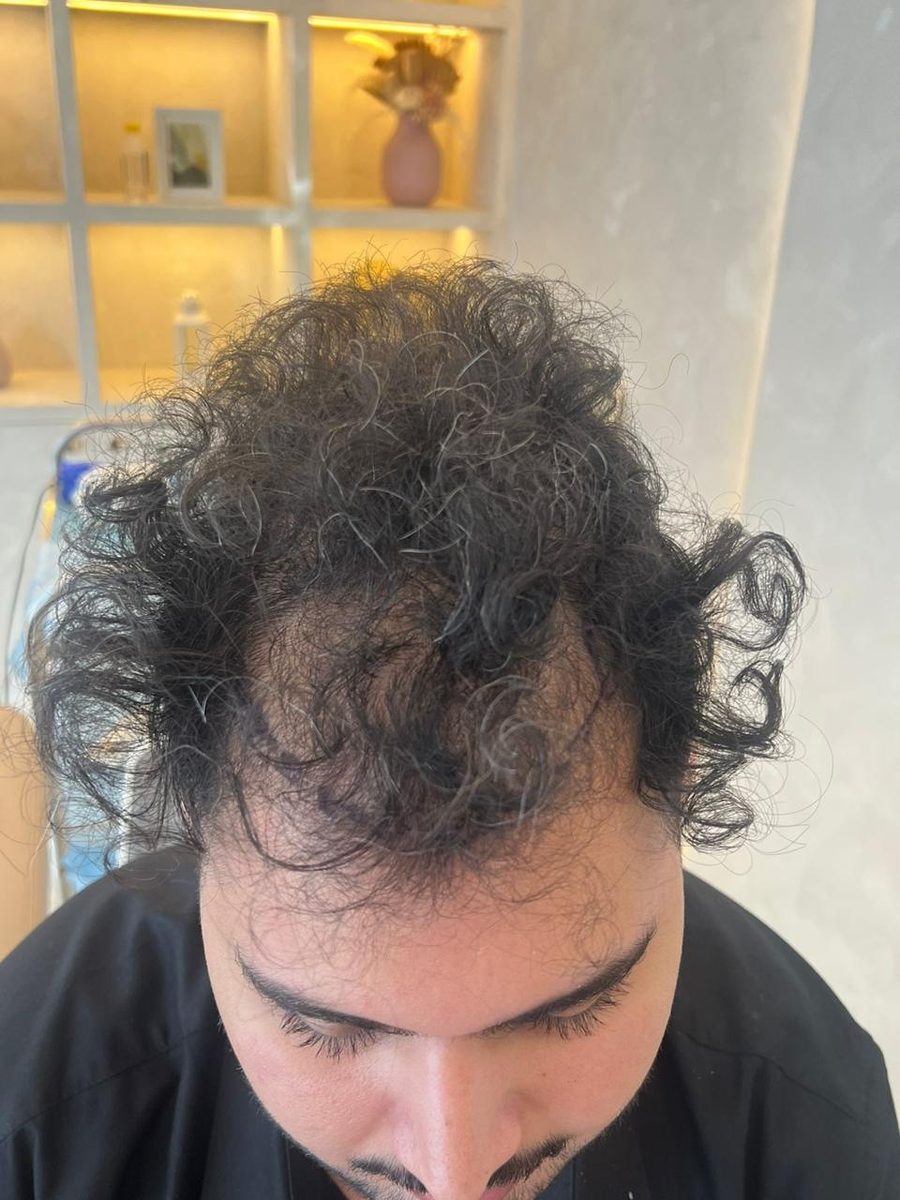
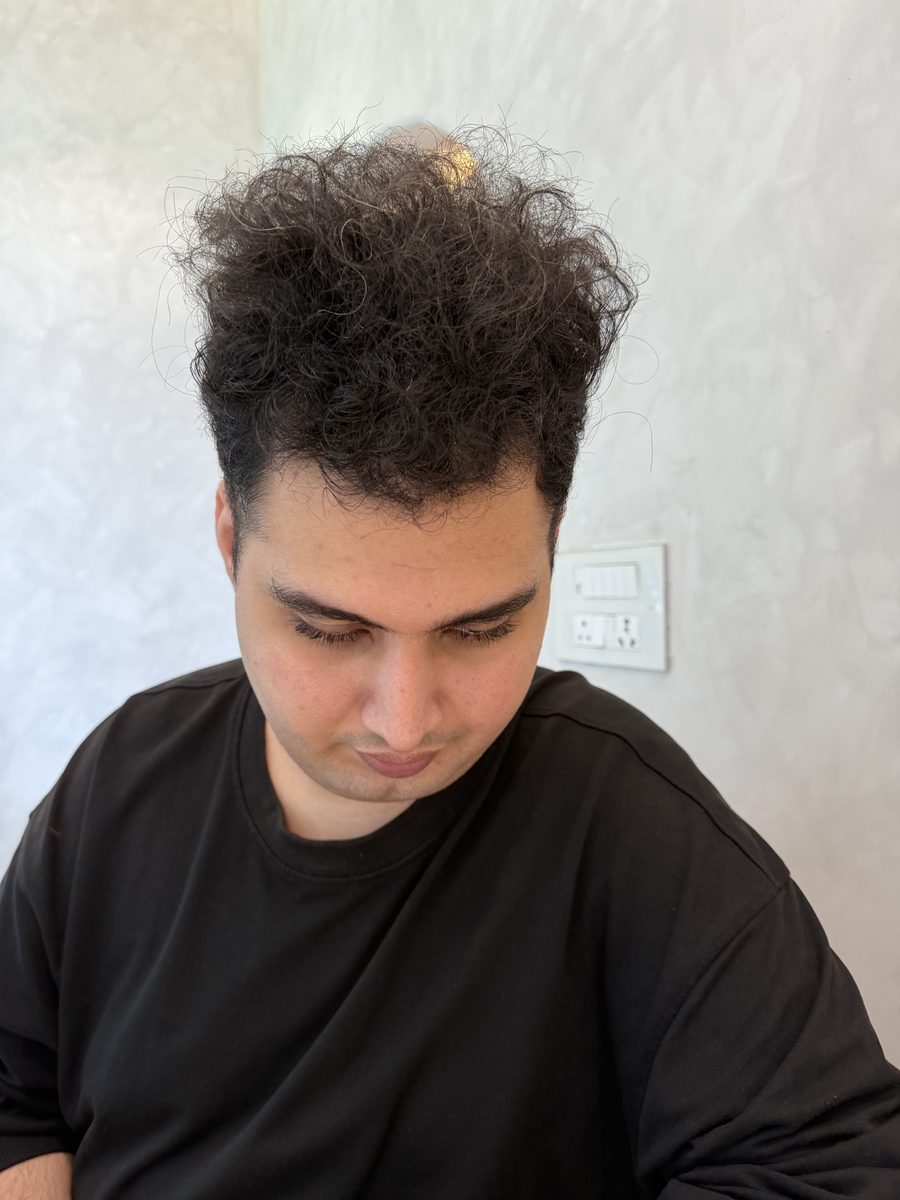
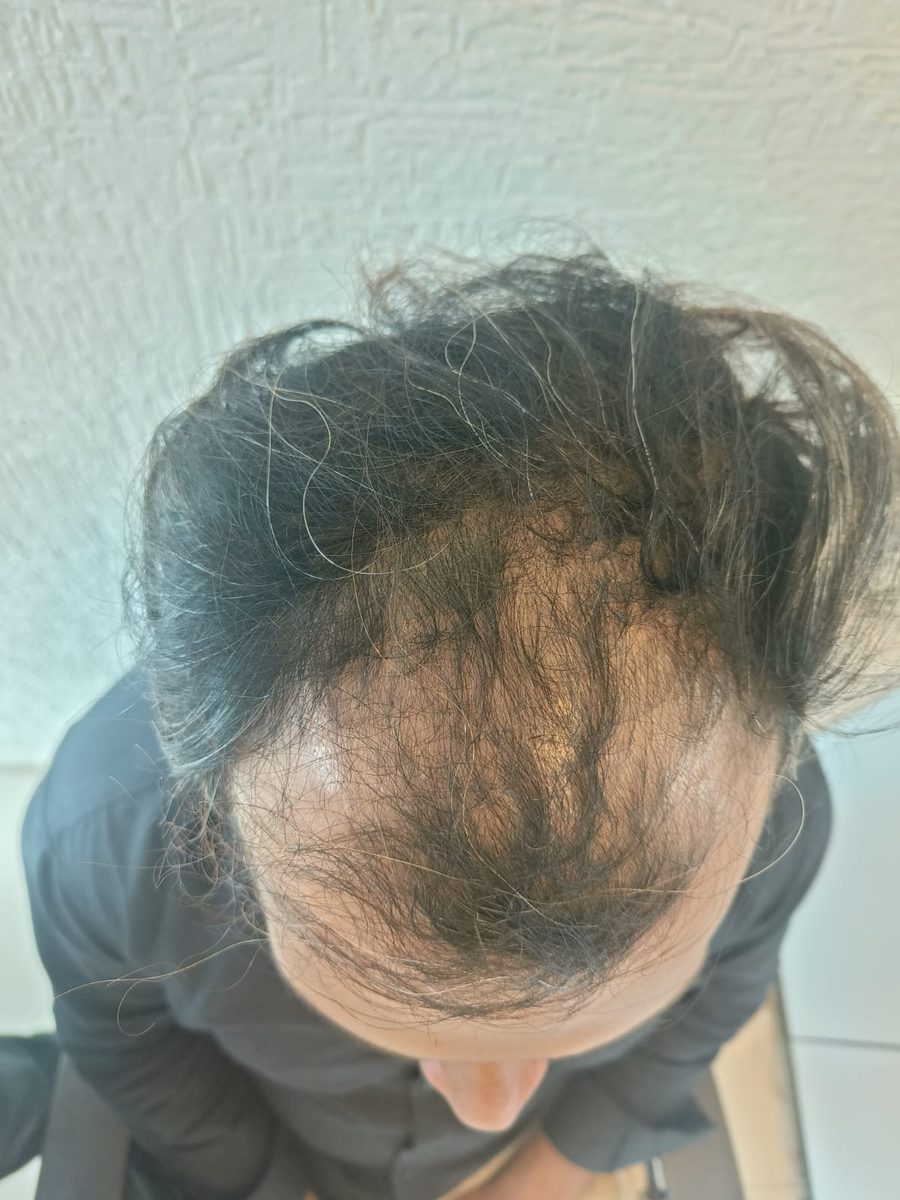
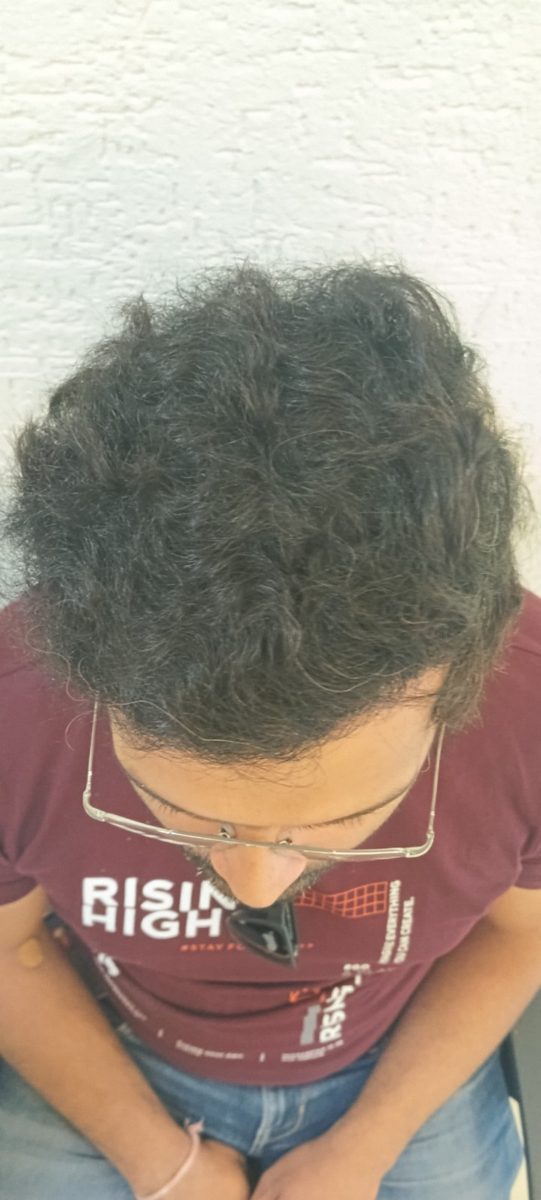
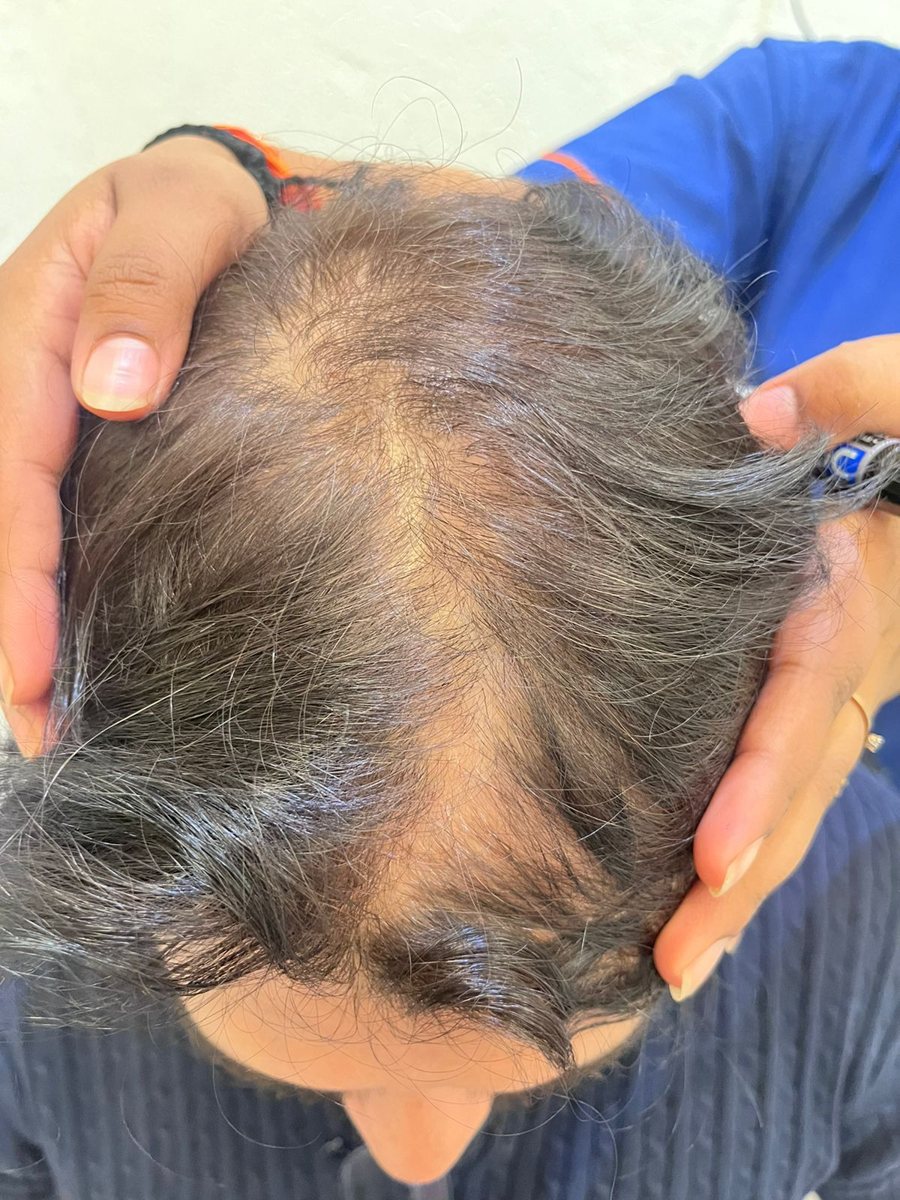
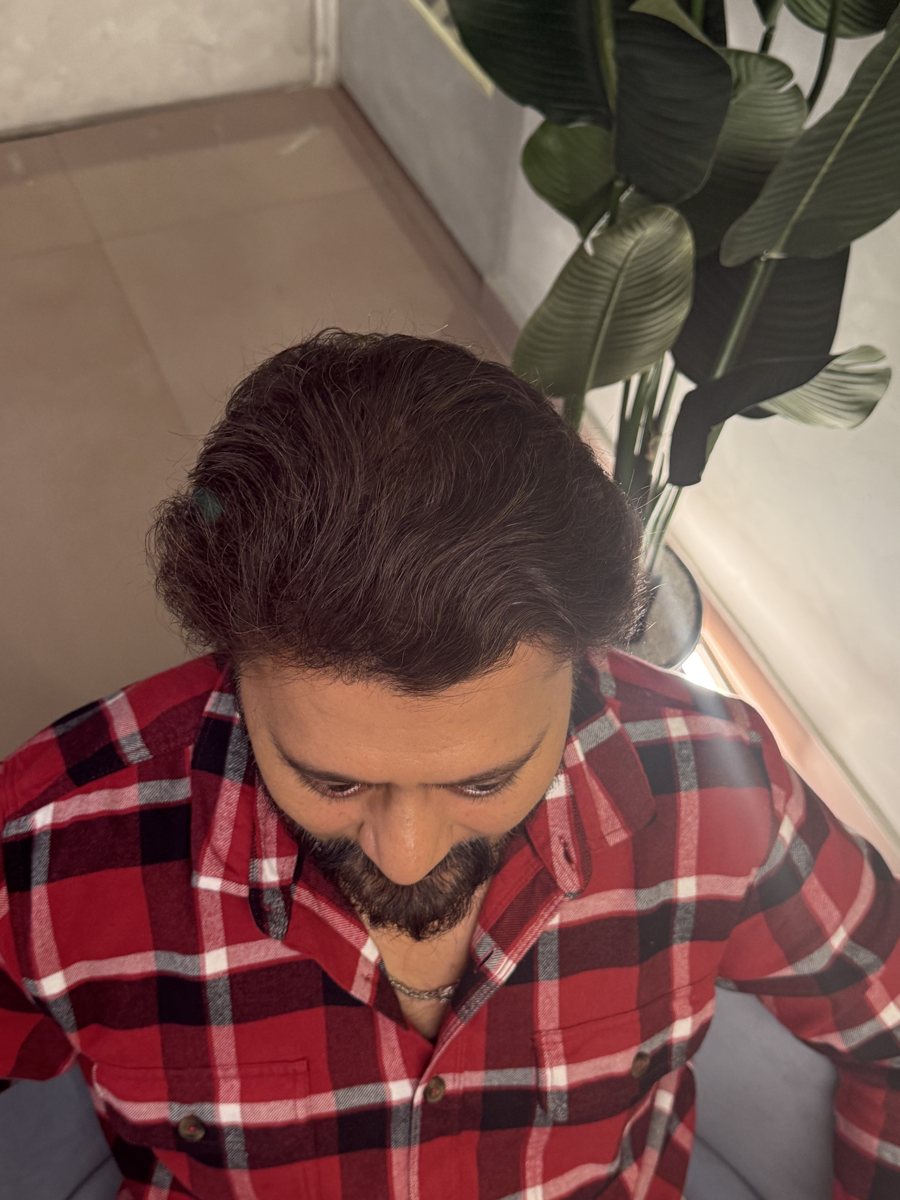
See every hair transplant timeline month by month →
Photos show what changed. They do not tell you whether what you are seeing at month three is normal. These are patients from the Beyond The Mirror interviews, describing the same months the timelines above document. Each quote links to the moment in the recording.
"Four months plus, feeling is very nice. When I see my pillow and on the floor, it's better. I know that hair is coming day by day, little by little."
Joswin D'Costa, month 4. Hear it at 1:12
"The shedding phase, and then you had the regrowth coming in. So I could actually see some good growth coming in."
Savio Menezes, months 6 to 8. Hear it at 20:40
"Around six to seven months you can see good results. The frontal is 10 months now. I have cut it more than 10 times."
Varaprasad Shetty, months 6 to 10. Hear it at 29:29
"Ten months are reasonably almost covered. It still enhances till 12 months to 14 months."
Joswin D'Costa, month 10. Hear it at 15:39
Shedding between weeks two and four is expected and temporary. Visible regrowth generally starts around month three, becomes convincing between months six and eight, and continues thickening to month twelve. If your own timeline has stalled, no growth after a hair transplant covers what that usually means.
Results differ by the area treated. The crown takes longest to fill and needs the most grafts; a receding hairline shows change earliest. Browse by what you want fixed:
Before and after photos of crown and vertex coverage, plus why the crown needs more grafts and takes 12 months to mature.
Receding hairline and temple restoration, filterable by Norwood grade across the full before-and-after gallery.
Beard and moustache density before and after, using the DSHI implantation technique.
Female pattern hair loss results, including no-shave approaches that keep surrounding hair intact.
Graft count is set by how much area needs coverage, not by a price list. Under Full Head Results pricing you are quoted for the outcome, so the graft number does not change what you pay. These are the typical bands:
| Grafts | Typical coverage | What the result looks like |
|---|---|---|
| 1,500 – 2,000 | Receding hairline, temples | Visible frame restored; earliest change, usually clear by month 5 |
| 2,000 – 3,000 | Hairline plus early crown | Front and mid-scalp filled; crown still thickening at month 8 |
| 3,000 – 4,000 | Significant frontal and crown loss | Whole-top coverage; matures through month 12 |
| 4,500 – 6,000+ | Extensive baldness (Norwood 6–7) | Usually phased across sessions; final density at 12–18 months |
Not sure which band you fall into? Use the baldness calculator to find your Norwood grade, or see hair transplant cost in India.
Transplanted follicles are taken from the donor zone at the back and sides, which is genetically resistant to DHT. That is why they keep growing. The case studies below were photographed three to ten years after surgery.
A CEO’s result photographed five years on — density, hairline position and how it aged.
A thinning — not bald — case, five years later, showing how a conservative plan ages.
Transplanting young carries a planning risk. This is what a well-planned early procedure looks like at three years.
A decade of complex hair loss, solved with a patch-test-first approach before any grafts were taken.
Every case below is a real Assure Clinic patient, named, with the full story of what they came in with and what changed.
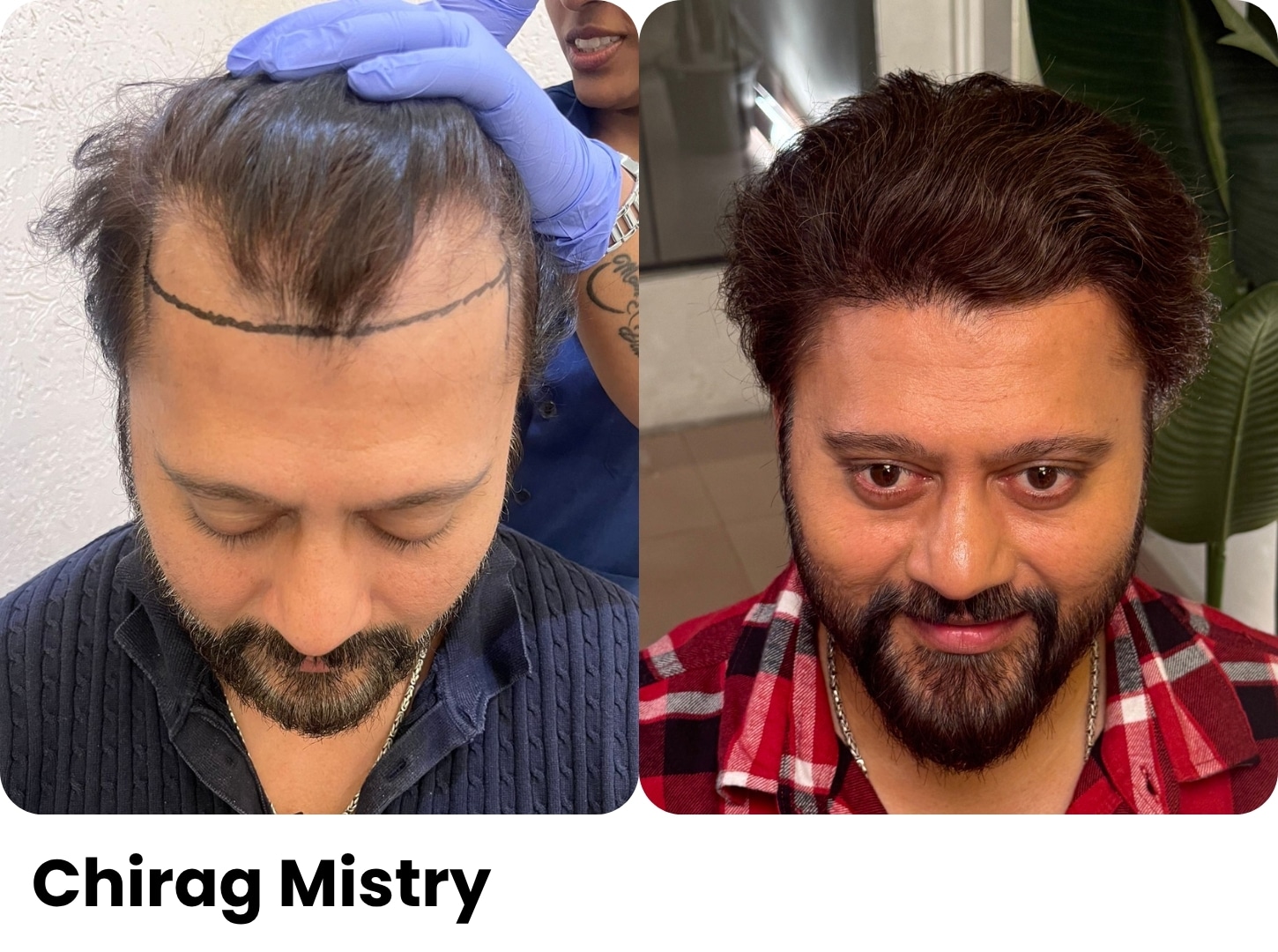
For 31 years, Captain Chirag navigated cyclones and led crews across continents. At 44, he tackled hair loss — and…
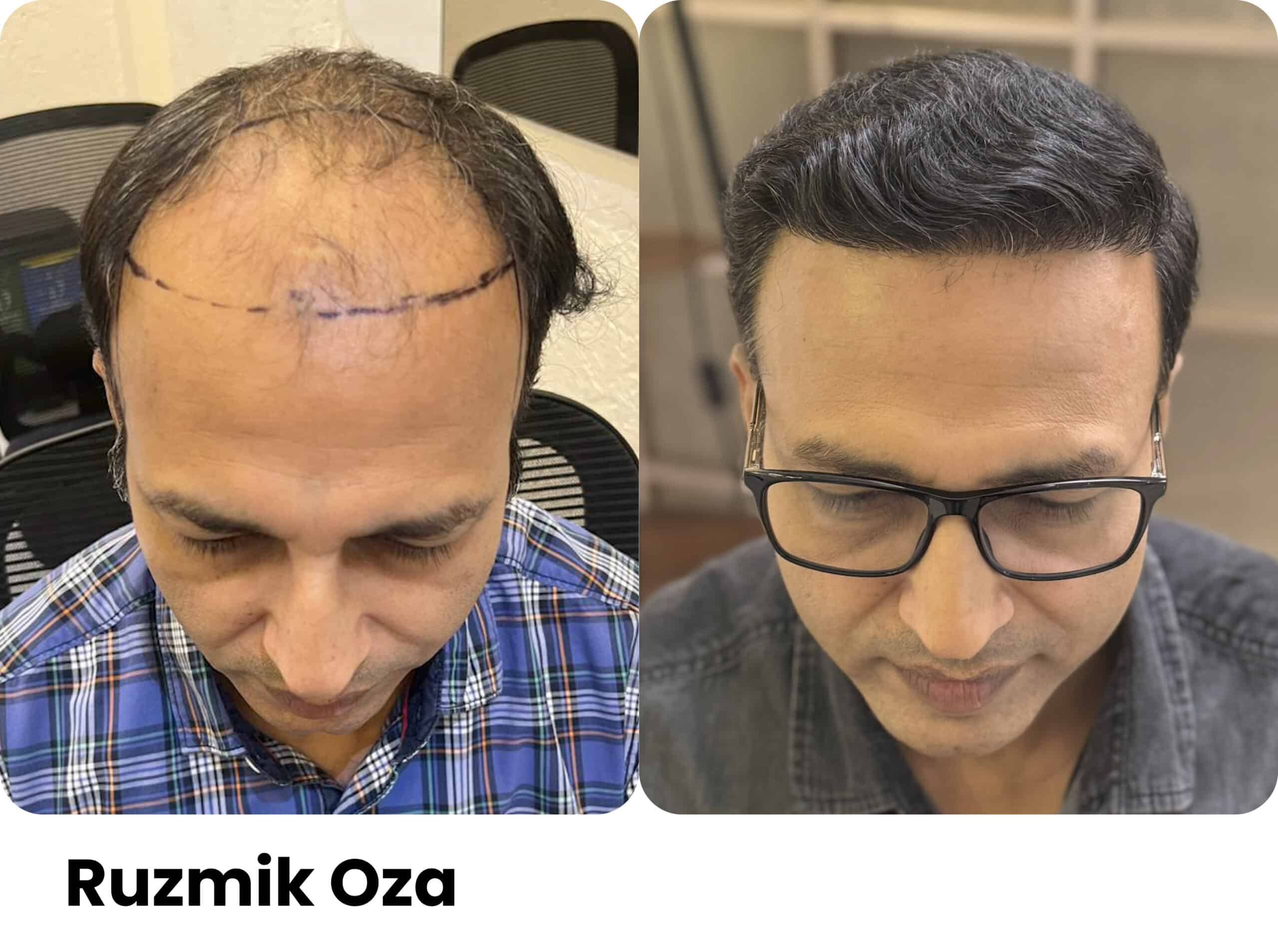
Hair loss doesn't happen overnight. For Rusmik Oza, a corporate finance professional in Mumbai, it was a slow progression over…
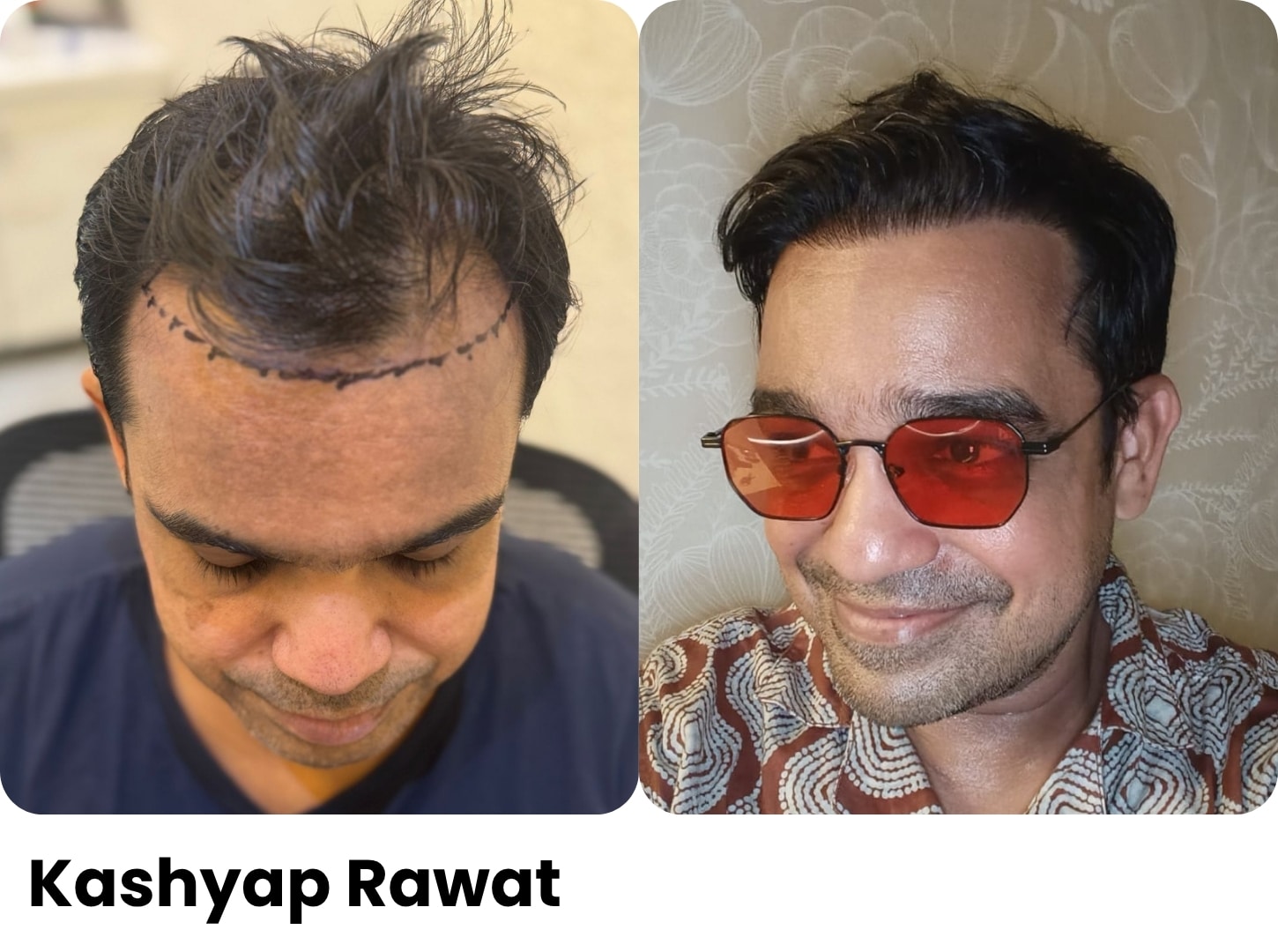
For over two decades, Kashyap Rawat carried the weight of hair loss silently. A creative professional who built stunning interiors…
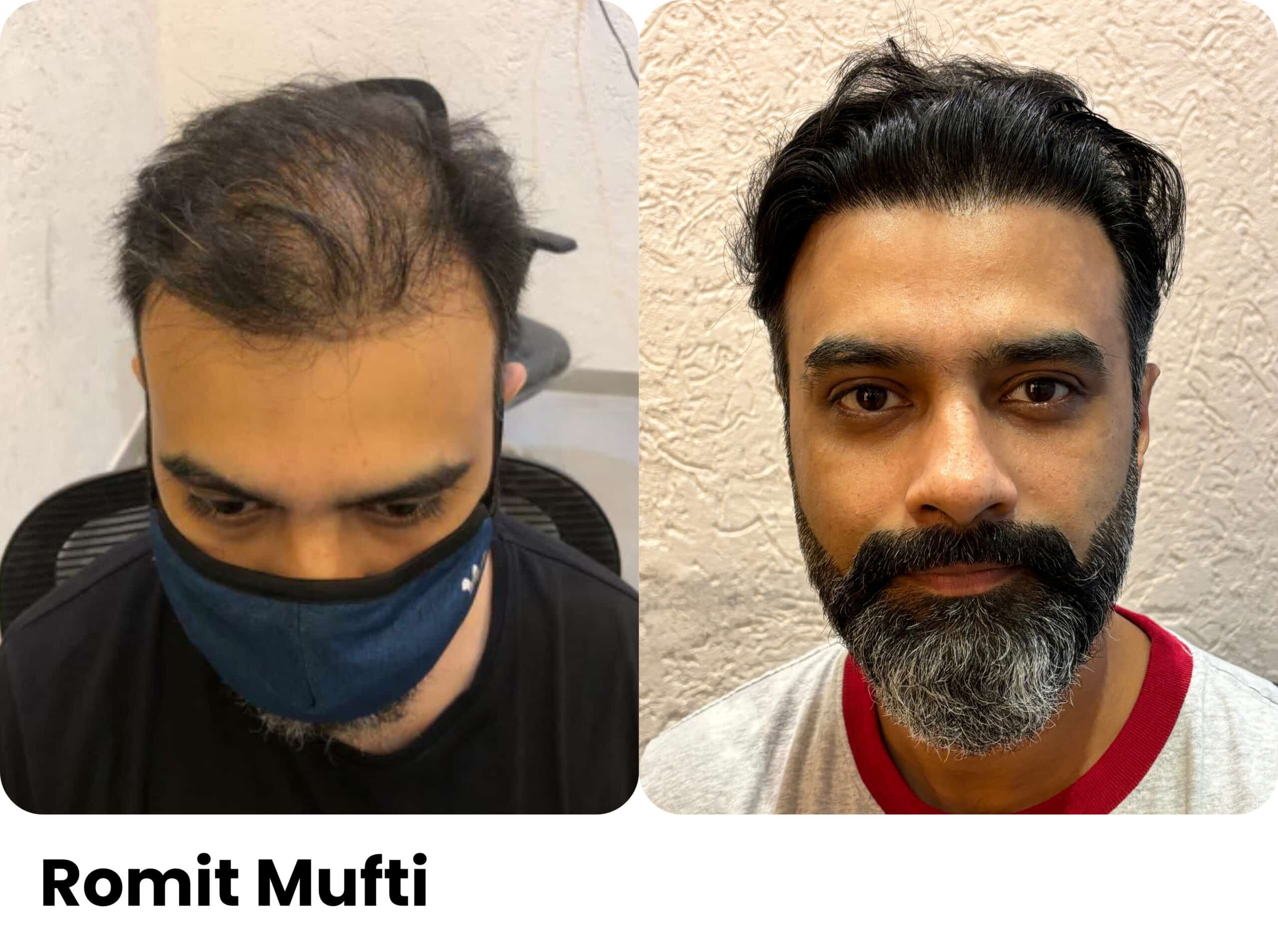
Not every hair transplant patient is visibly bald. Romit Mufti wasn't losing his hair dramatically — it was thinning gradually,…
Most men are told to wait. Wait until your hair loss stabilizes. Wait until you are older. Wait until it…
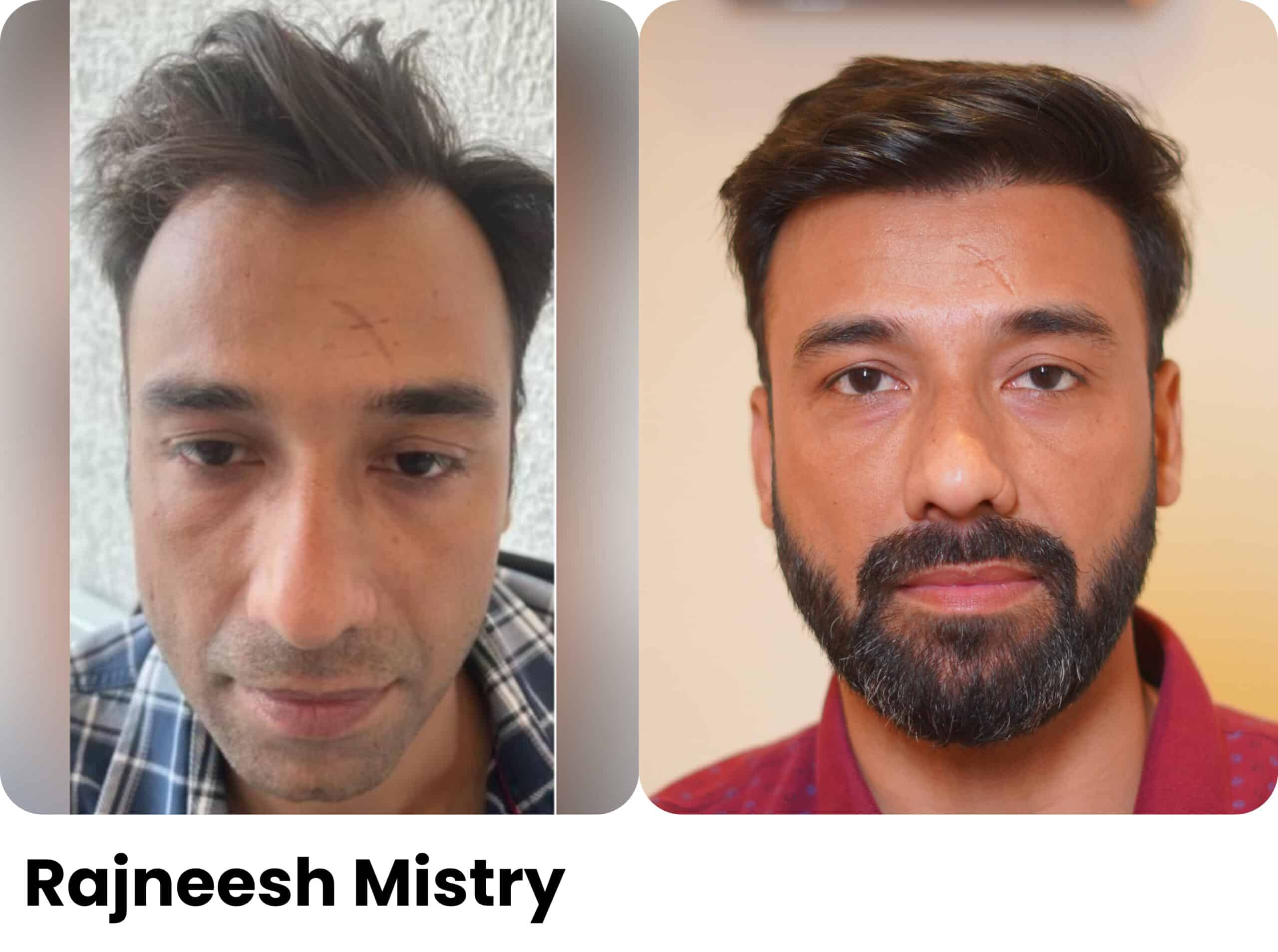
Rajneesh got a hair transplant at 25. Three years later, his results are stronger than ever — the only regret…
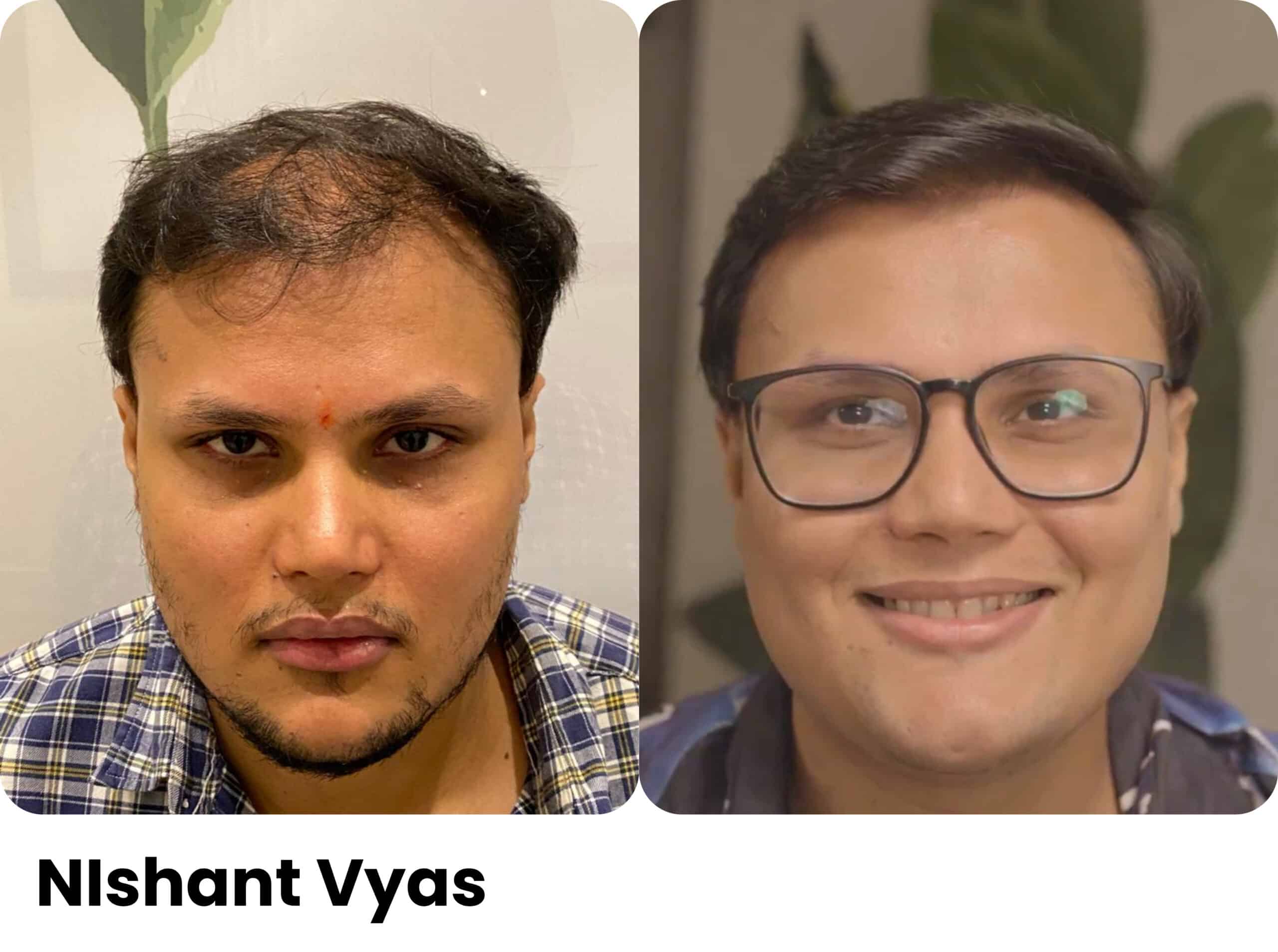
Not all hair loss is the same. For Nishant Vyas, a Mumbai-based lawyer, it wasn't just male pattern baldness —…
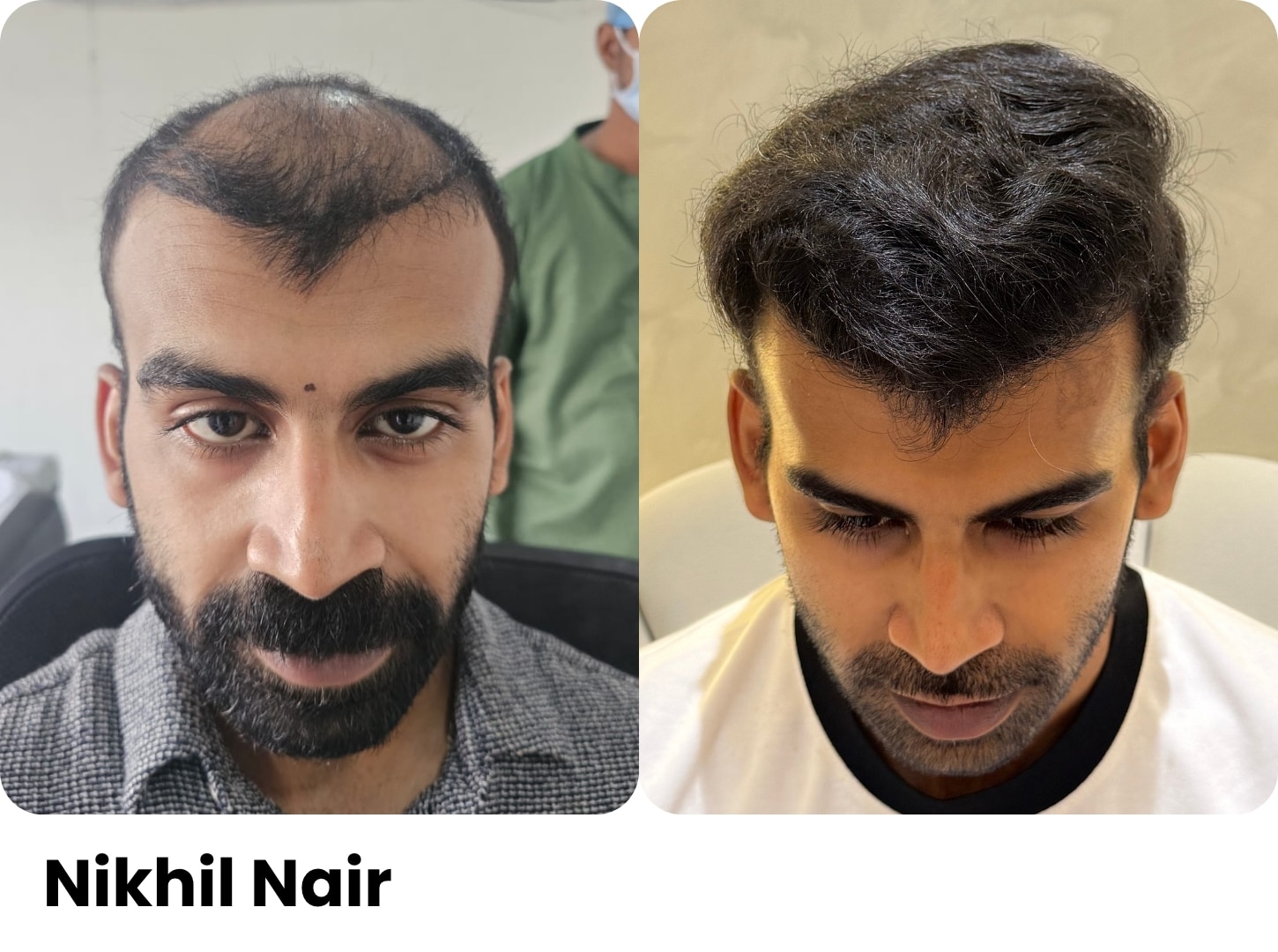
Hair loss at 30 hits differently. For Nikhil Nair, a Bangalore-based content creator and fitness enthusiast, 5-6 years of male…
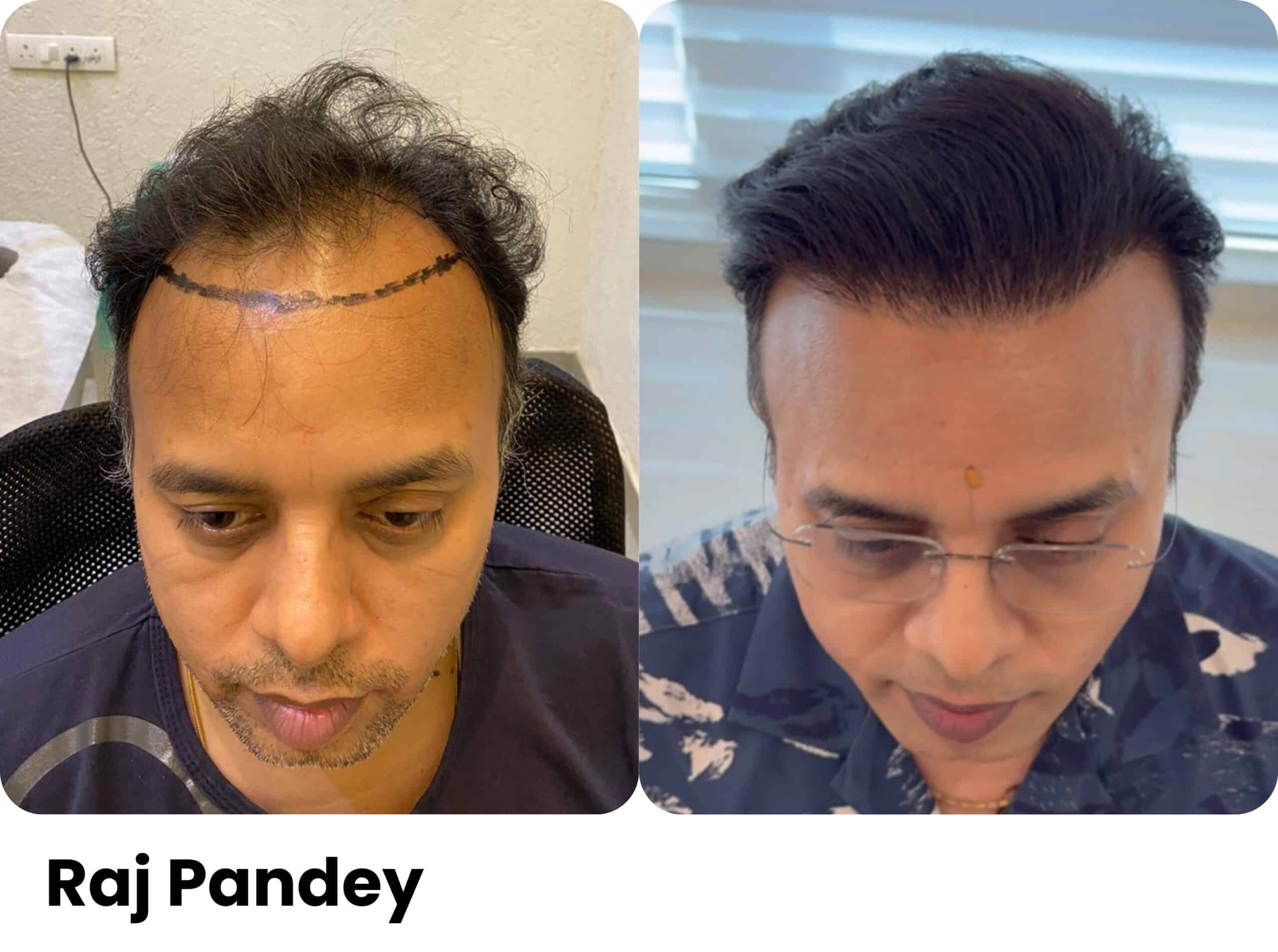
Raj Pandey spent years consulting clinics across Mumbai and Pune, trying homeopathic treatments, and still not finding the confidence to…
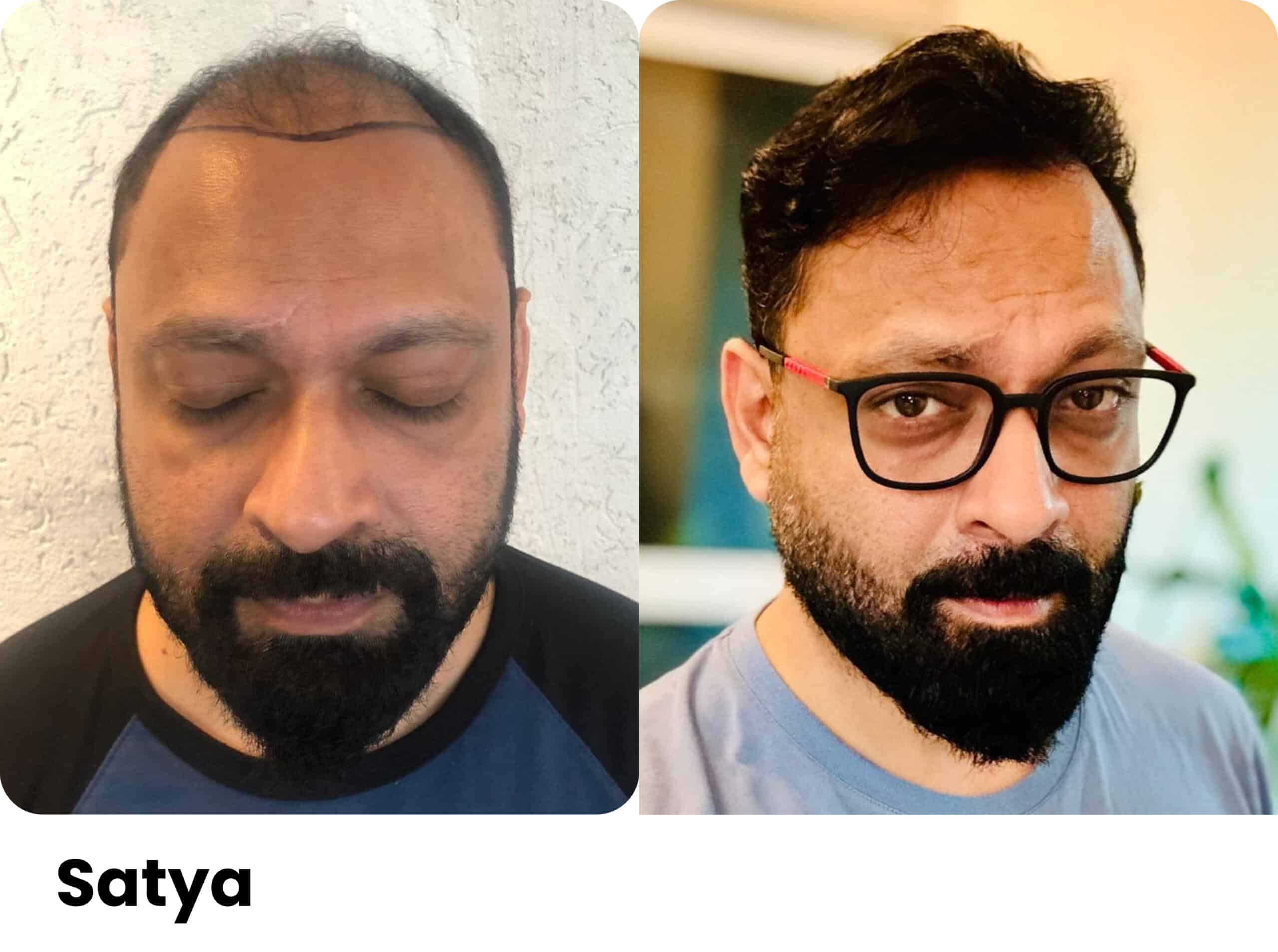
A bad hair transplant doesn't just fail cosmetically. It destroys trust. For Satya Ottur, a failed FUT procedure in 2006…
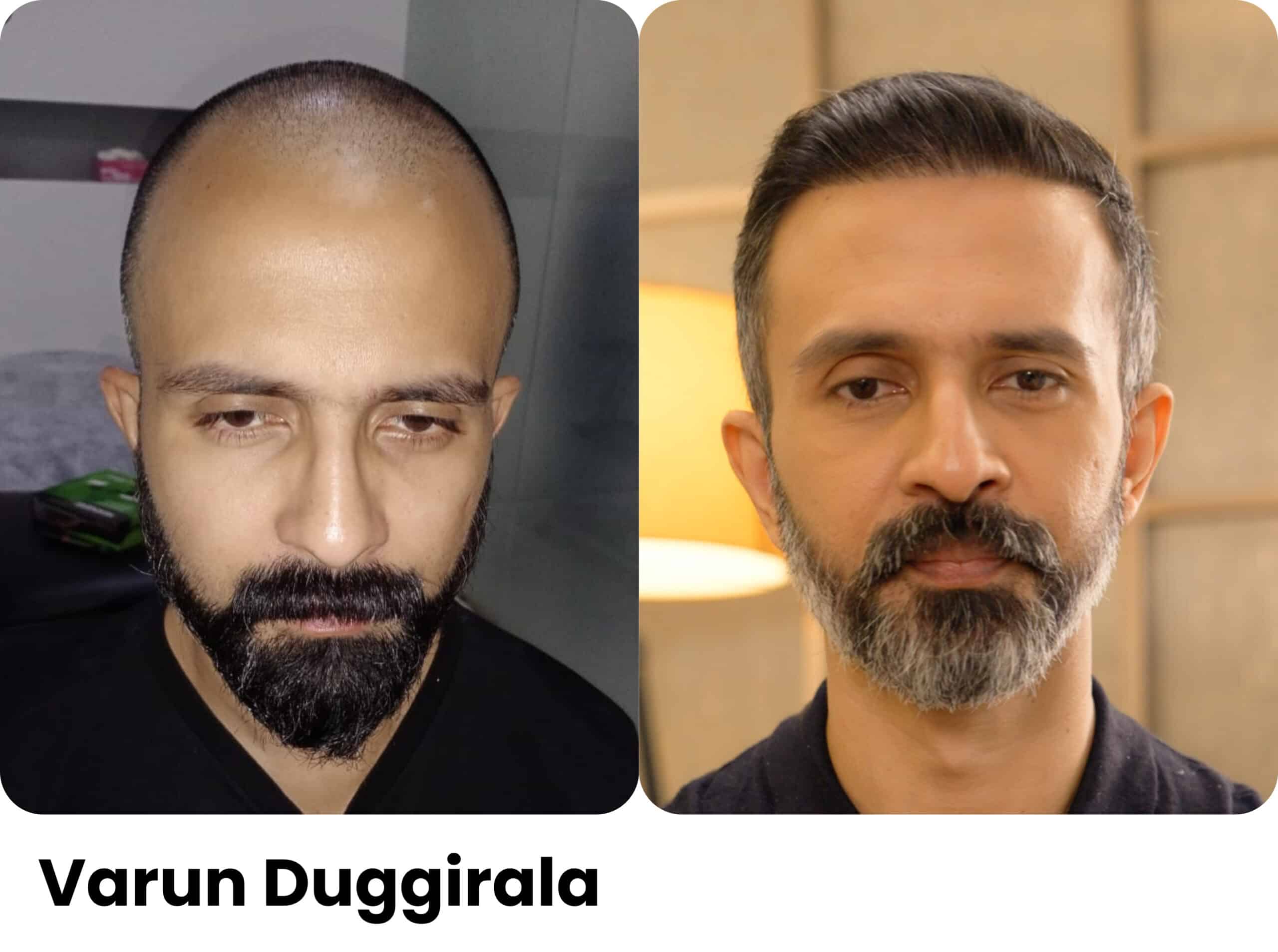
Varun Duggirala built one of India's leading creative agencies (The Glitch), sold it to WPP, authored a bestselling book, and…
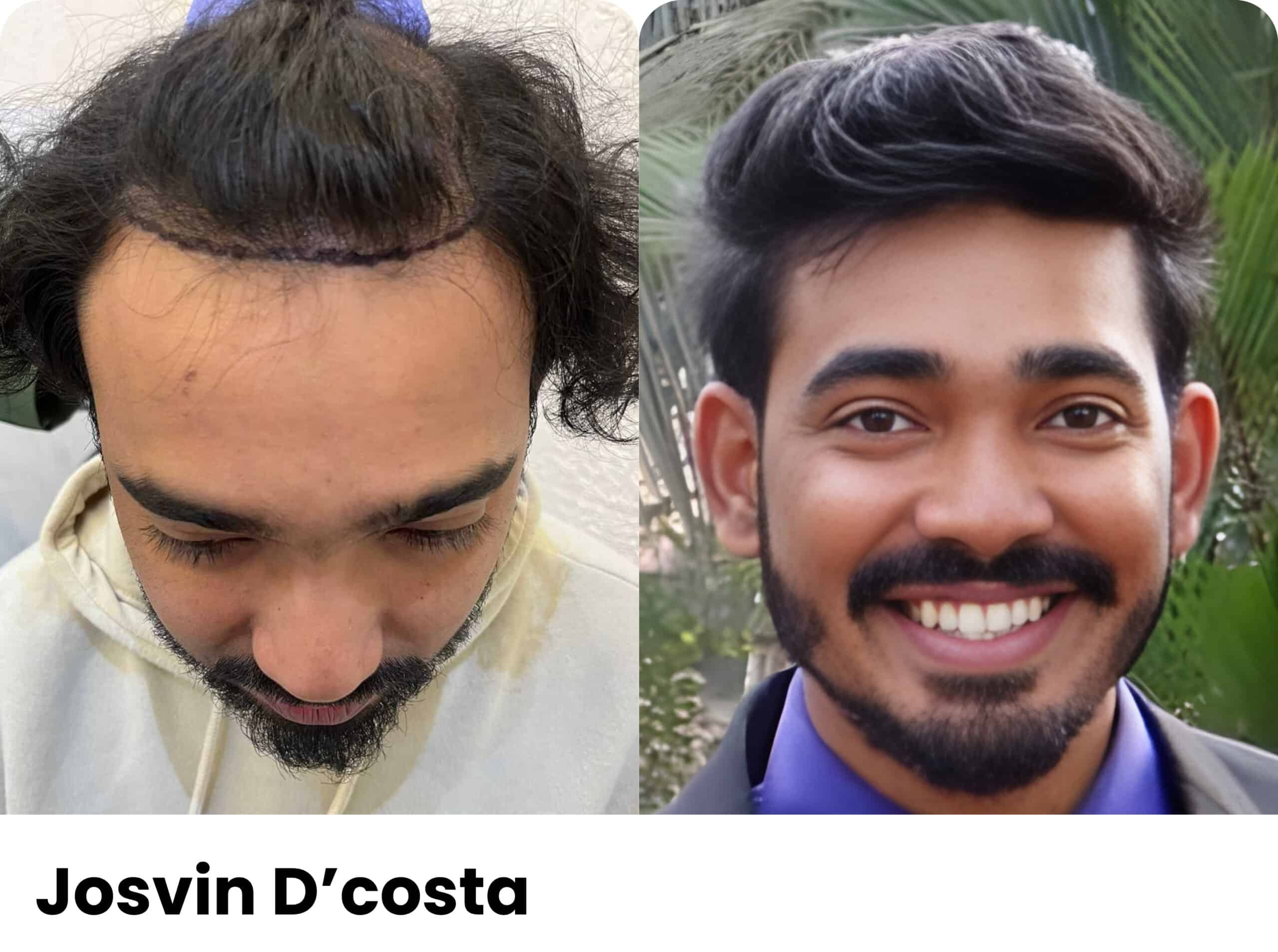
Moving abroad changes everything -- your career, your lifestyle, your environment. For Joswin D'Costa, it also changed his hair. After…
Durjoy Datta has inspired millions through his bestselling novels. His words have shaped how an entire generation thinks about love,…
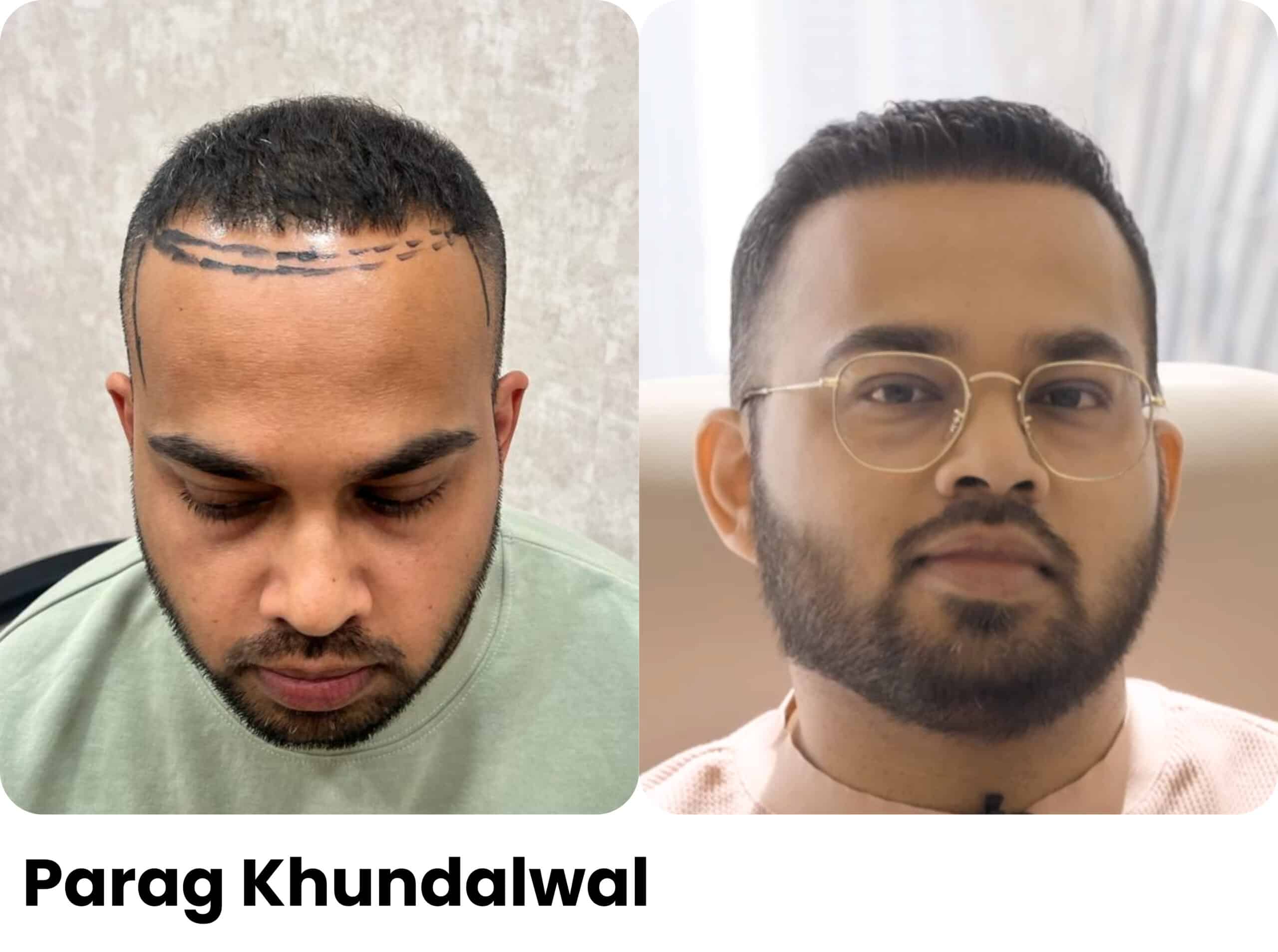
Most men visit one or two clinics before making a decision about hair restoration. Parag Kundalwal visited approximately thirty. An…
For over a decade, Sourabh Kothari was the face of major banking brands. Twelve to fourteen hour days, relentless targets,…
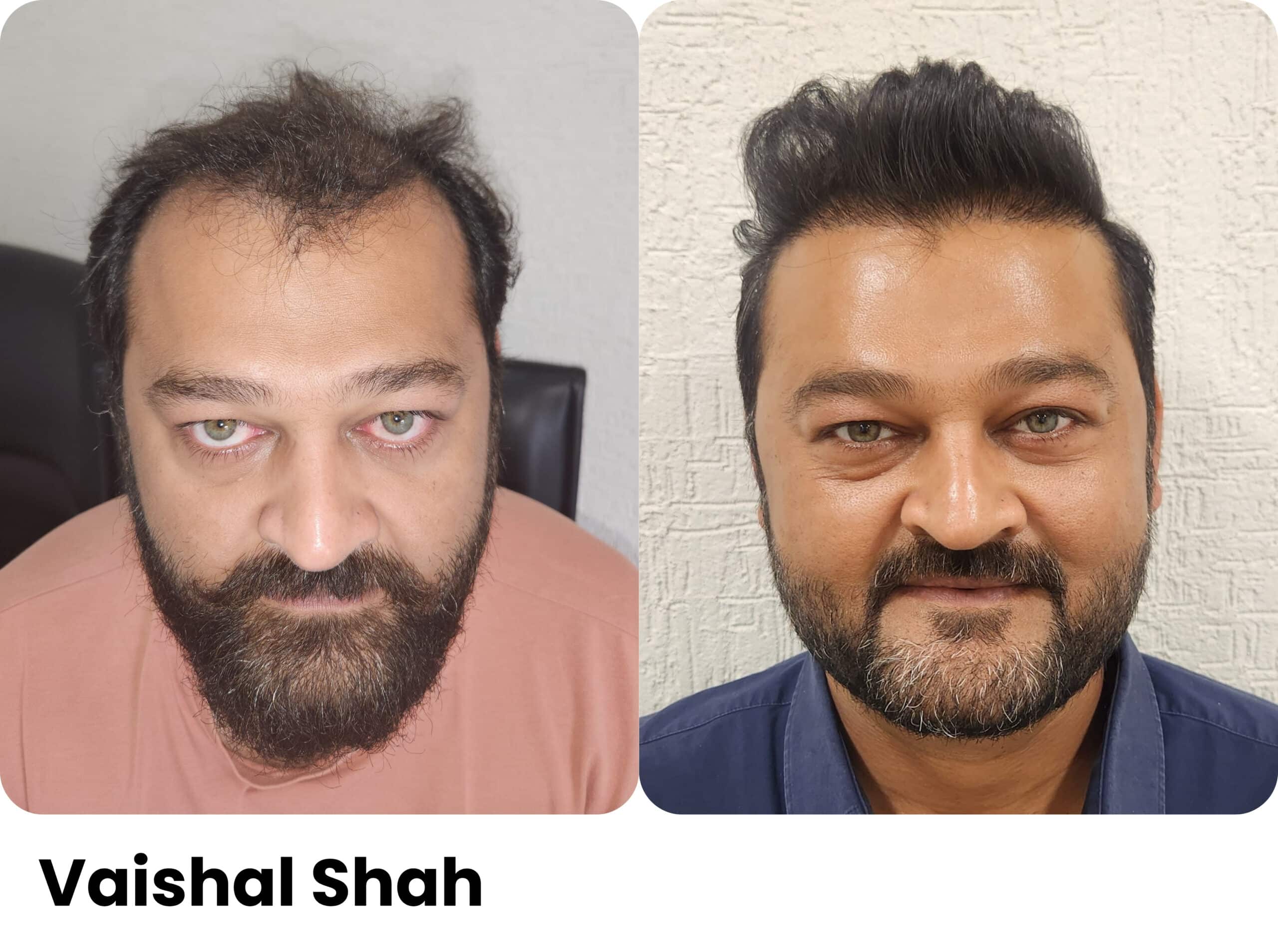
Vaishal Shah spent 18 years watching his hair thin. He changed shampoos, tried washing less frequently, used filtered water. None…
For nearly 20 years, Padmaj Kulkarni lived with progressive hair loss. He'd tried the shampoo changes, the reduced washing, the…
Transplanted hair sheds within the first month. This is expected, not failure. New growth begins around month 3, becomes visibly dense by month 5 to 6, and reaches its final texture and thickness between months 10 and 12. The month-by-month journeys above photograph every one of those stages.
Month 3 is the point most patients worry. The transplanted shafts have already shed and the follicles beneath are in a resting phase before regrowth begins. Patchy, uneven coverage at this stage is normal and expected.
Density builds unevenly. By month 6 most patients have real coverage, but the hair is still fine and maturing; by month 8 it visibly thickens. If density is genuinely static past 9 months, that warrants a review with your surgeon rather than more waiting.
Yes. Grafts are taken from the donor zone at the back and sides of the scalp, which is genetically resistant to DHT, the hormone behind pattern baldness. Those follicles keep that resistance after transplanting. The case studies below were photographed three to ten years after surgery.
Graft count is set by the area needing coverage, not by a price list. A receding hairline typically needs 1,500 to 2,000 grafts; a hairline plus early crown 2,000 to 3,000; extensive Norwood 6 to 7 baldness 4,500 to 6,000 or more, usually phased across sessions. Under Full Head Results pricing the graft number does not change what you pay.
Assure Clinic reports high graft survival across more than 20,000 procedures at 13 clinics. Every procedure is doctor-led rather than technician-led, which is the main variable behind graft survival.
Book a free consultation to discuss your hair restoration goals with our doctors.
Book Free ConsultationExpert guide by Dr. Abhishek Pilani covering causes, treatments, and when to consider a hair transplant. Trusted by 10,000+ readers.