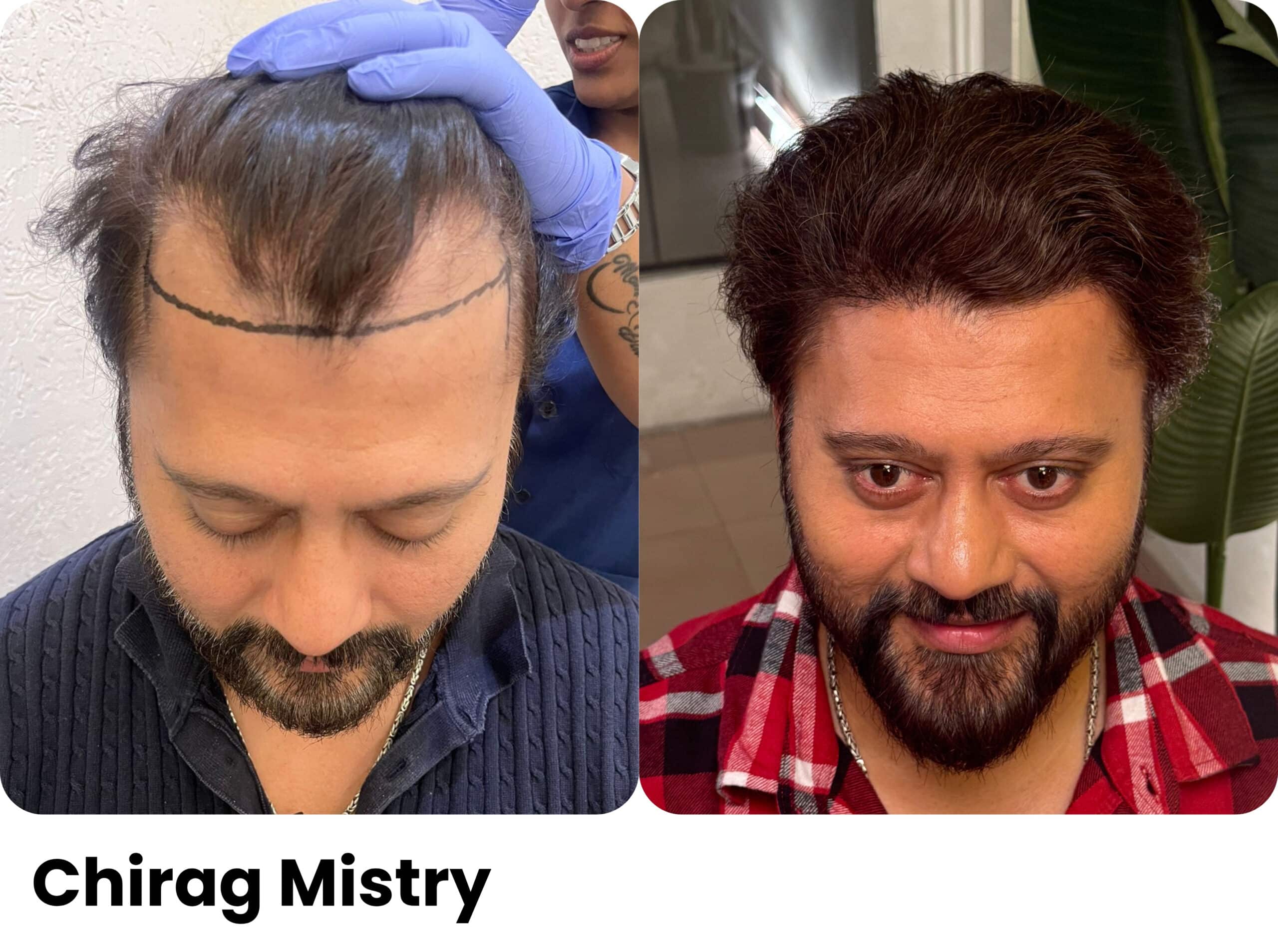
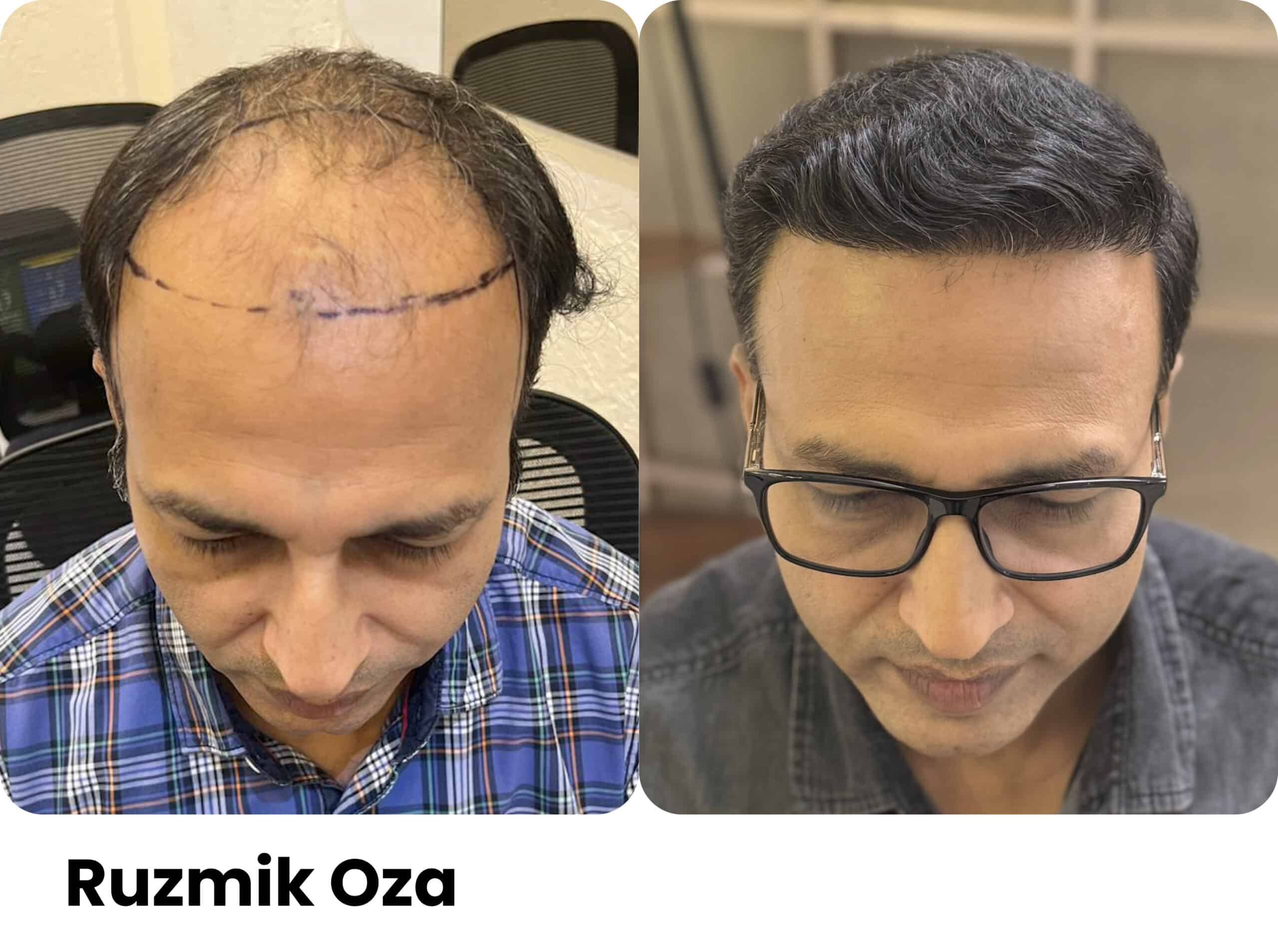
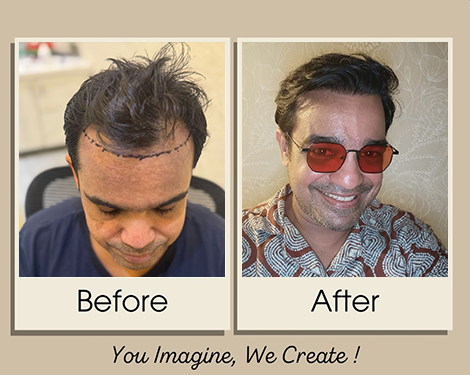
Not all hair loss is the same. For Nishant Vyas, a Mumbai-based lawyer, it wasn't just male pattern baldness — it was a triple diagnosis: alopecia areata, scarring alopecia, and androgenetic alopecia combined. After 7-8 years of steroid injections, medications, and treatments that never lasted, a methodical approach at Assure Clinic — starting with a 500-graft patch test — finally delivered permanent results.
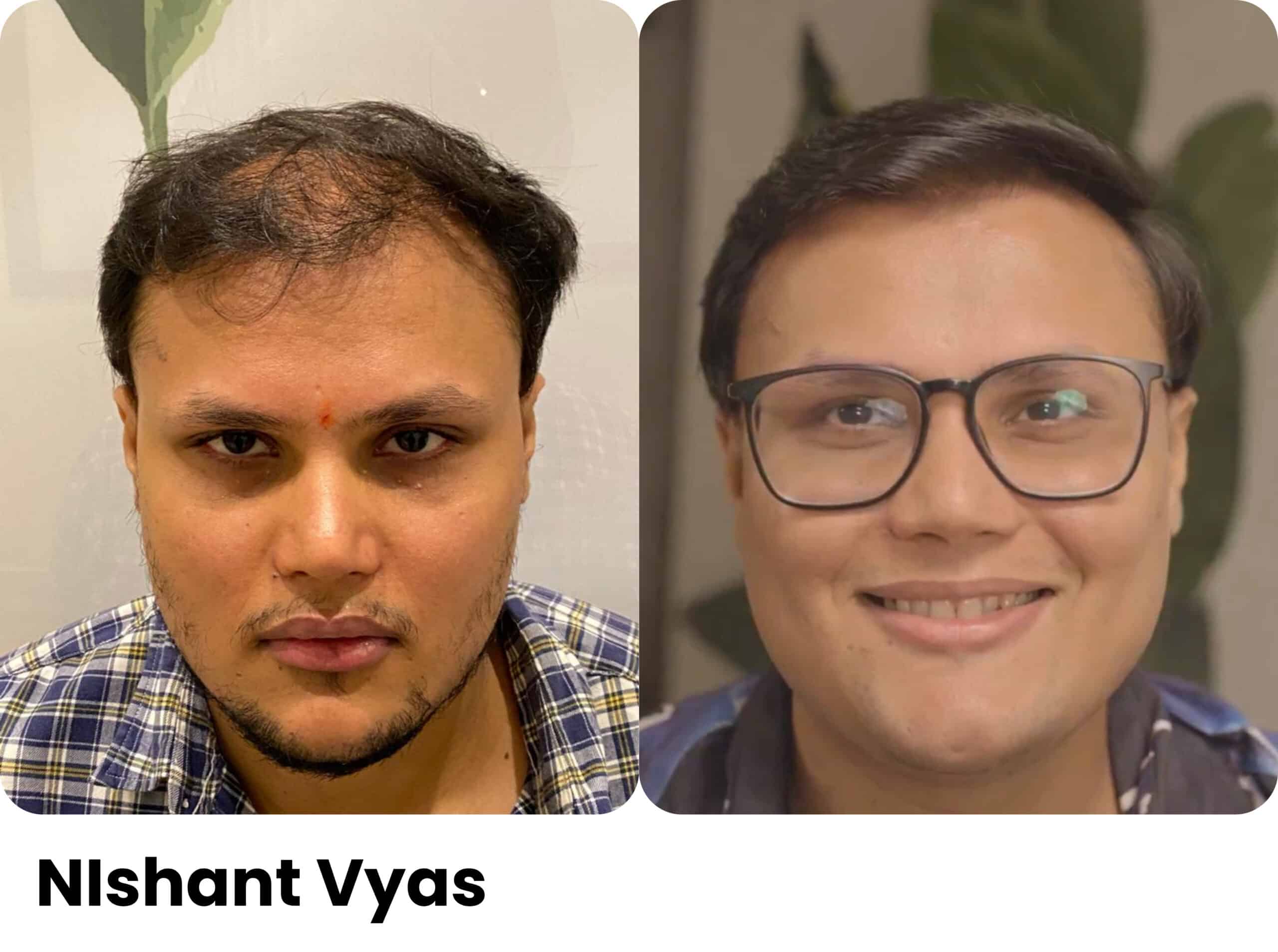
| Name | Nishant Vyas |
| Age at Onset | 21-22 (first patches in 2011-12) |
| Gender | Male |
| Location | Mumbai |
| Profession | Lawyer (Real estate & commercial litigation) |
| Diagnosis | Alopecia Areata + Scarring Alopecia + Androgenetic Alopecia (triple diagnosis) |
| Previous Treatments | Steroid injections, medications, advanced therapies (7-8 years, inconsistent results) |
| Treatment Plan | Patch test (500 grafts) then 9 sessions total |
| Total Grafts | 6,000+ |
Nishant first noticed something unusual at 21-22. Small patches appeared on his scalp around 2011-12. At that age, he didn\’t fully understand what was happening — until people around him started pointing it out.
“Others noticed my hair loss before I did. That\’s what made it more shocking.”
Multiple dermatologists eventually identified a triple diagnosis:
| Condition | What It Means |
|---|---|
| Alopecia Areata | Autoimmune condition causing patchy, unpredictable hair loss — the immune system attacks hair follicles |
| Scarring Alopecia | Inflammation destroys follicles permanently, replacing them with scar tissue — affected follicles cannot regrow hair |
| Androgenetic Alopecia | Genetic, progressive thinning driven by DHT sensitivity — the most common form of male hair loss |
This triple diagnosis made Nishant\’s case significantly more complex than standard pattern baldness. Each condition requires a different treatment approach, and the interaction between them creates unpredictability that most standard protocols can\’t address. Learn more about hair transplant for alopecia and special conditions.
Over the next 7-8 years, Nishant tried everything available:
| Treatment | Outcome |
|---|---|
| Steroid injections | Temporary improvement, inconsistent results |
| Oral medications | Partial response, side effects |
| Advanced therapies | Short-term gains, no lasting change |
The pattern was always the same: initial hope, followed by regression. For someone whose profession as a lawyer requires constant interaction with people, the repeated questions — “What\’s happening to your hair?” — added stress to an already frustrating situation.
“There was a time I stopped looking at myself in the mirror.”
Standard hair transplant planning assumes a predictable hair loss pattern. Alopecia areata disrupts this assumption because:
This is why Nishant\’s treatment plan started differently from a typical case.
In 2018, after a trusted recommendation, Nishant consulted Assure Clinic. His initial reaction was skepticism:
“At my age, being advised a hair transplant felt shocking. Isn\’t that for people in their 40s or 50s?”
But the approach was unlike anything he\’d heard before. Instead of jumping to a full procedure, the team proposed a diagnostic patch test.
| Detail | Value |
|---|---|
| Purpose | Test whether transplanted follicles survive in alopecia-affected scalp |
| Grafts | 500 |
| Location | Crown area (most affected by alopecia) |
| Success Criteria | Graft survival and growth at 3 months |
“If it fails, no loss. If it works… imagine.”
After 3 months: the patch test was successful. The grafts survived and grew in the alopecia-affected area, confirming that a full transplant was viable.
This patch test approach is rarely offered by clinics because it requires:
But for complex alopecia cases, it\’s the difference between guessing and knowing.
With patch test results confirming viability, a comprehensive treatment plan was designed:
| Session | Date | Focus |
|---|---|---|
| Session 1 | October 2021 | Crown area restoration (~3,000 grafts) |
| Session 2 | January 2022 | Density enhancement |
| Session 3 | October 2022 | Front hairline restoration |
| Total: 9 sessions, 6,000+ grafts, full scalp coverage | ||
The multi-session approach was critical for Nishant\’s case because:
By early 2023, after completing all three sessions, Nishant experienced full results. The change was described as remarkable by everyone around him:
“For the first time in years, I started looking at myself in the mirror again.”
For someone who had spent nearly a decade dealing with hair loss, the transformation went far beyond aesthetics:
“When you\’re emotionally drained, you feel lost. This gave me my direction back.”
| Factor | Why It Matters |
|---|---|
| Triple diagnosis | One of the most complex hair loss presentations — requires multi-condition treatment planning |
| Patch test validation | Demonstrated that transplanted follicles can survive in autoimmune-affected scalp tissue |
| 3-session phased approach | Showed that complex cases benefit from extended treatment timelines rather than single-procedure approaches |
| 10-year treatment history | Conventional treatments failed for nearly a decade; surgical restoration succeeded |
| Permanent results | Despite autoimmune and scarring components, transplanted follicles achieved lasting growth |
You can assess your hair loss stage or view more before and after results. Learn about hair transplant cost at Assure Clinic.
20,000+ procedures. 95% graft survival. 60+ qualified doctors. Book a free consultation today.
Expert guide by Dr. Abhishek Pilani covering causes, treatments, and when to consider a hair transplant. Trusted by 10,000+ readers.