
Understanding Hair Loss
Hair loss, or alopecia, occurs when the natural hair growth cycle is disrupted, leading to excessive shedding and thinning. Understanding the causes, types, and treatment options is the first step towards restoring your hair and confidence.
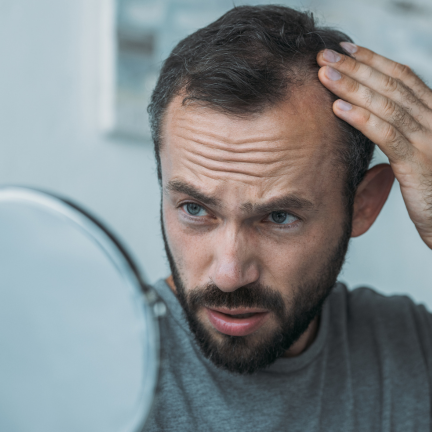
What Causes Hair Loss?
Understanding these causes helps in selecting the right treatment and preventive measures for healthy hair growth.
Genetics (Androgenetic Alopecia)
Hereditary hair loss due to sensitivity to DHT, leading to gradual thinning.
Hormonal Imbalances
Hair loss due to pregnancy, postpartum, menopause, PCOS, or thyroid disorders.
Age-Related Thinning
Natural shrinkage of hair follicles over time, reducing hair density.
Nutritional Deficiencies
Lack of iron, protein, vitamin D, biotin, or zinc weakens hair growth.
Stress & Lifestyle Factors
Emotional stress, physical trauma, smoking, alcohol, and poor sleep disrupt hair cycles.
Environmental & Water Quality
Hard water, pollution, toxins, and UV exposure affect scalp health.
Scalp Conditions & Infections
Dandruff, fungal infections, psoriasis, and eczema cause hair loss.
Autoimmune Diseases
Alopecia areata, lupus, and diabetes trigger immune-related hair shedding.
Medications & Treatments
Chemotherapy, blood pressure meds, antidepressants, and steroids can induce hair loss.
Excessive Hairstyling & Chemicals
Frequent heat styling, dyes, relaxers, and tight hairstyles damage follicles.
Sudden Weight Loss & Crash Diets
Nutrient deficiencies from extreme dieting lead to temporary shedding.
Types of Hair Loss
Hair loss can occur due to various factors, with different types requiring specific treatments.
1. Androgenetic Alopecia (Pattern Baldness)
The most prevalent form of hair loss, affecting both men and women.
- Men: Receding hairline and thinning at the crown.
- Women: Diffuse thinning across the scalp.
- Caused by genetics and sensitivity to dihydrotestosterone (DHT).
- Typically progressive and requires early intervention.
2. Alopecia Areata
An autoimmune disorder where the immune system attacks hair follicles.
- Leads to sudden, patchy hair loss on the scalp, beard, or other body areas.
- Can progress to Alopecia Totalis (complete scalp baldness).
- Can be unpredictable, with periods of regrowth and recurrence.
3. Telogen Effluvium
Temporary hair shedding due to stress, illness, hormonal shifts, or sudden weight loss.
- Hair enters the resting (telogen) phase prematurely.
- Often reversible with proper nutrition and stress management.
4. Traction Alopecia
Caused by tight hairstyles that put excessive tension on hair follicles.
- Can lead to permanent hair loss if prolonged.
- Preventable by reducing scalp stress and avoiding constant pulling.
5. Scarring Alopecia (Cicatricial Alopecia)
A rare condition where inflammation destroys hair follicles permanently.
- Causes include autoimmune diseases, infections, or severe scalp conditions.
- Requires medical intervention to prevent further damage.
Hair Loss Prevention Tips
Following these steps can strengthen hair, reduce shedding, and promote long-term hair health.
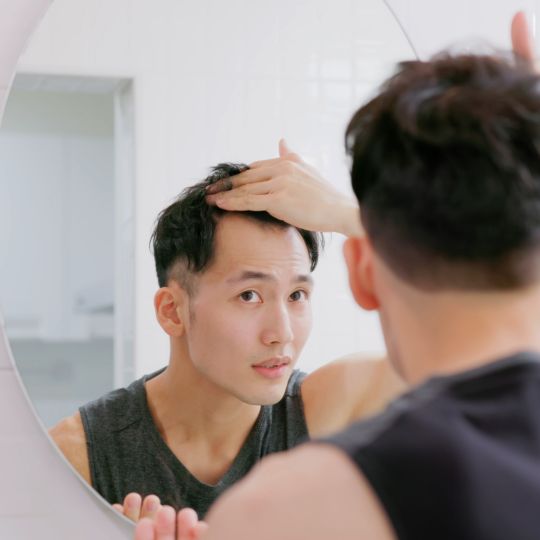
Eat a Nutrient-Rich Diet
Hair needs iron, zinc, biotin, and protein to stay strong. Include leafy greens, eggs, nuts, fish, and lean meats for healthy growth.
Manage Stress
High stress levels can trigger hair shedding. Engage in meditation, yoga, exercise, and maintain proper sleep to balance hormones and support hair health.
Be Gentle with Hair
Avoid tight hairstyles, excessive brushing, and frequent heat styling, as they weaken hair and lead to breakage. Use a wide-tooth comb for detangling.
Limit Chemical Treatments
Frequent hair dyes, bleaches, relaxers, and chemical treatments can cause long-term damage. Opt for mild, sulfate-free shampoos and nourishing conditioners.
Protect Your Scalp
Direct sun exposure and pollution can damage the scalp. Use hats, scarves, or SPF hair sprays when outdoors.
Avoid Overwashing
Washing hair too often strips natural oils, causing dryness. Use lukewarm water and gentle shampoos to maintain moisture.
Filter Hard Water
Hard water minerals weaken hair and lead to buildup. Install a water filter or use a clarifying shampoo occasionally.
Comprehensive Hair Loss Treatment Options
Hair loss can be effectively managed through non-surgical medical treatments, advanced therapies, and surgical procedures.
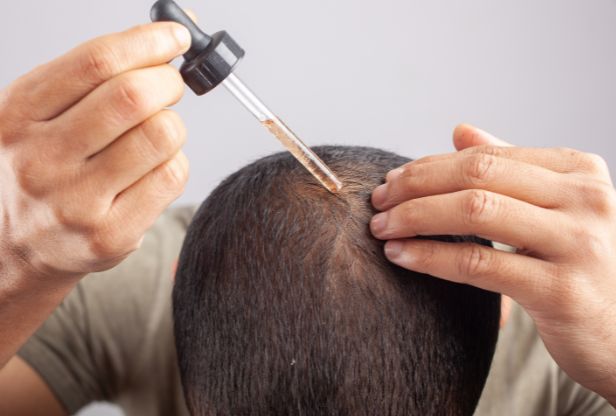
01
PRP Therapy (Platelet-Rich Plasma)
Uses growth factors from the patient's own blood to repair follicles and stimulate new hair growth.
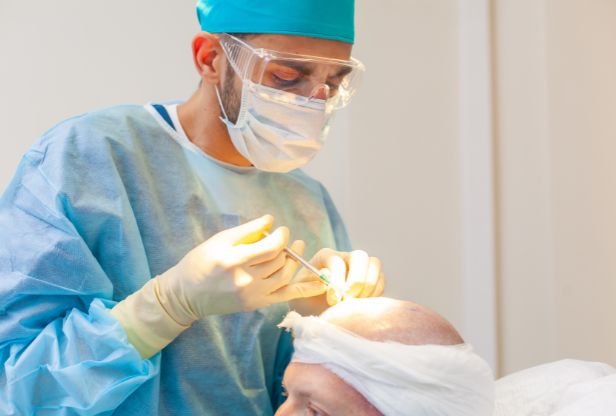
02
Growth Factor Concentrate (GFC) Therapy
A more refined and concentrated version of PRP, delivering higher levels of regenerative growth factors.

03
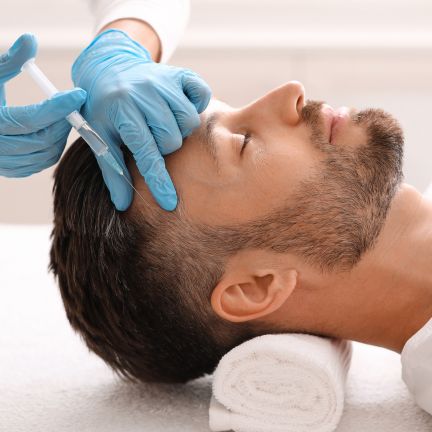
Mesotherapy
A technique where micro-injections of vitamins, enzymes, and medications are delivered directly to the scalp to nourish hair follicles.
04
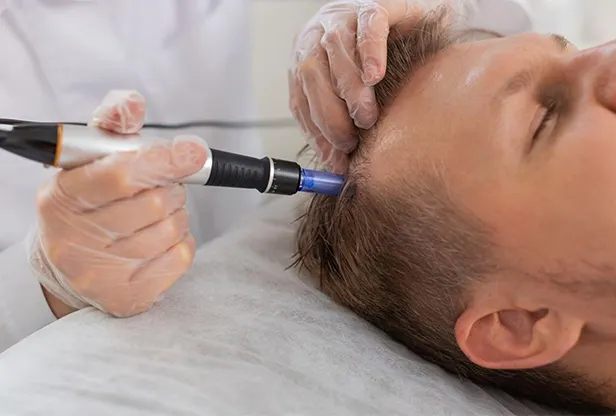
Microneedling for Hair
A minimally invasive procedure that uses fine needles to stimulate collagen production, improving hair growth by enhancing absorption of topical treatments.

05
Low-Level Laser Therapy (LLLT)
Uses red light wavelengths to improve scalp blood circulation and stimulate weak hair follicles.
Medical Treatments
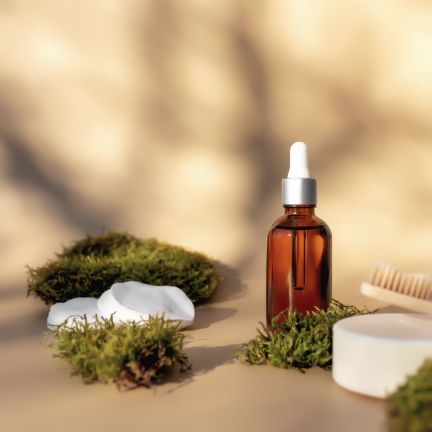
Minoxidil (Topical Solution)
FDA-approved treatment that increases blood flow to hair follicles, stimulating growth and reducing hair thinning.

Finasteride (Oral Medication)
A prescription drug for men that lowers DHT levels, slowing hair loss and promoting regrowth.
Dutasteride
A stronger alternative to finasteride that blocks DHT more effectively but is prescribed selectively.

Oral & Injectable Supplements
Biotin, iron, zinc, and amino acids help strengthen hair from within.
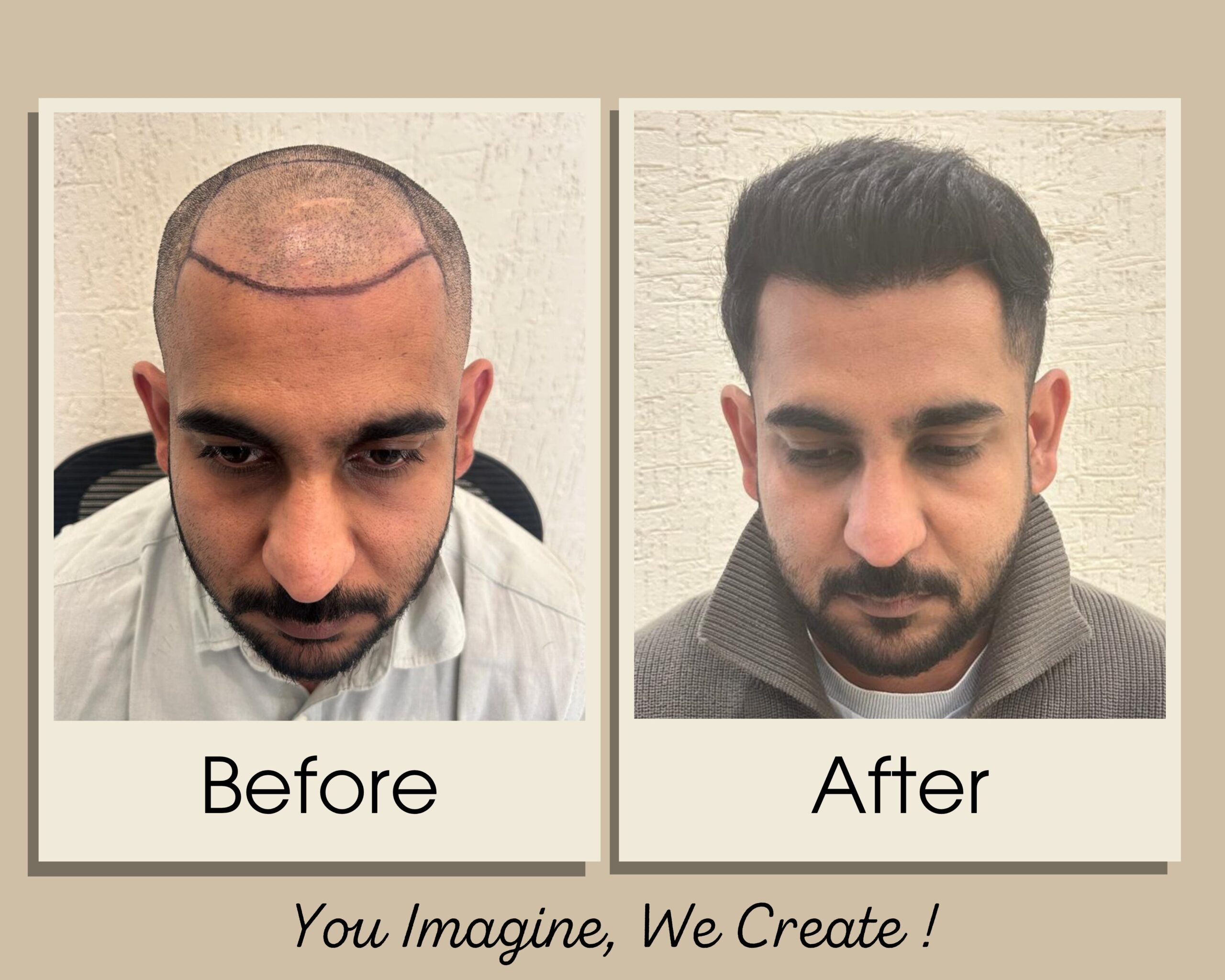
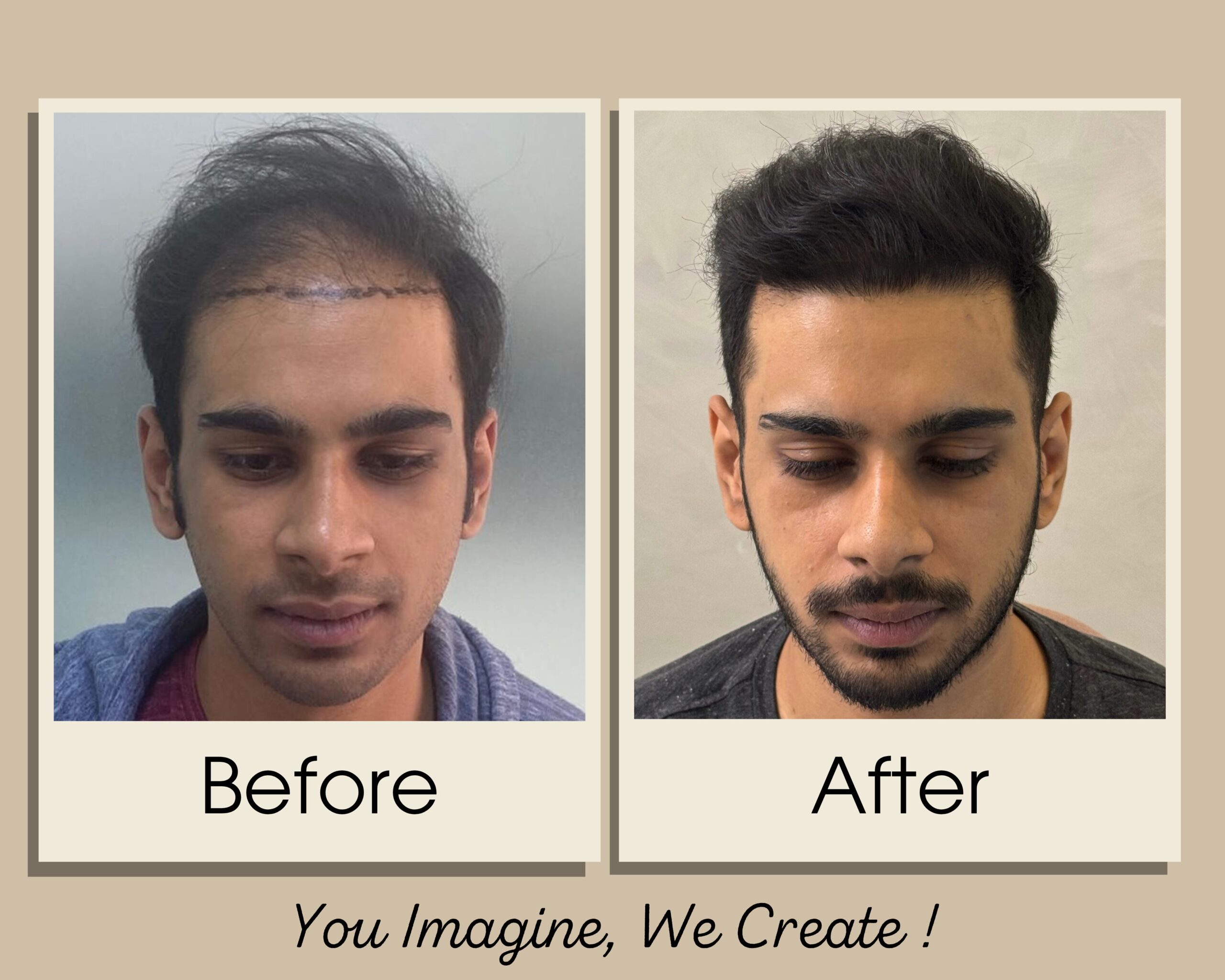
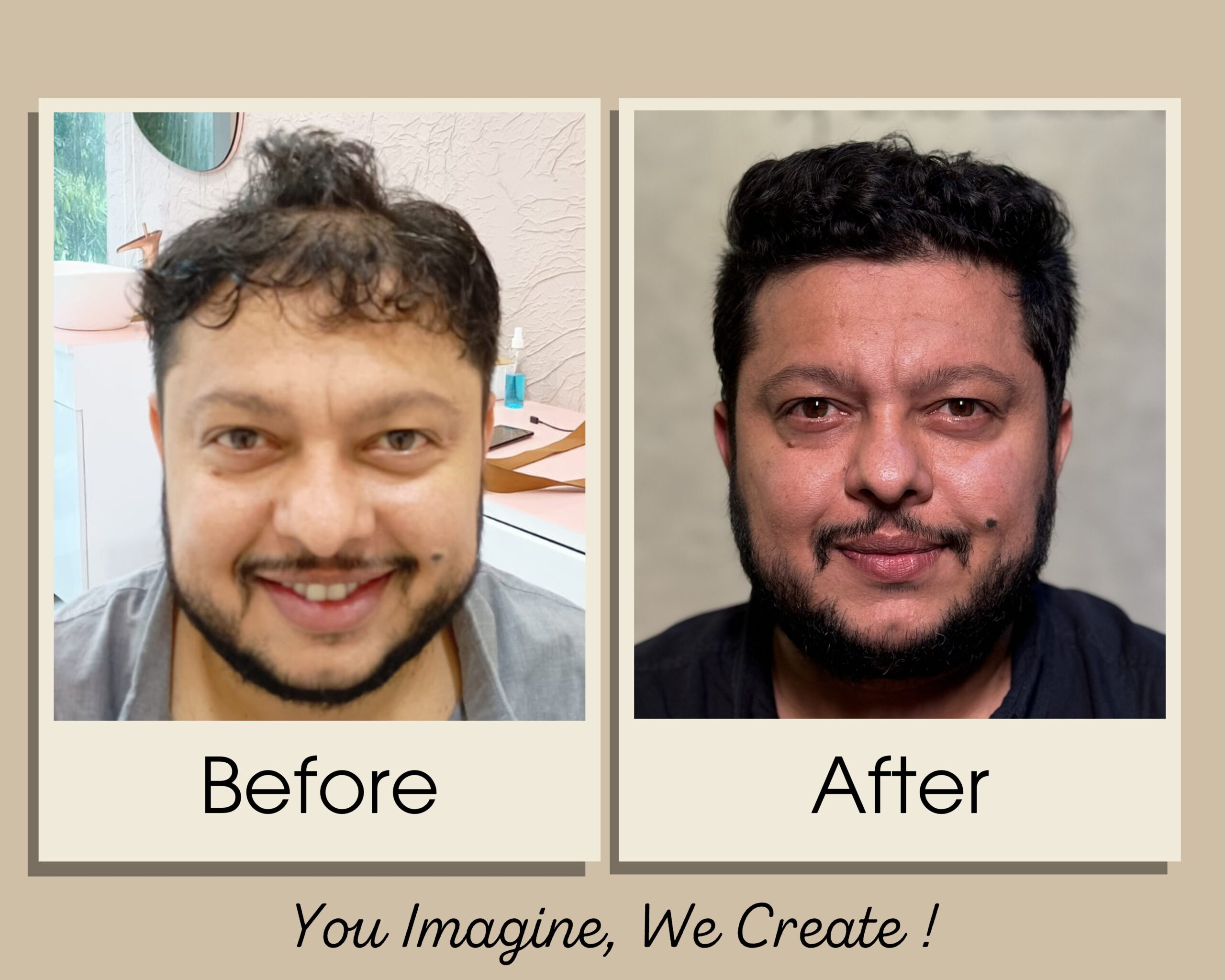
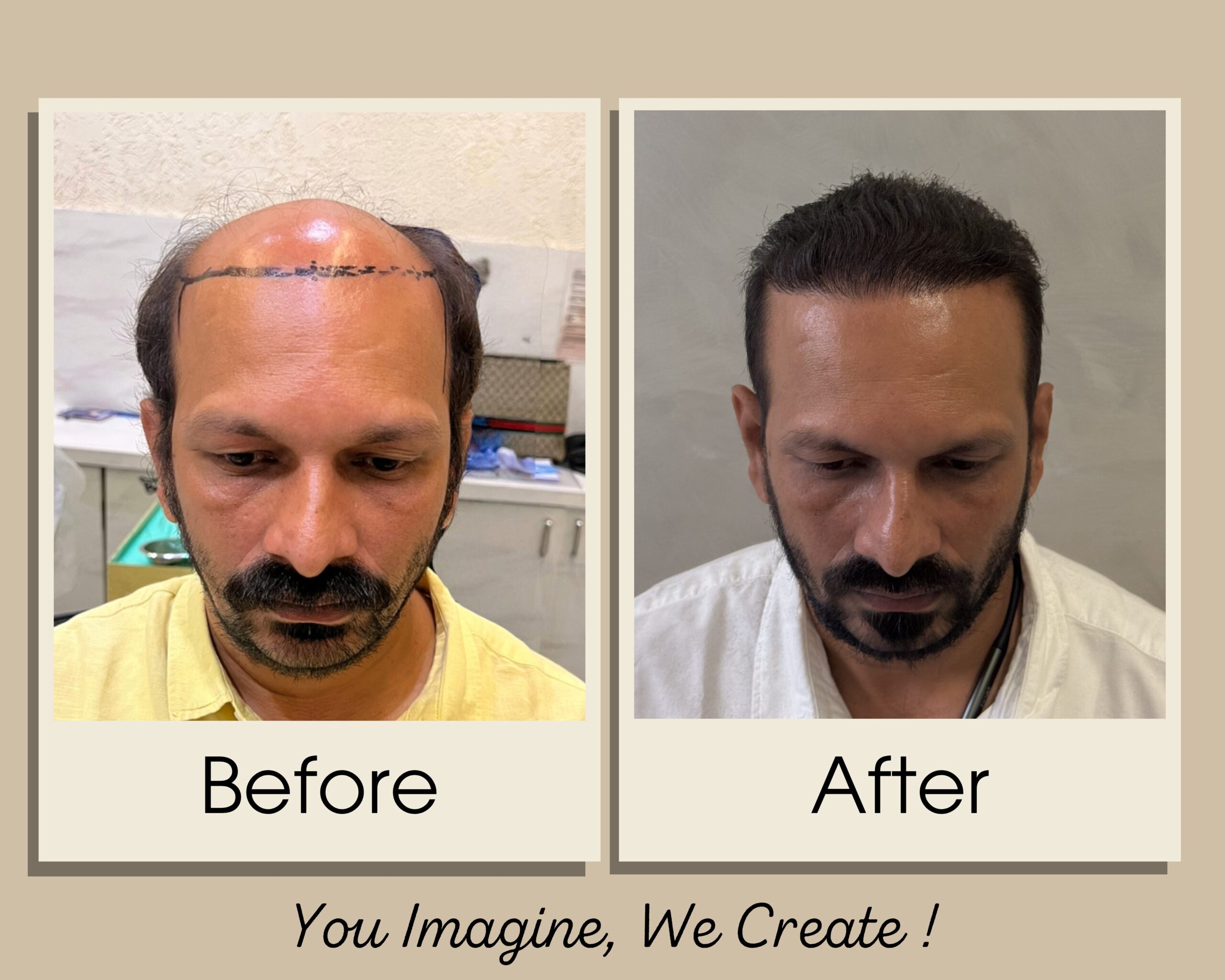
Hair Transplant Surgery
For long-term hair restoration, surgical options provide lasting results.
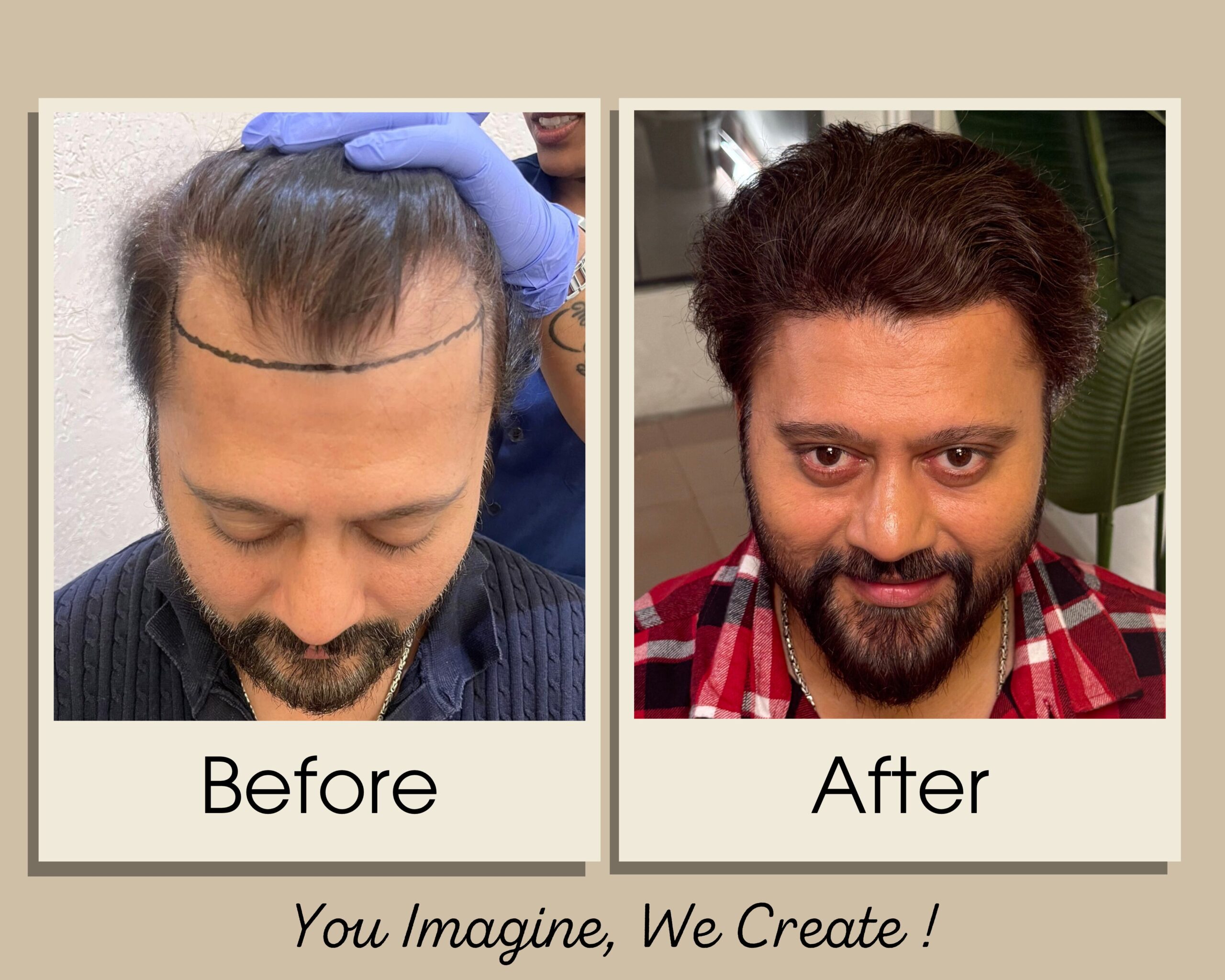
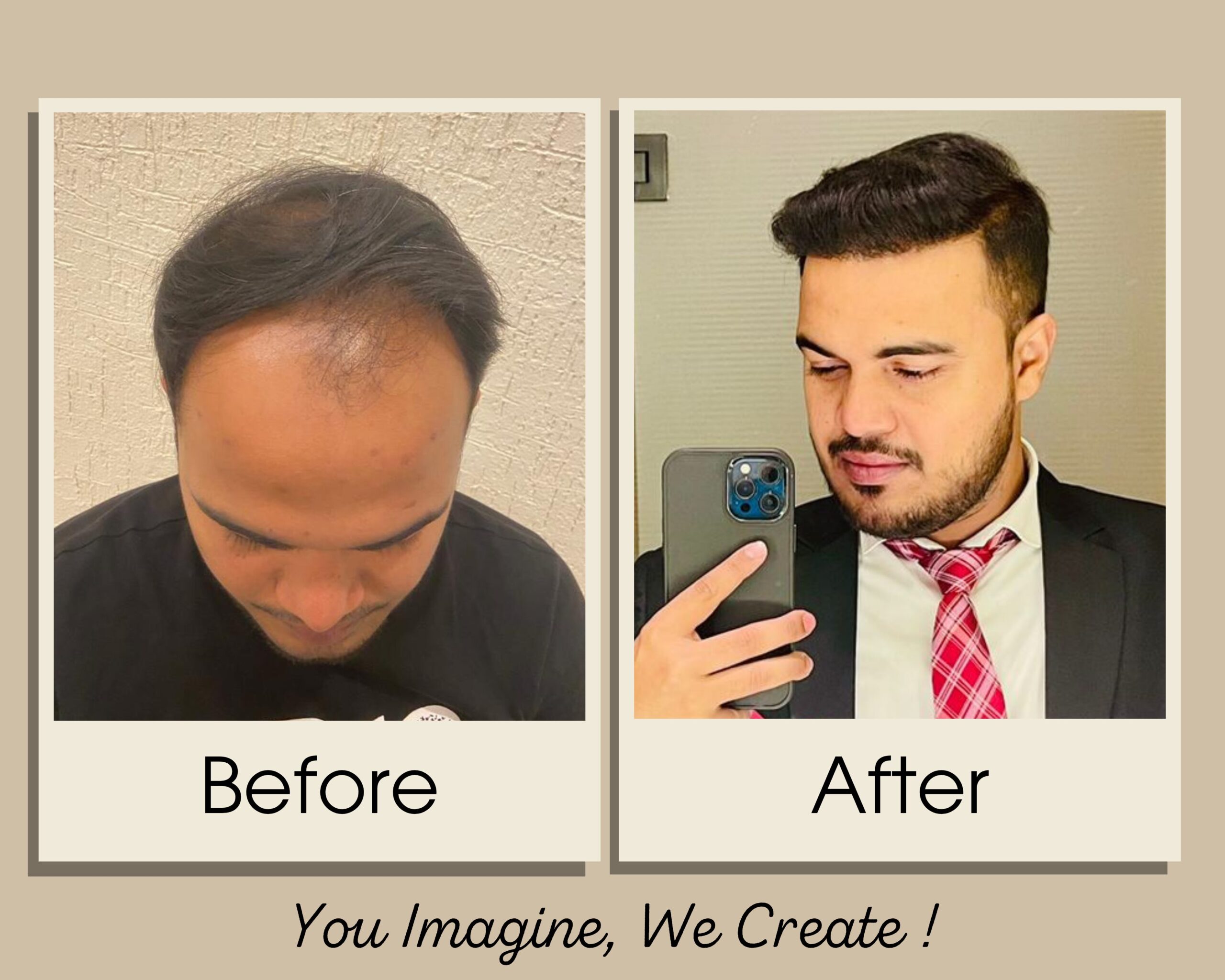
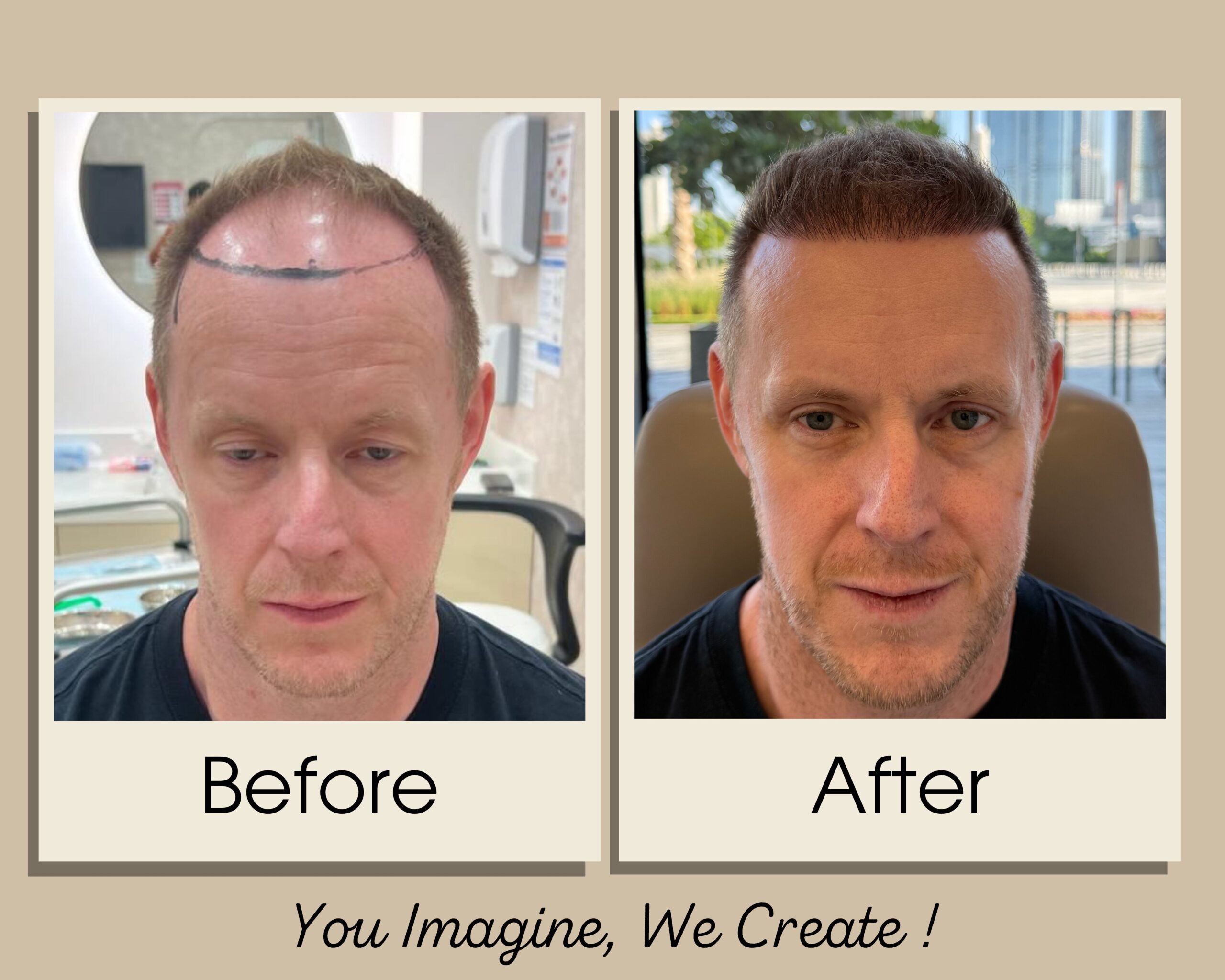
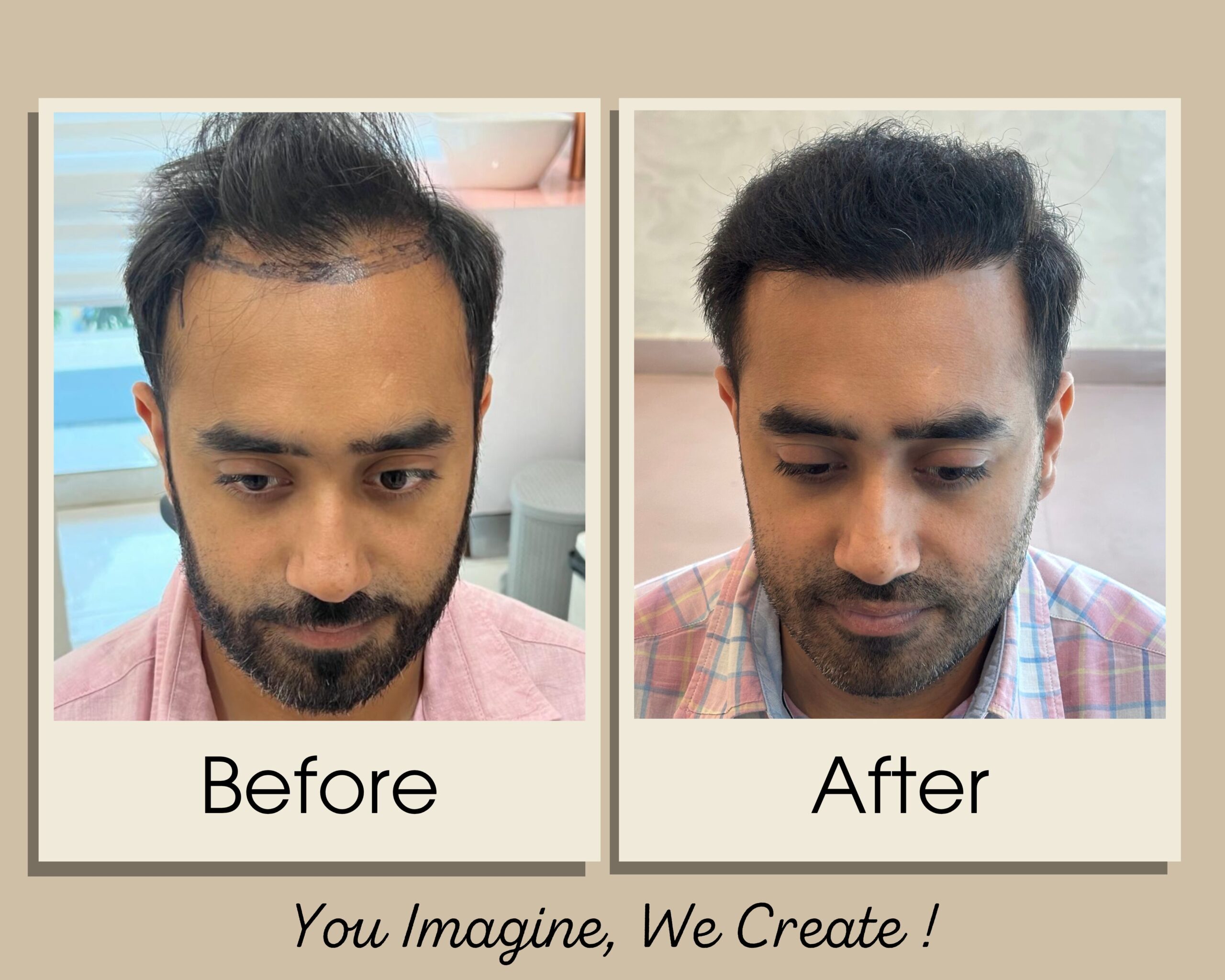
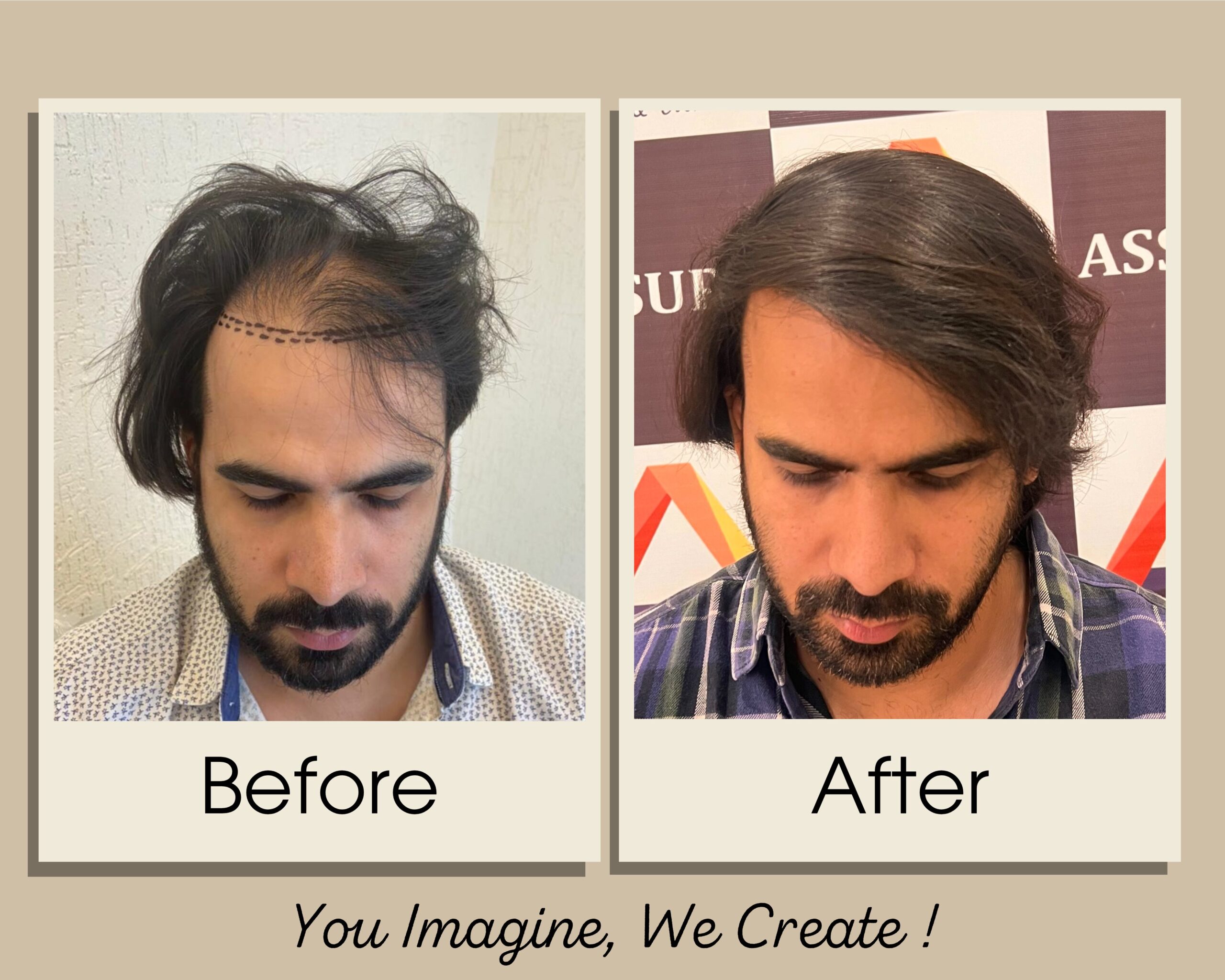
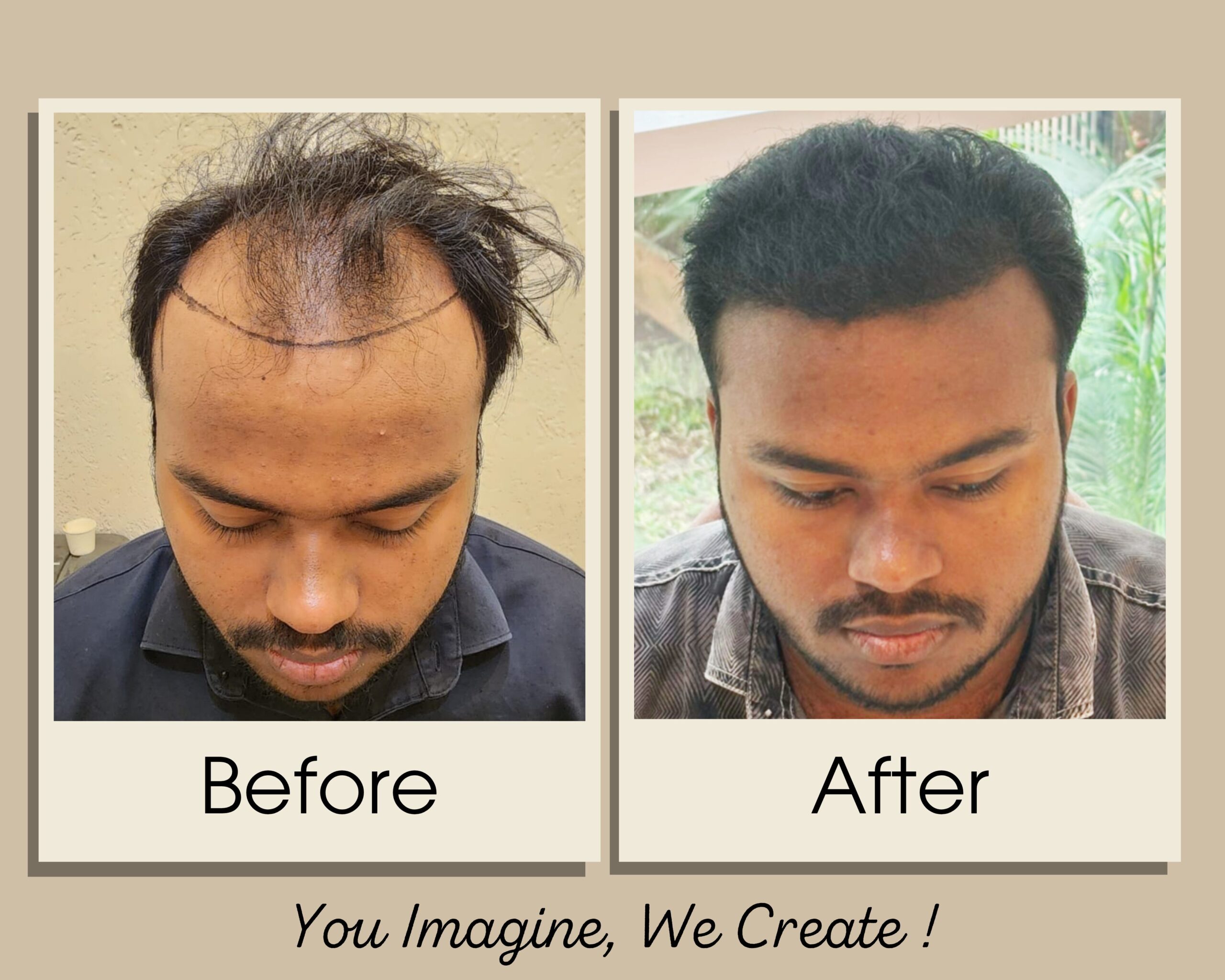
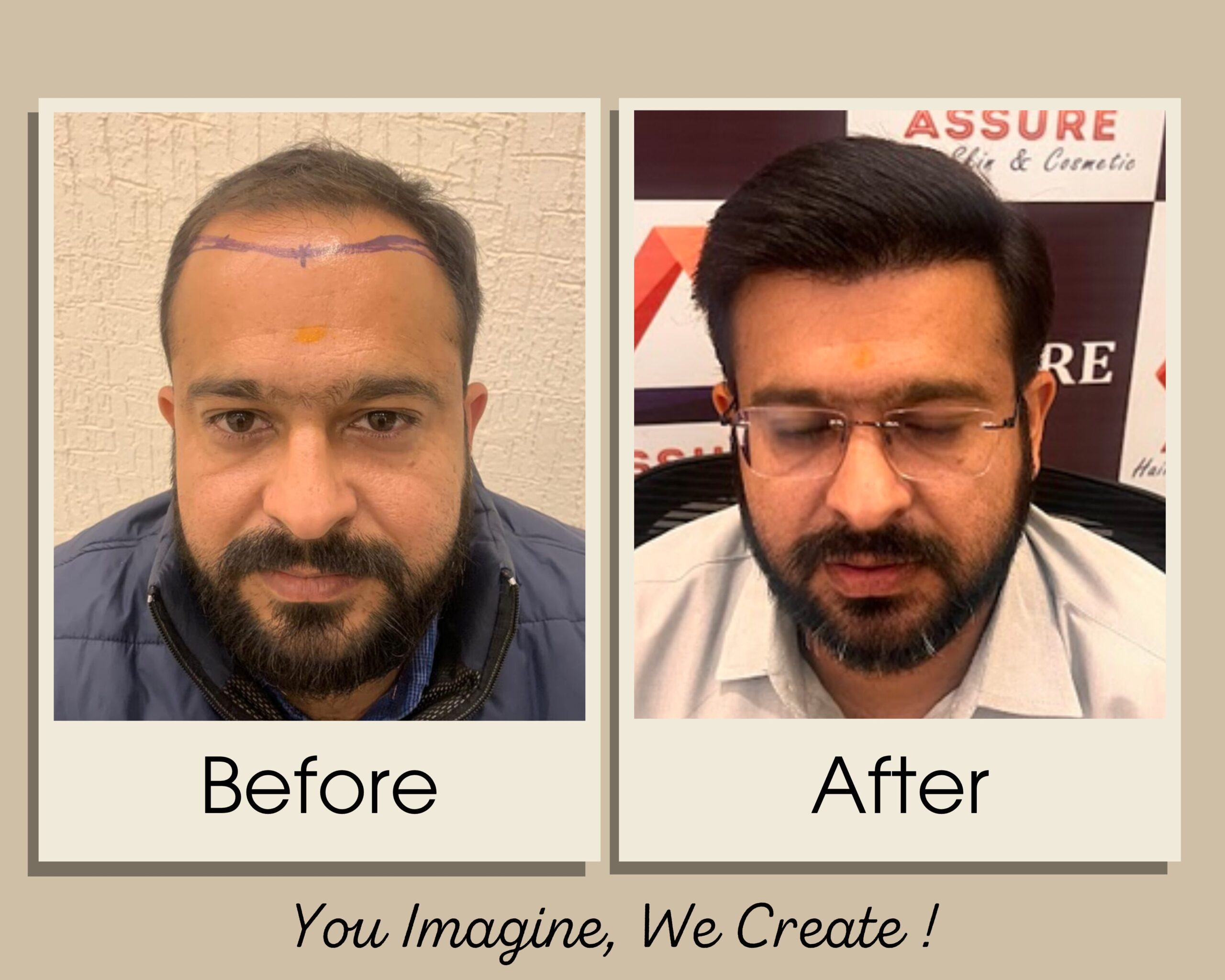
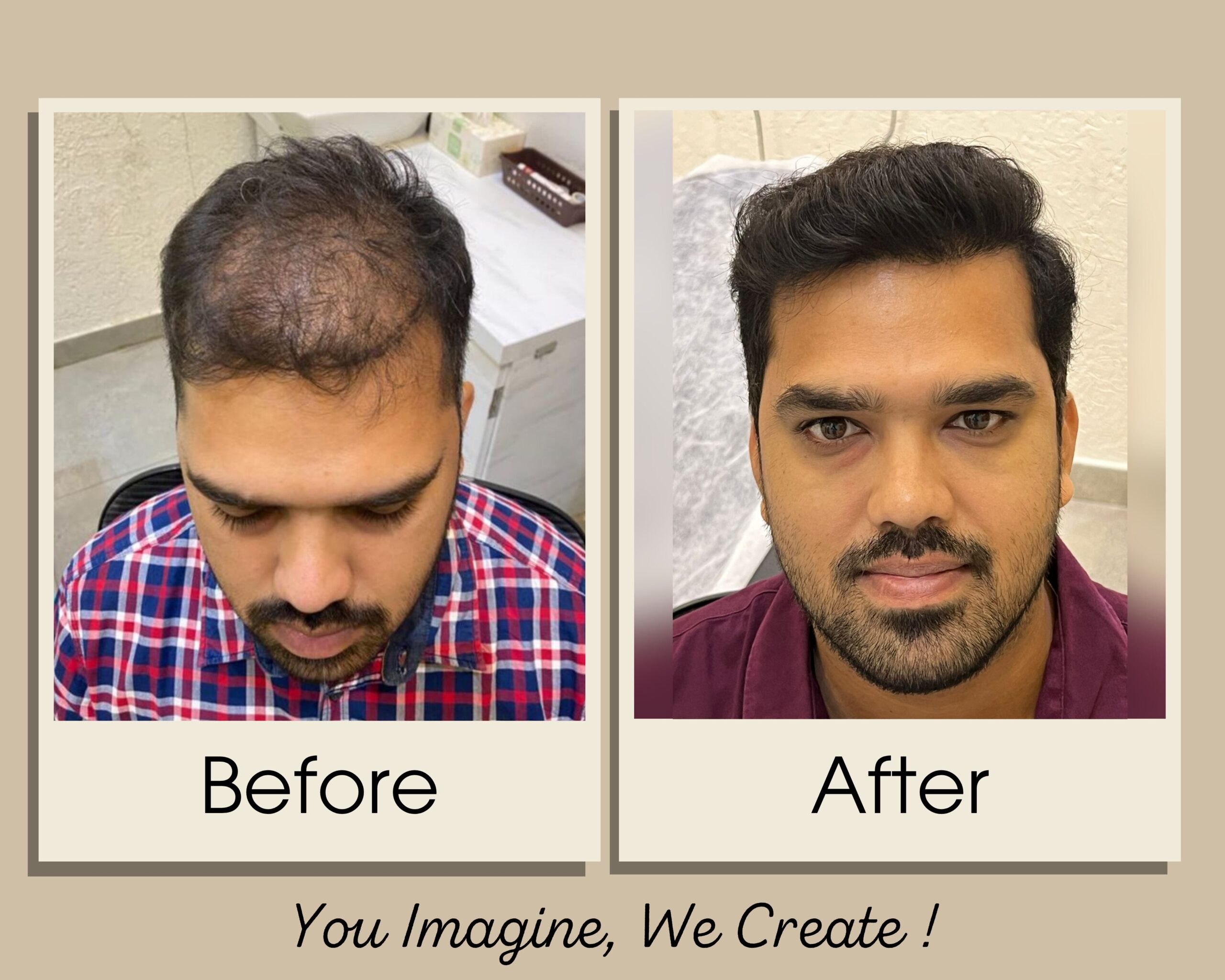
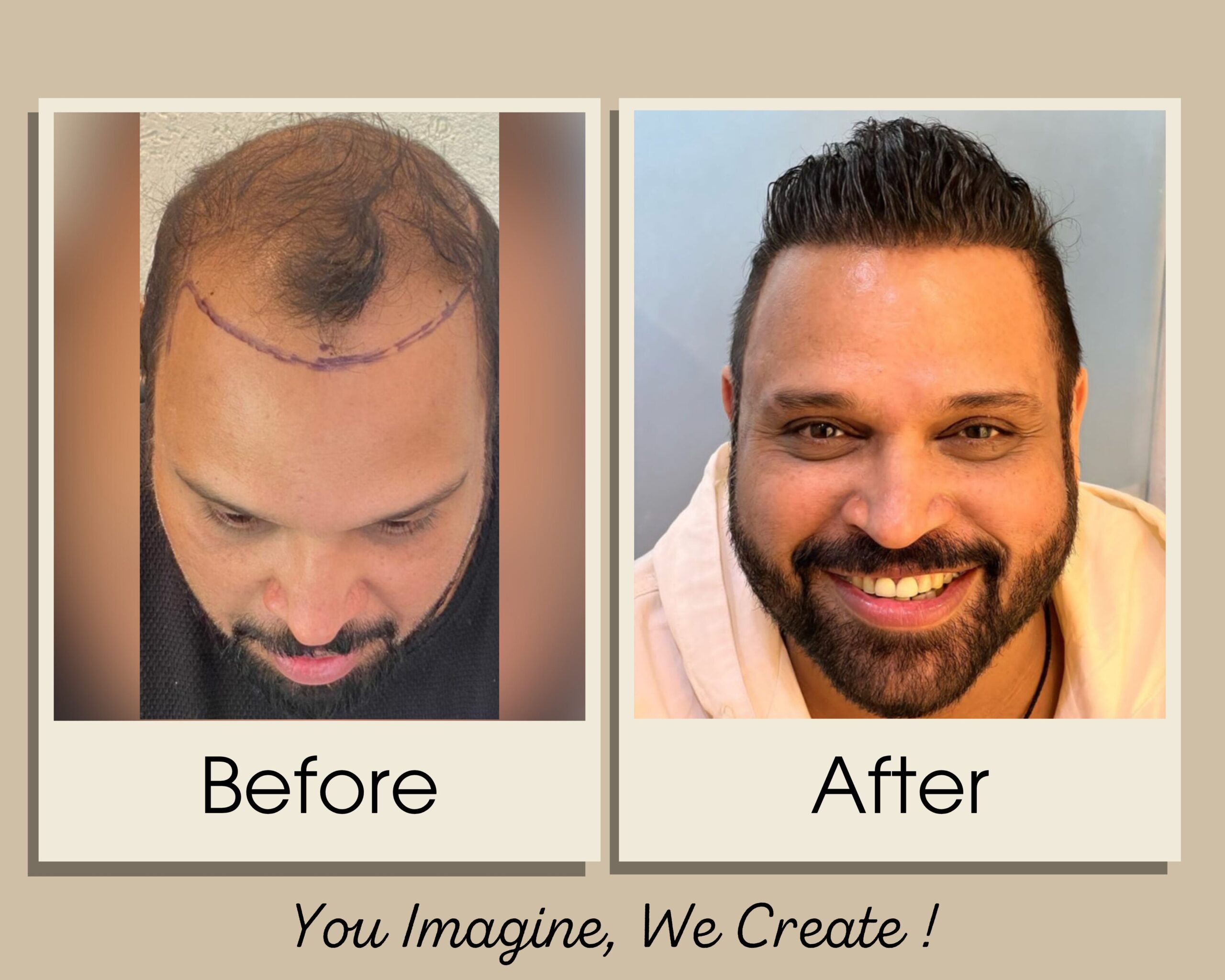
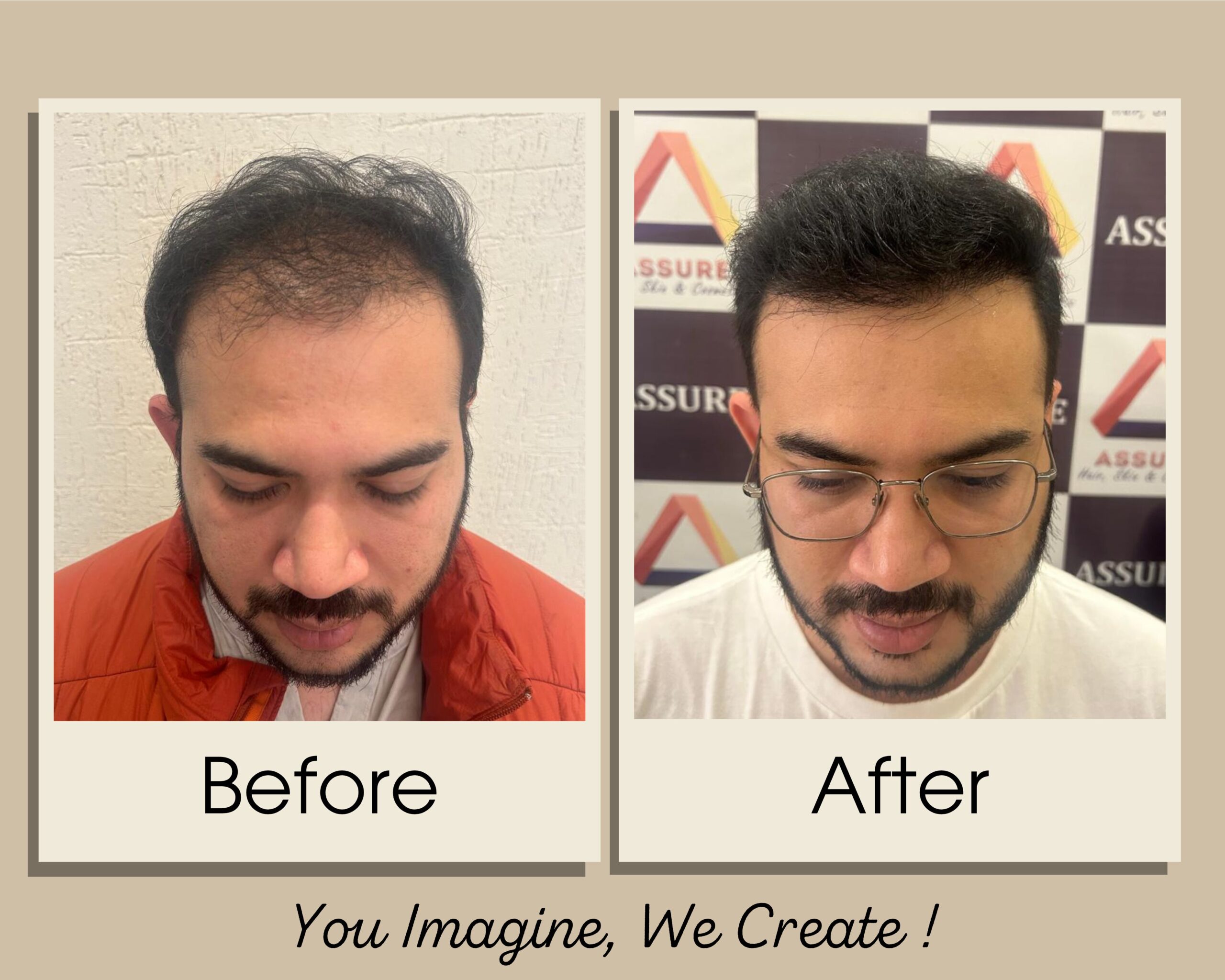
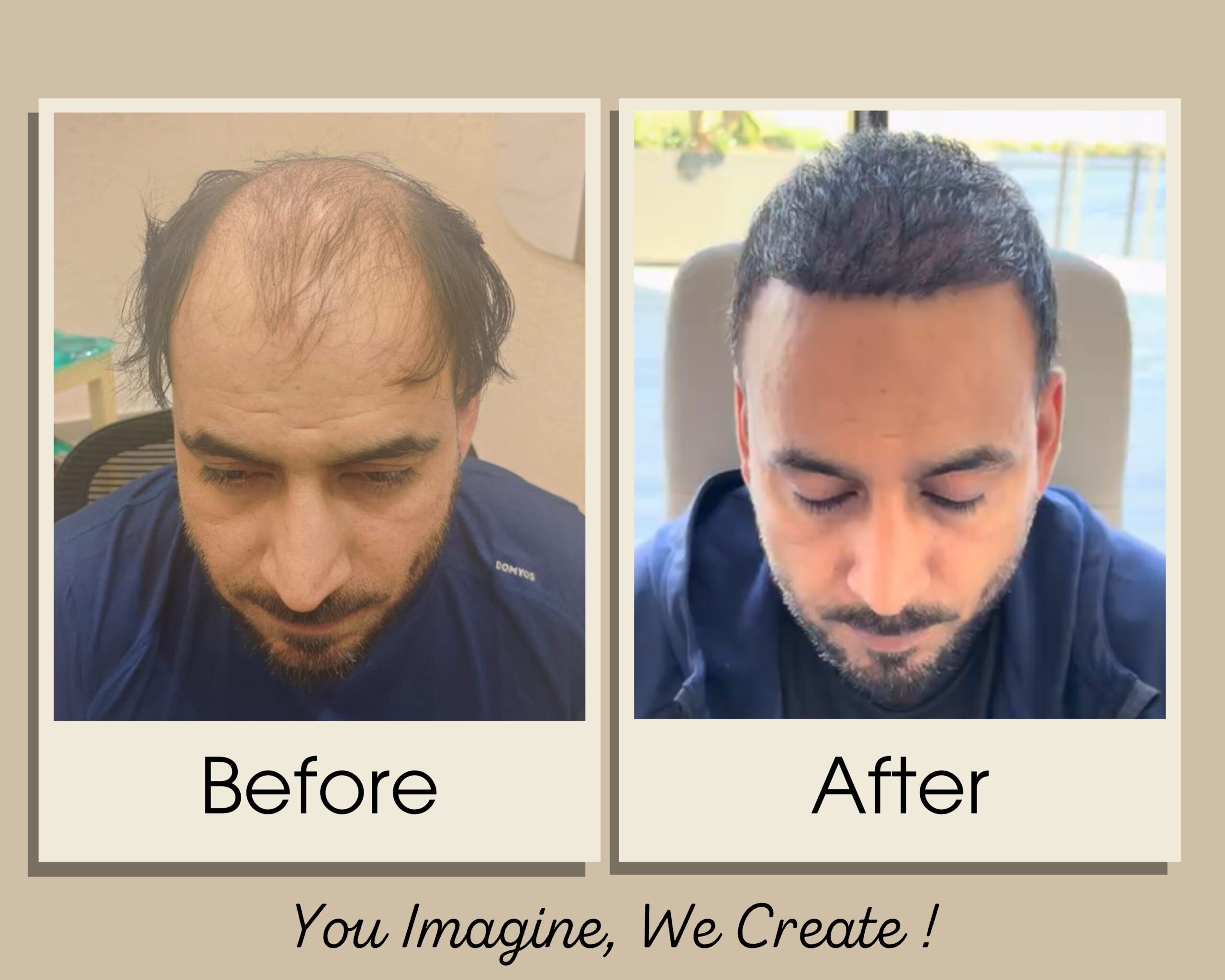
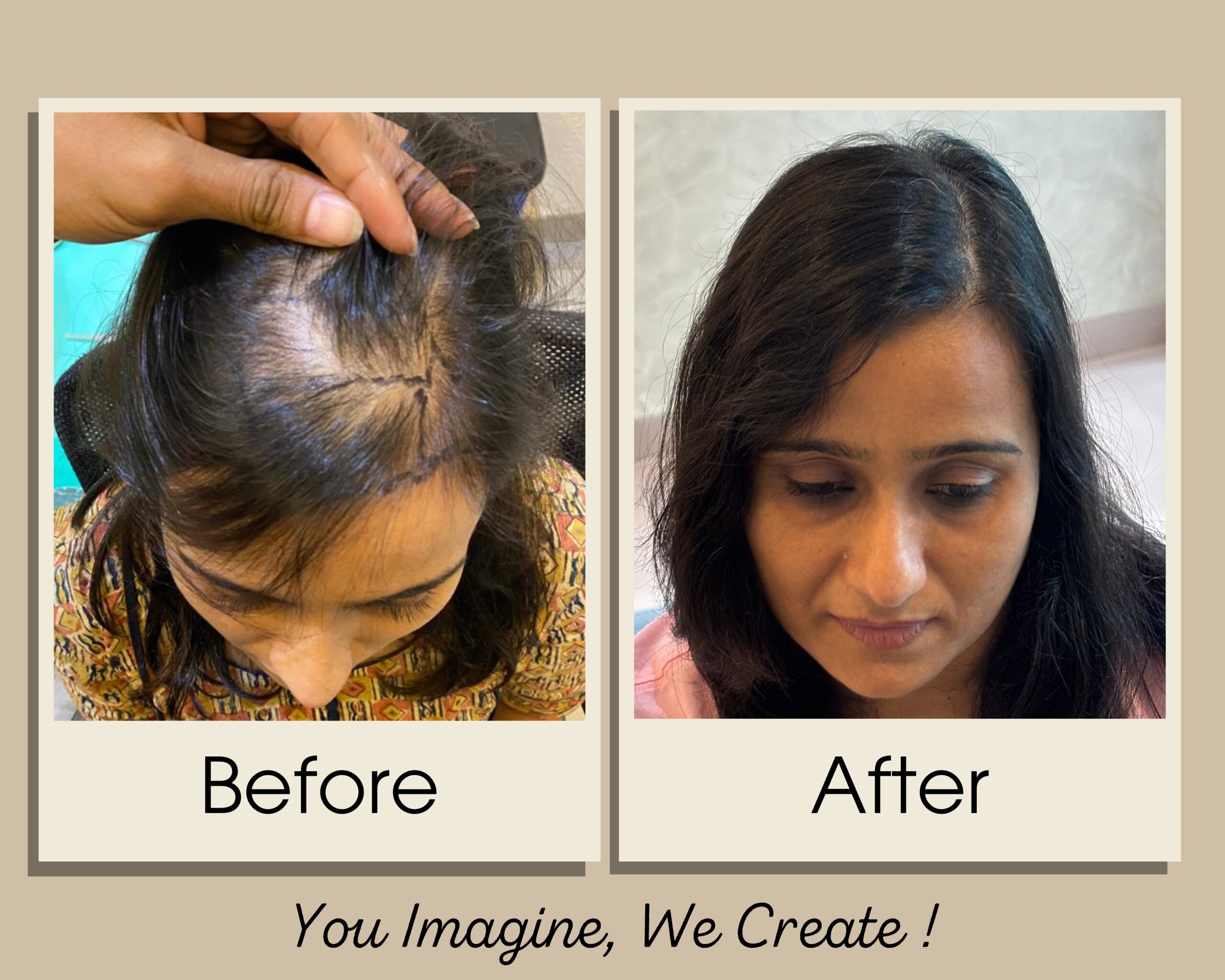
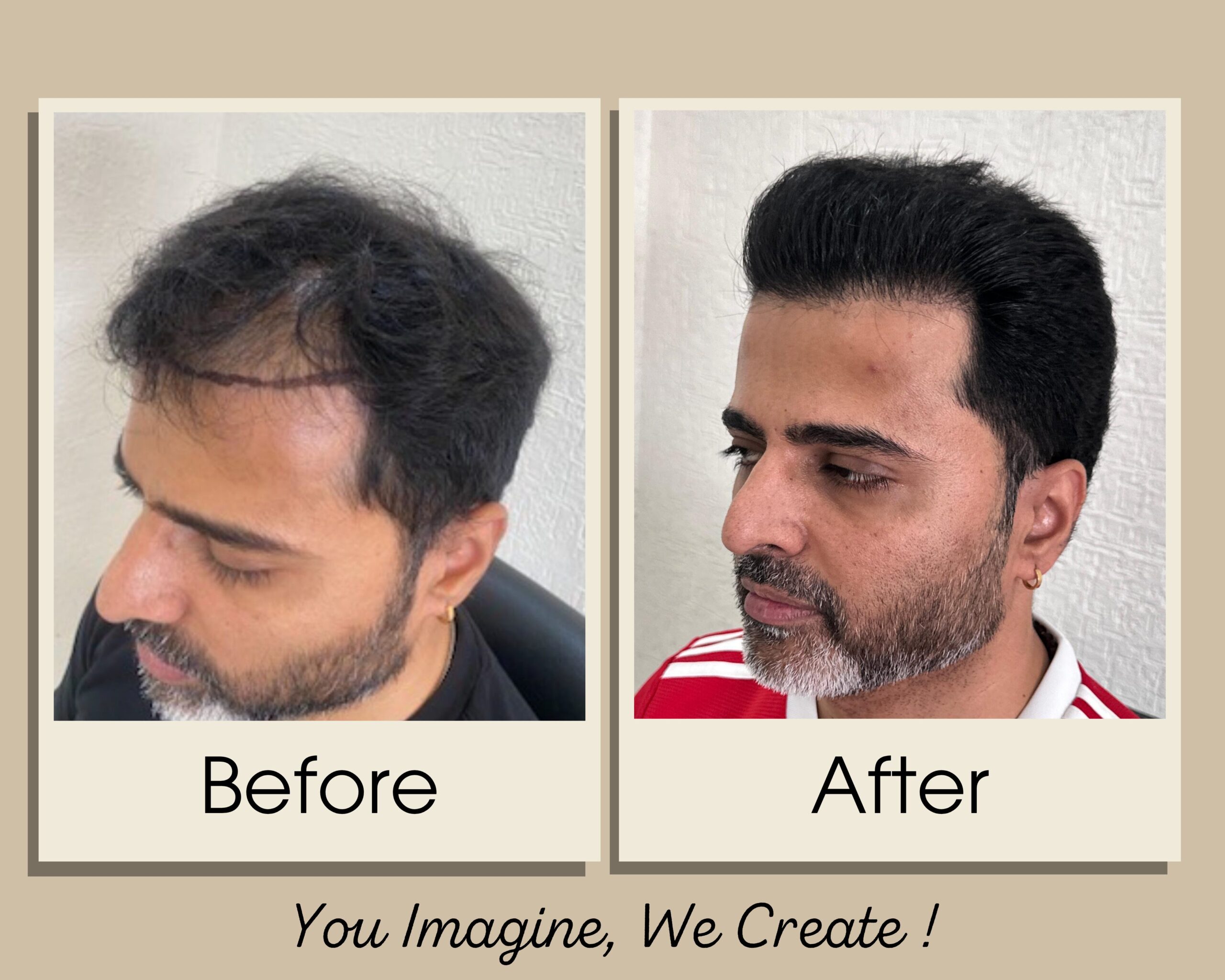
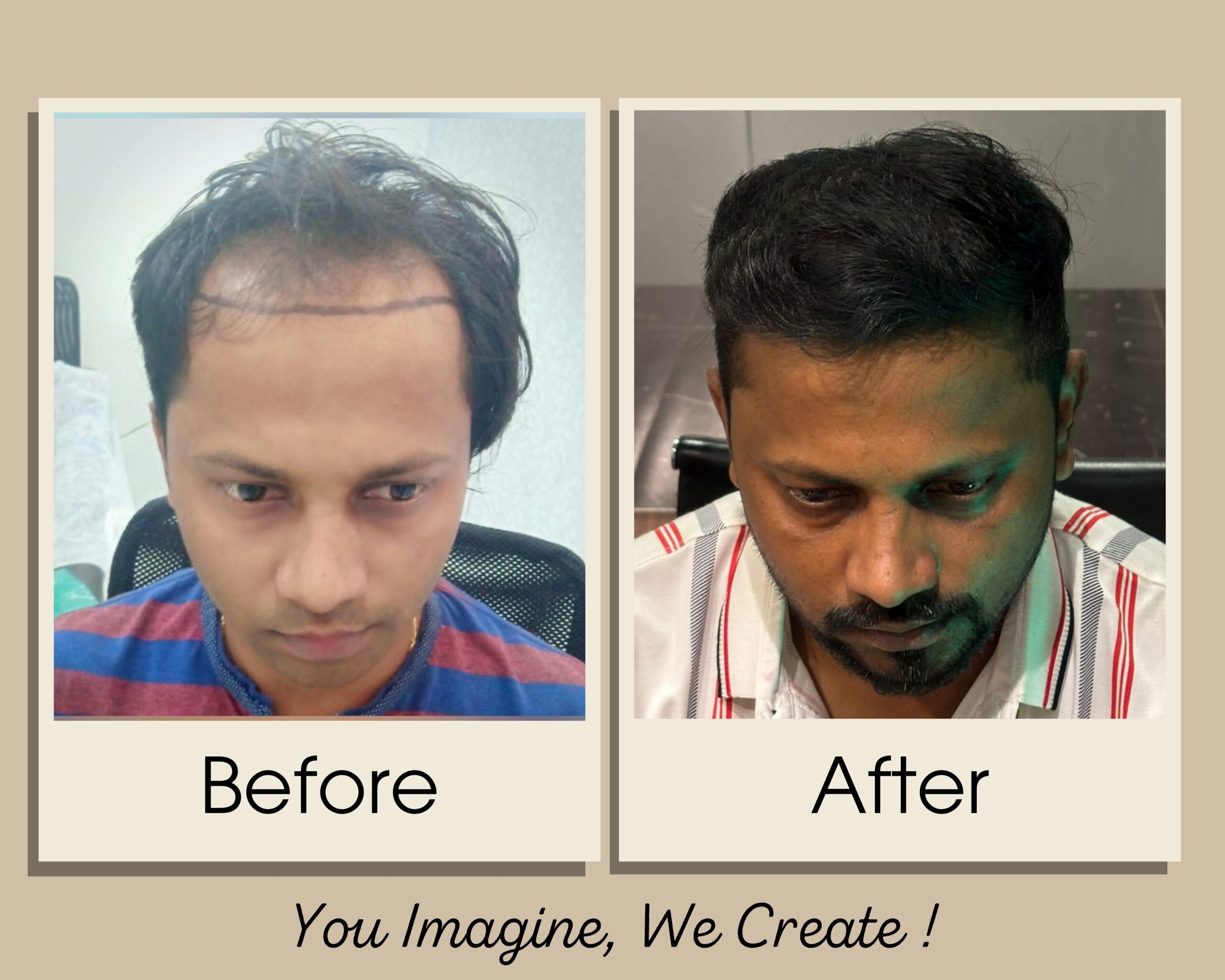
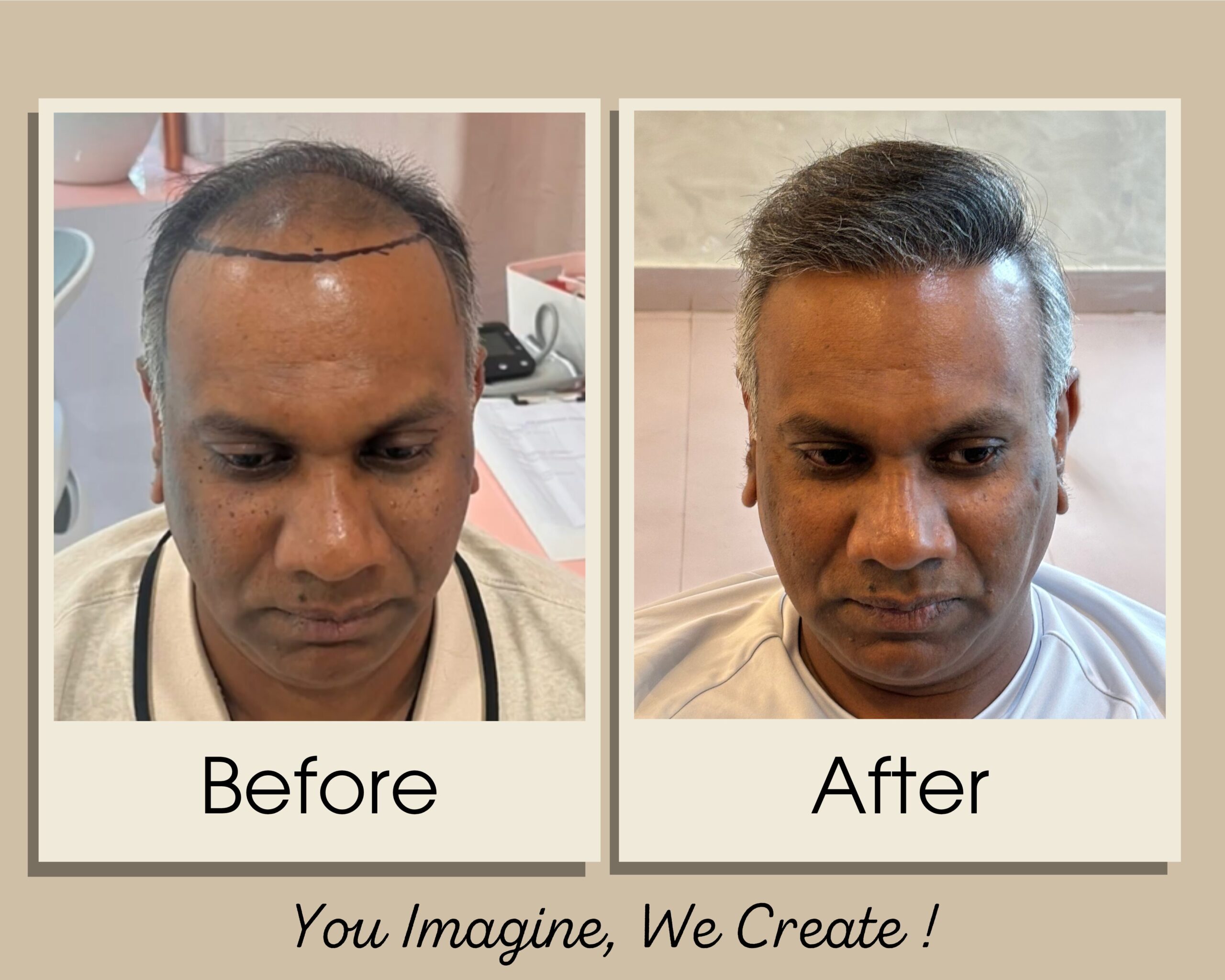
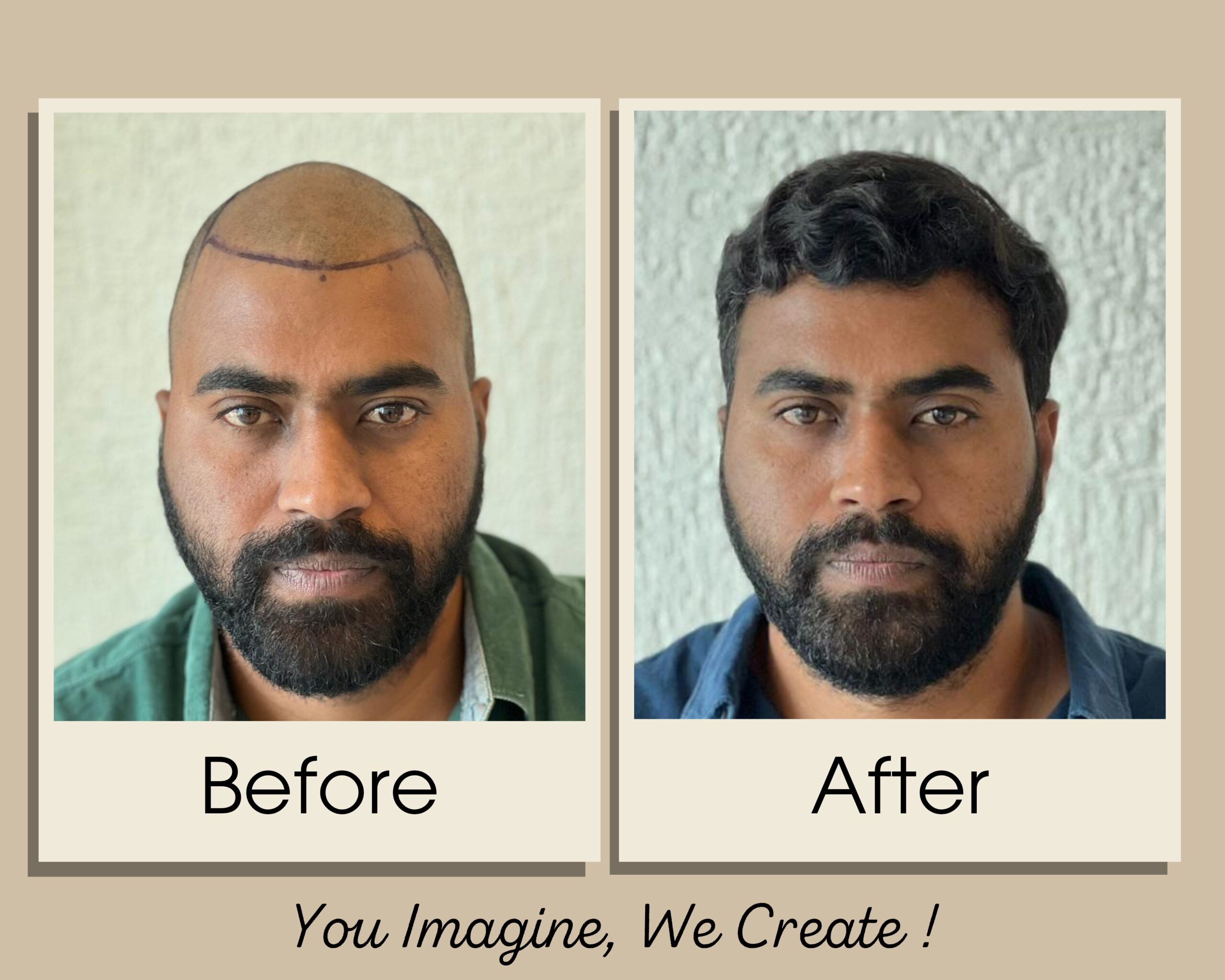
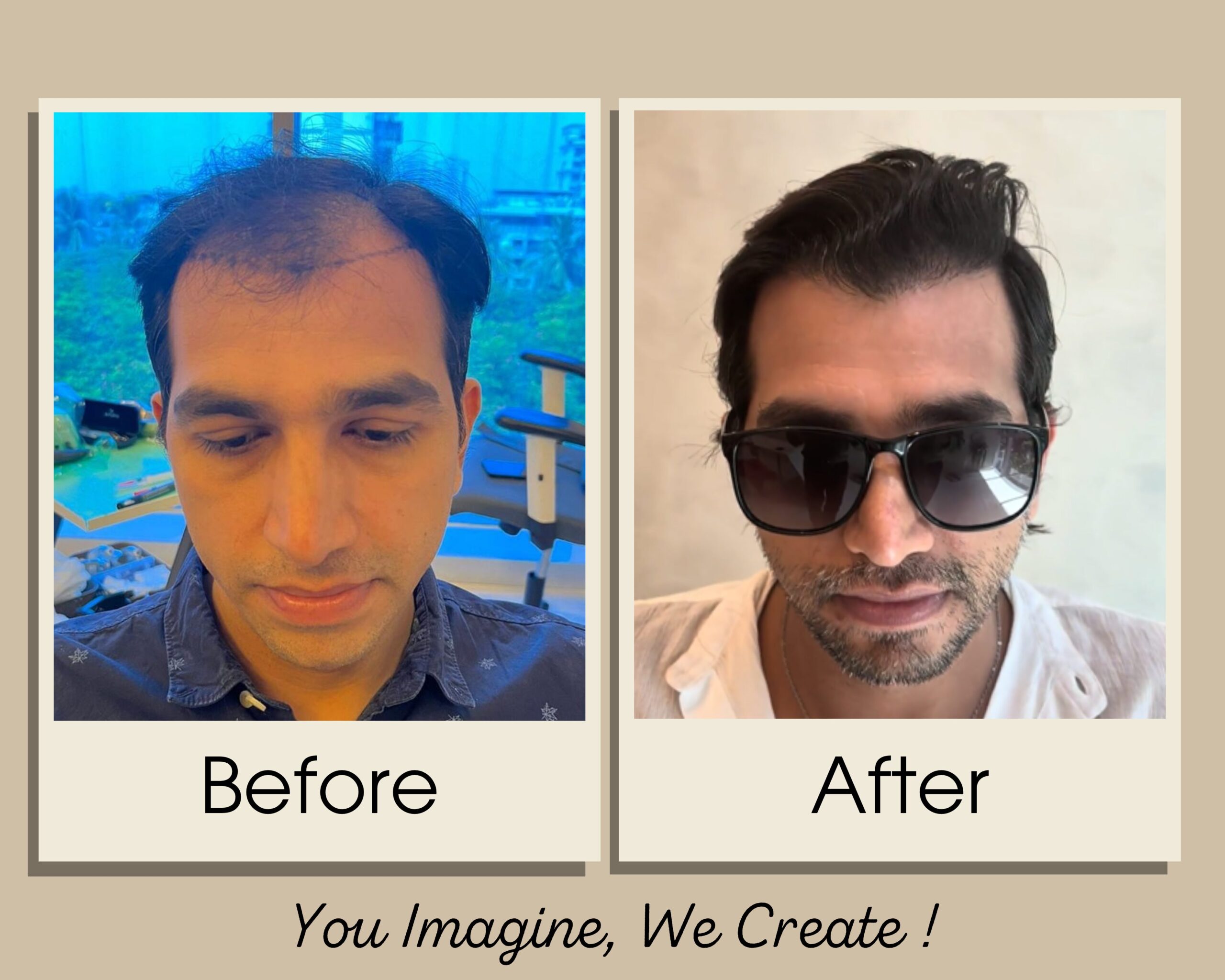
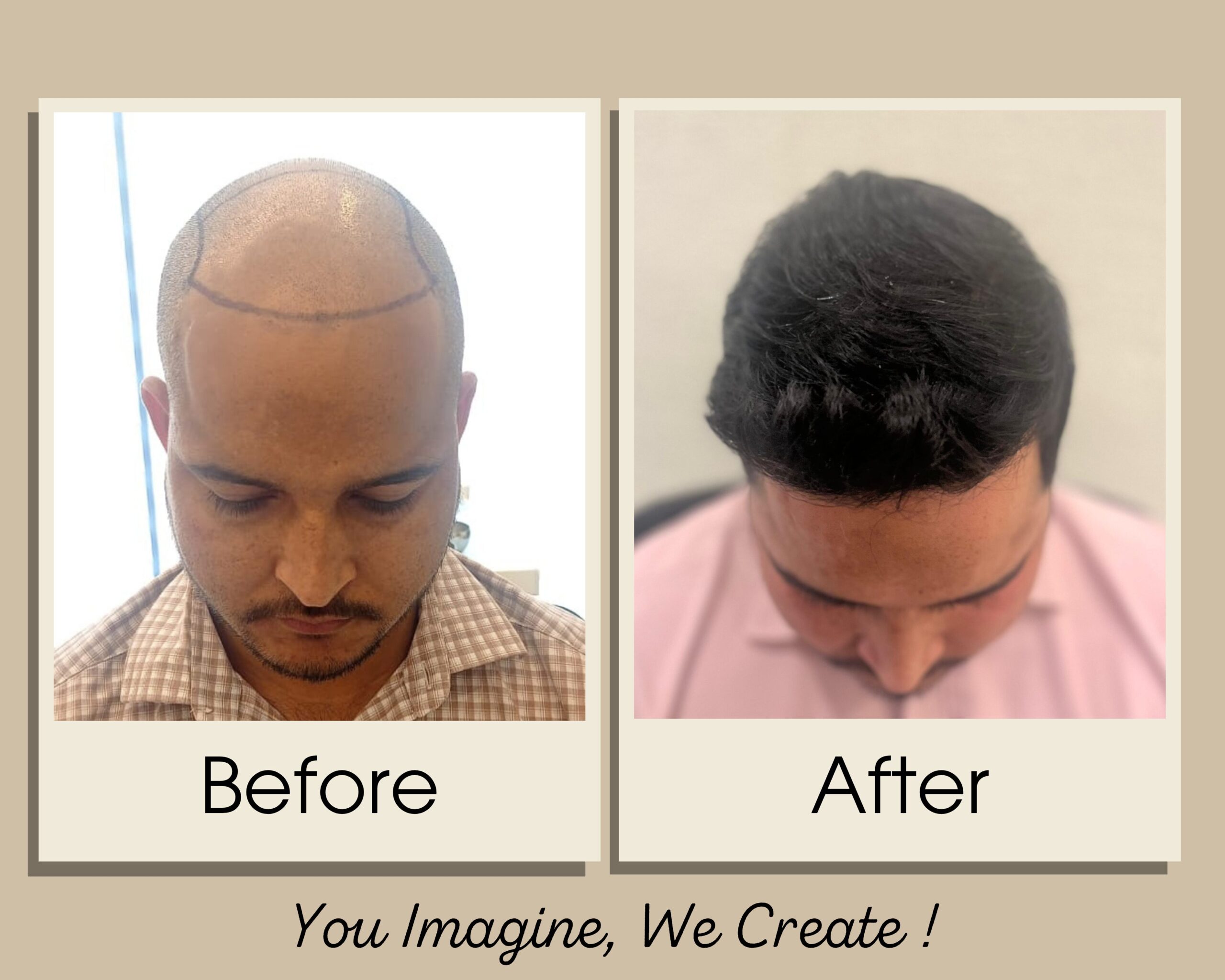
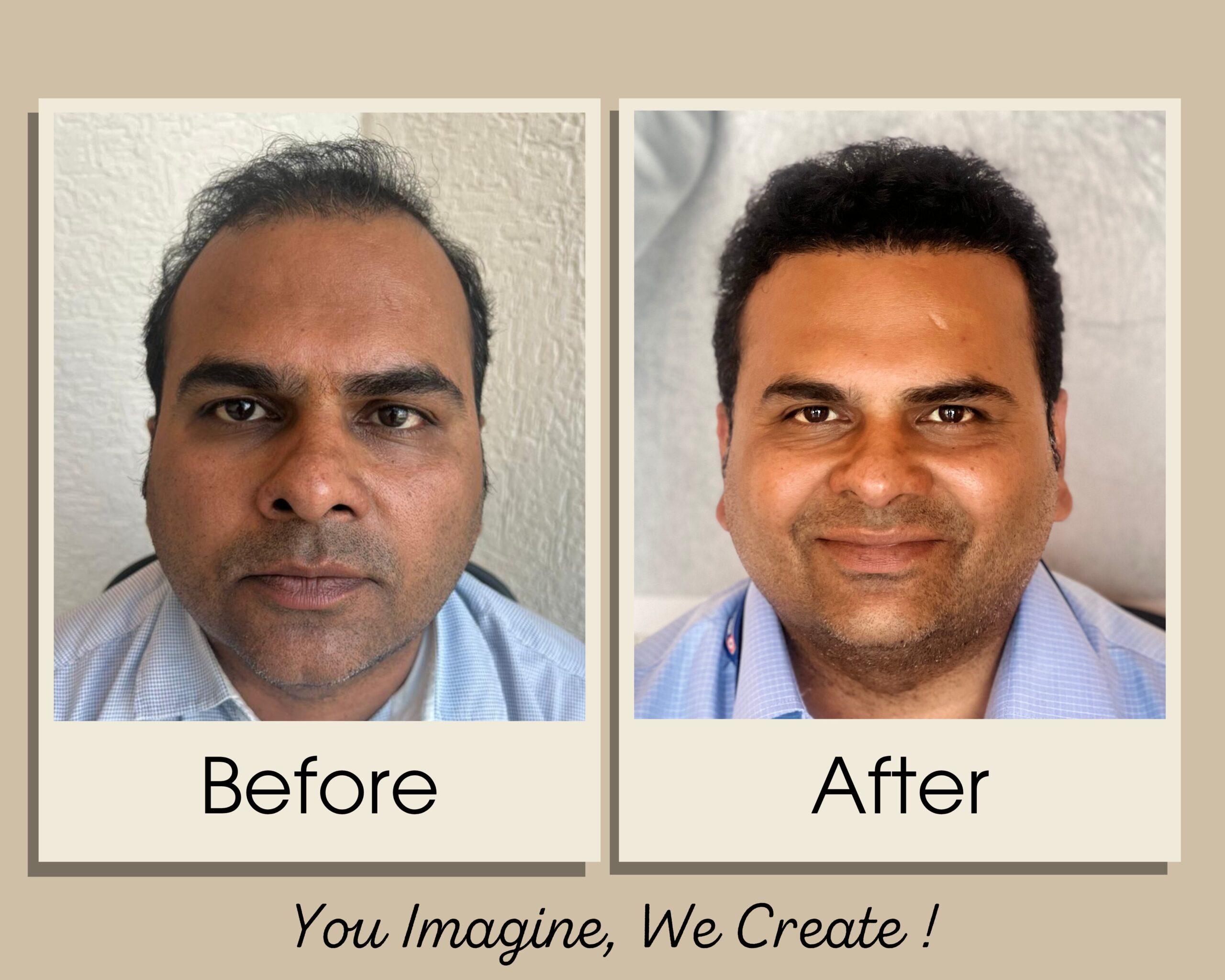
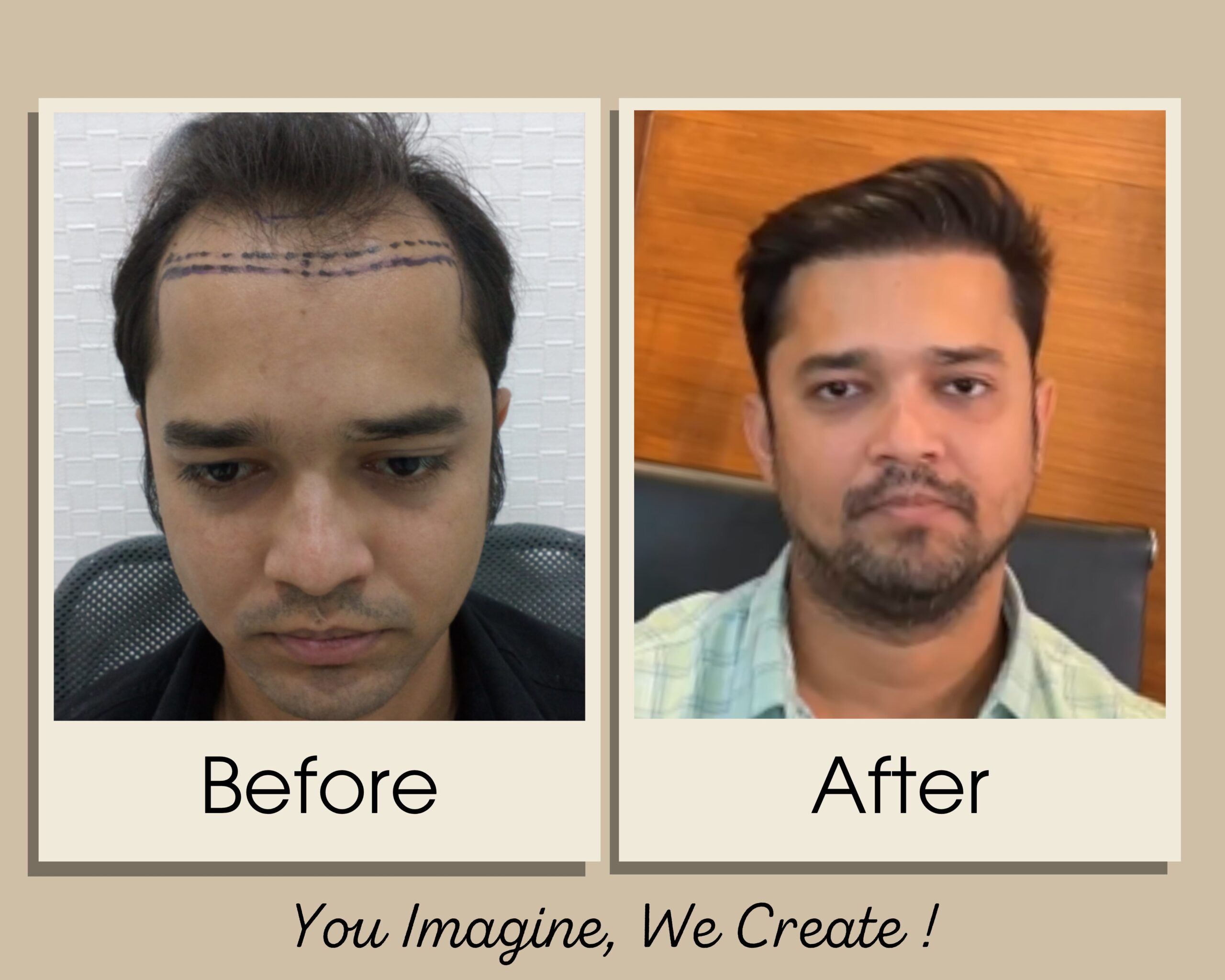
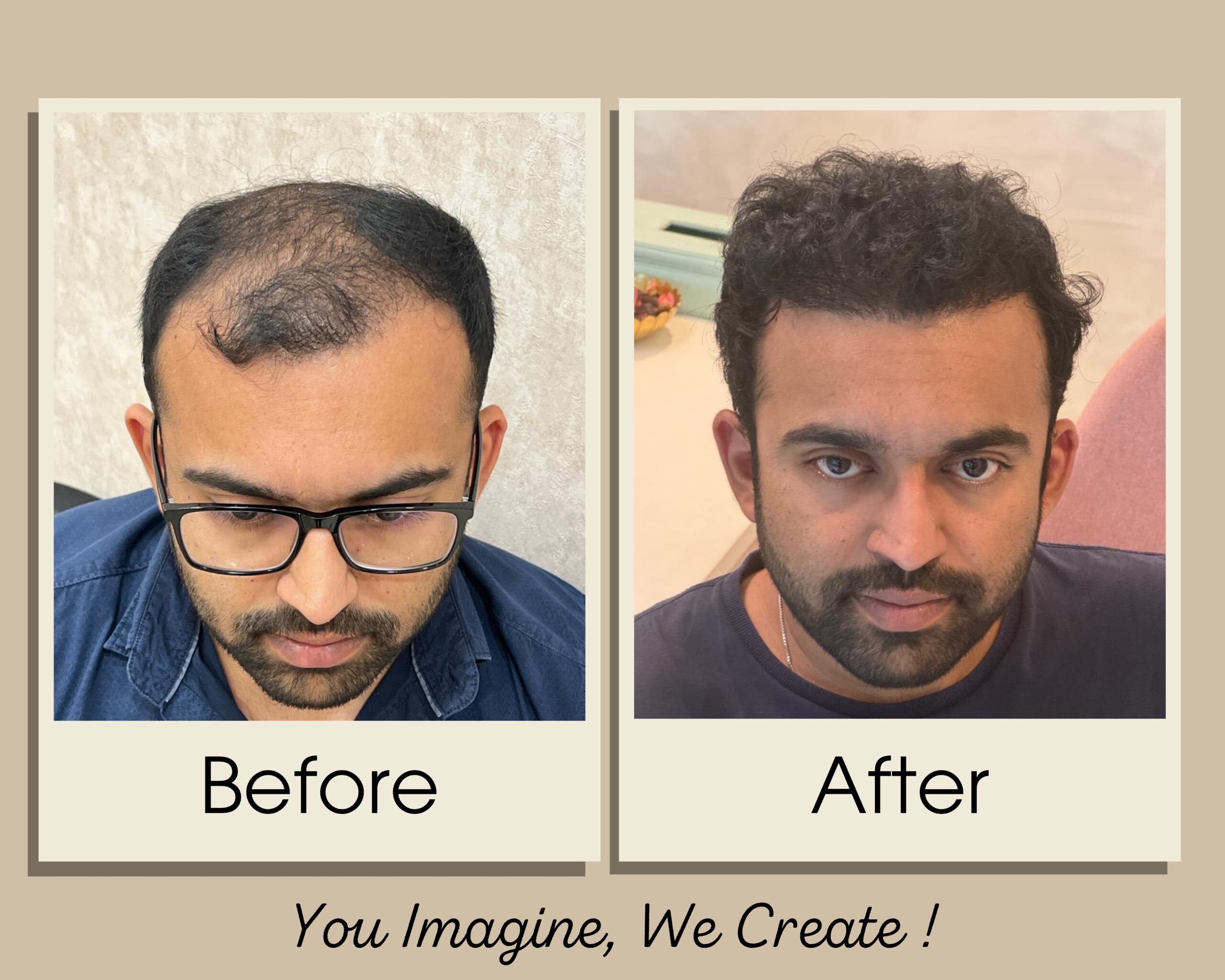
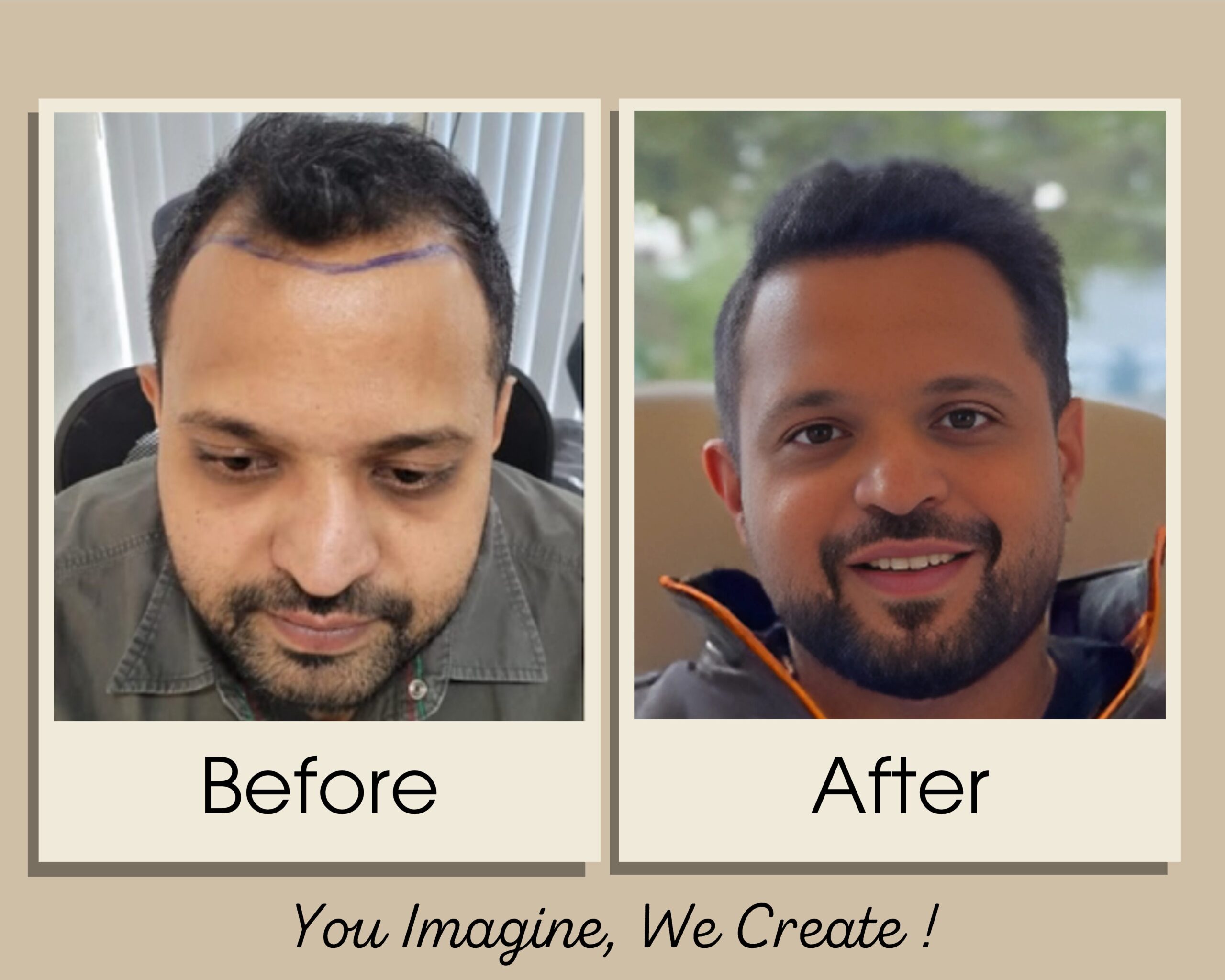
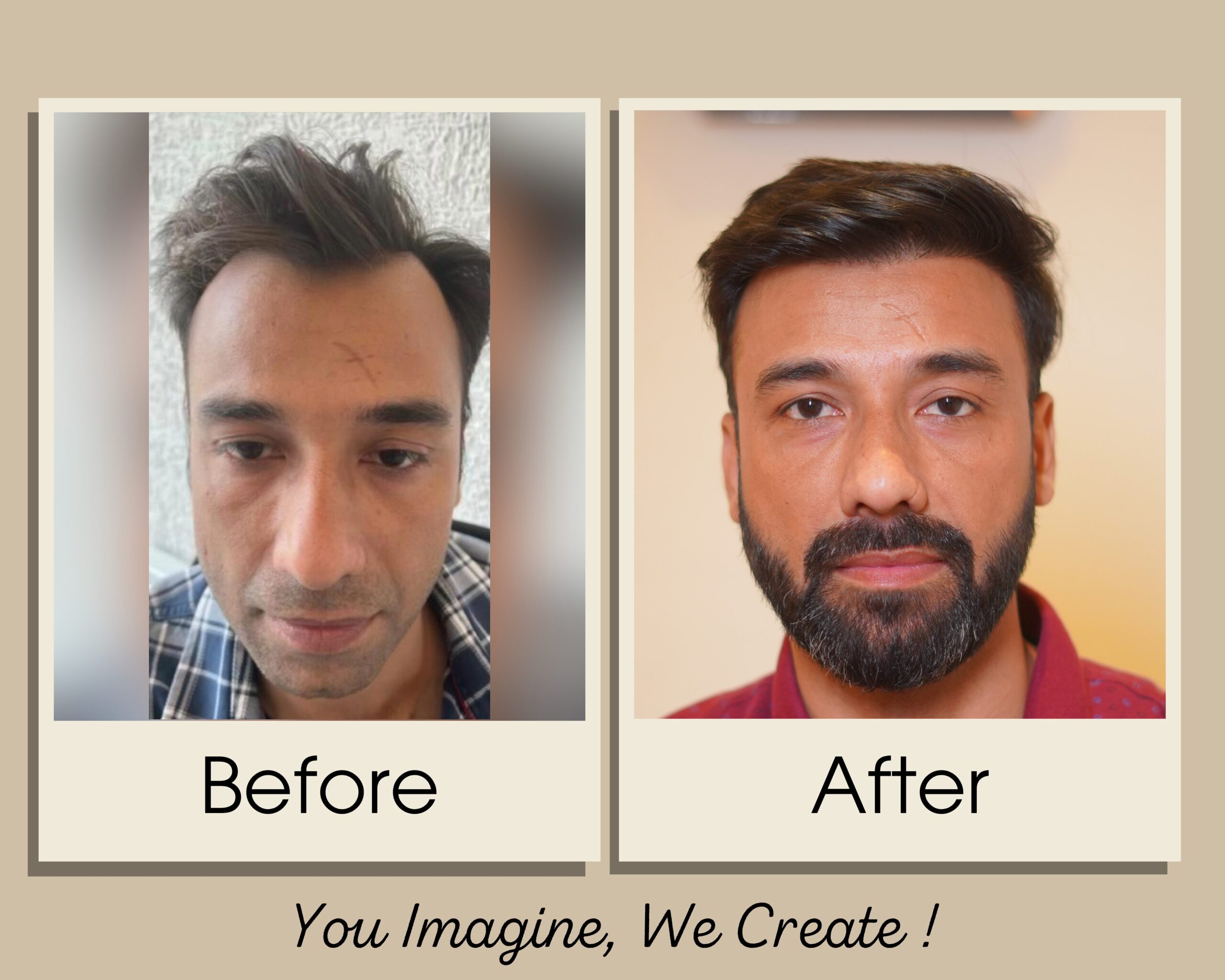
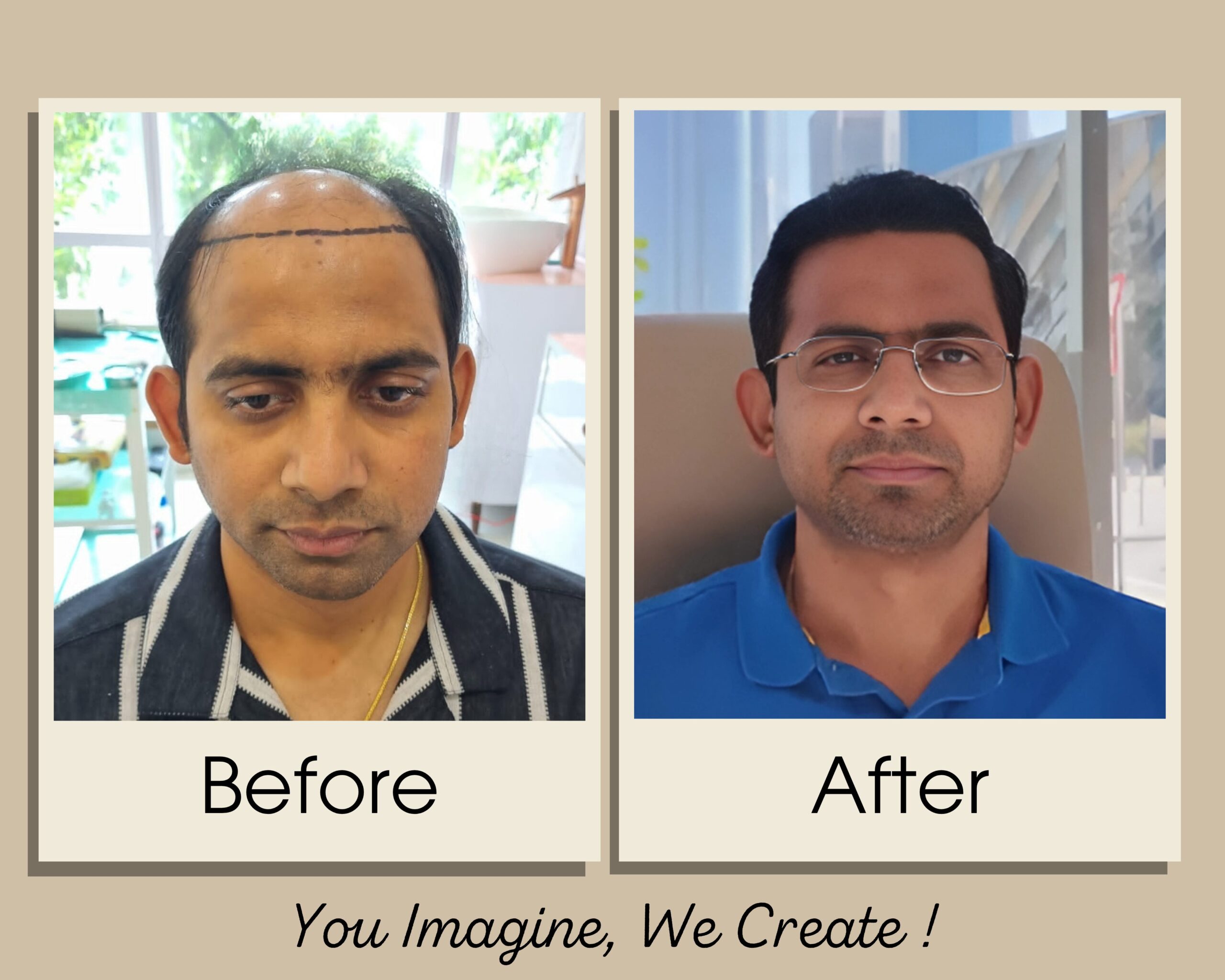
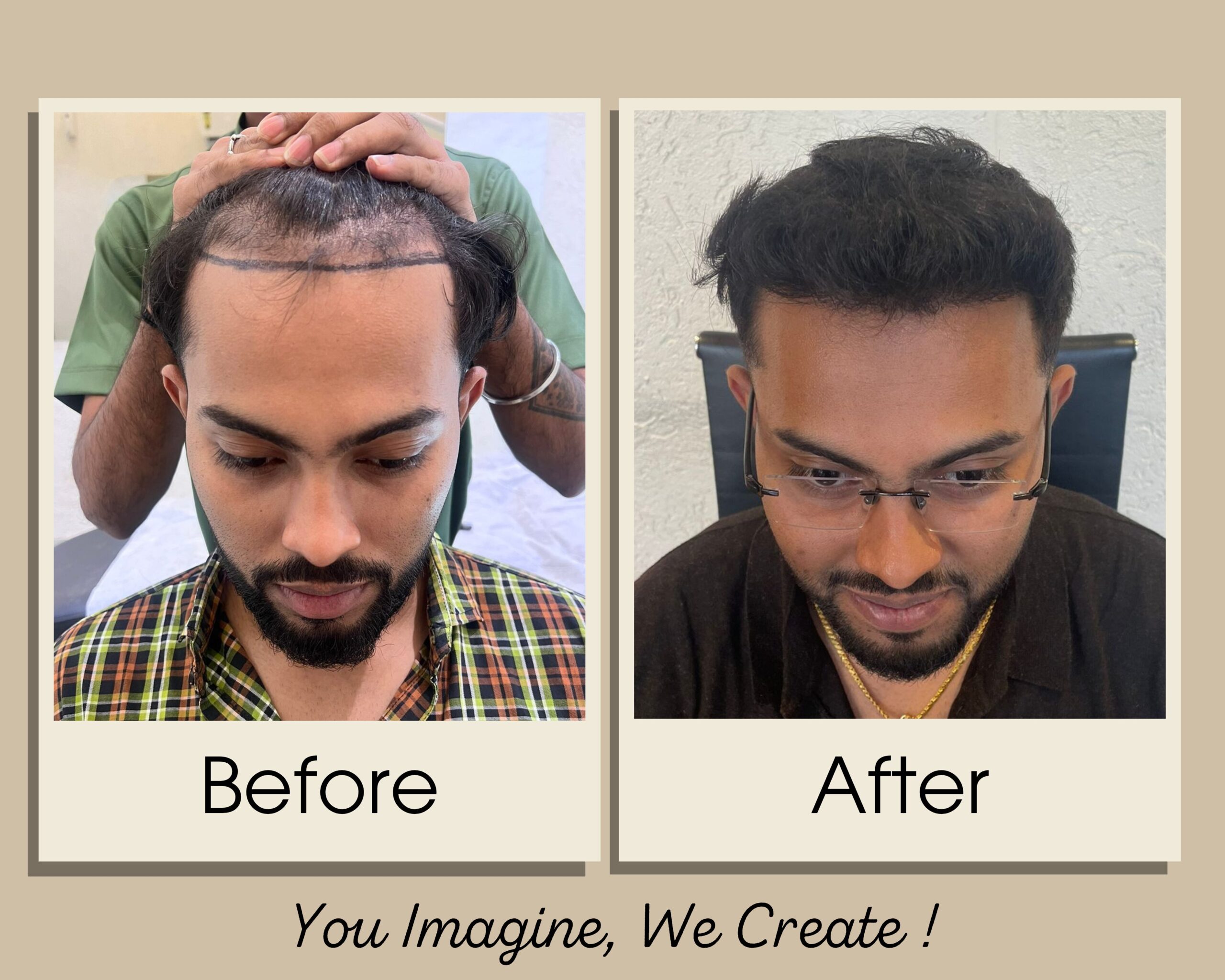
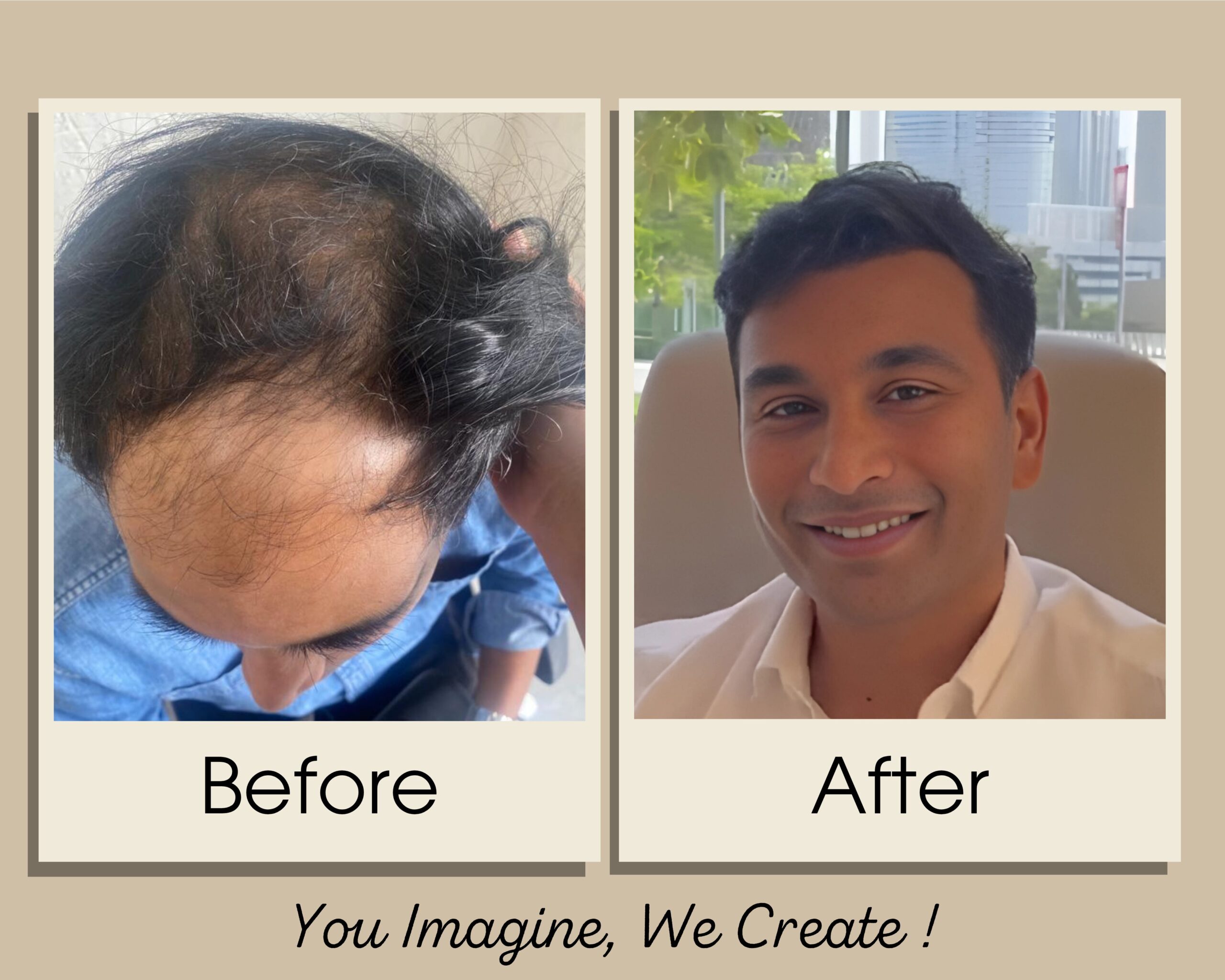
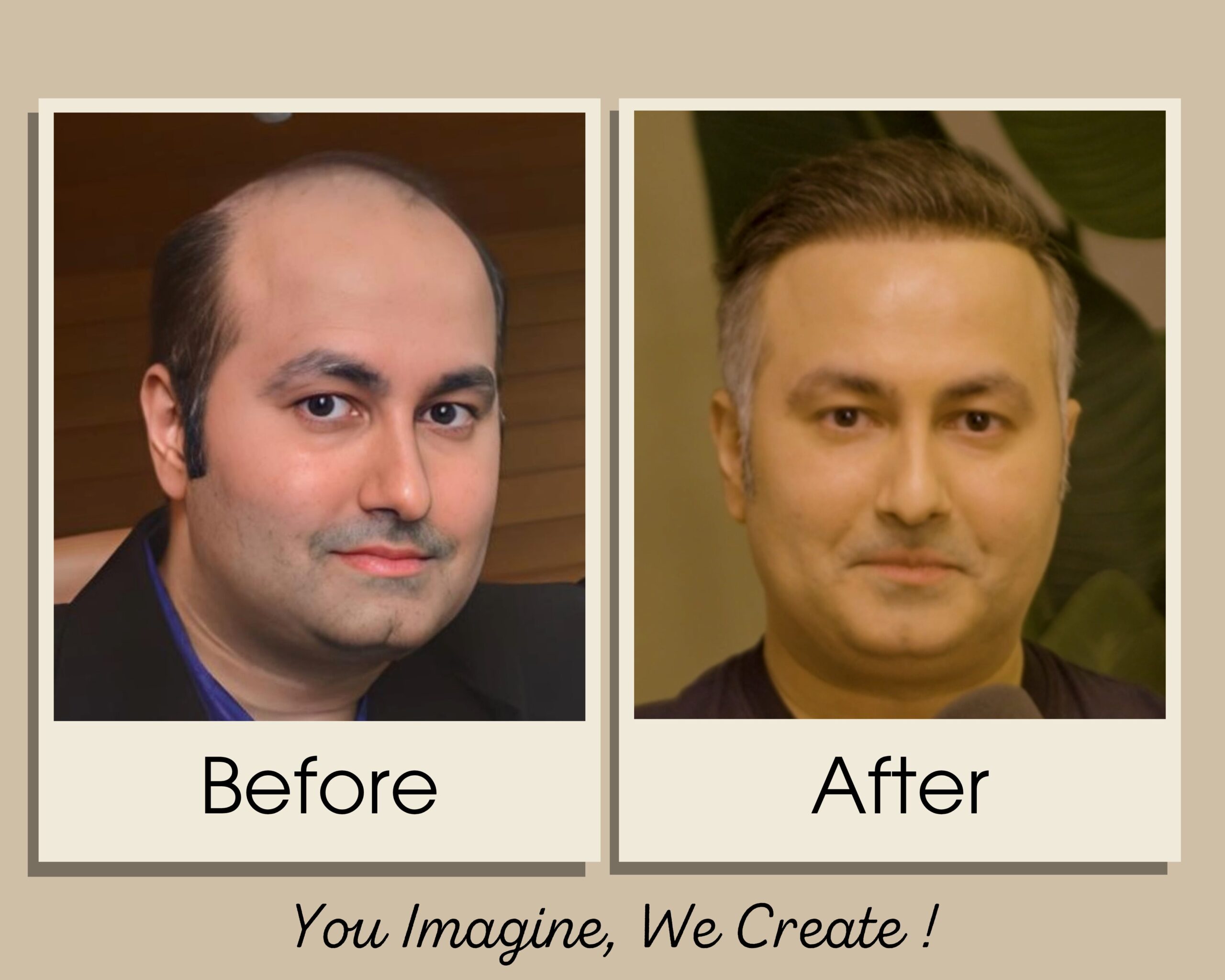
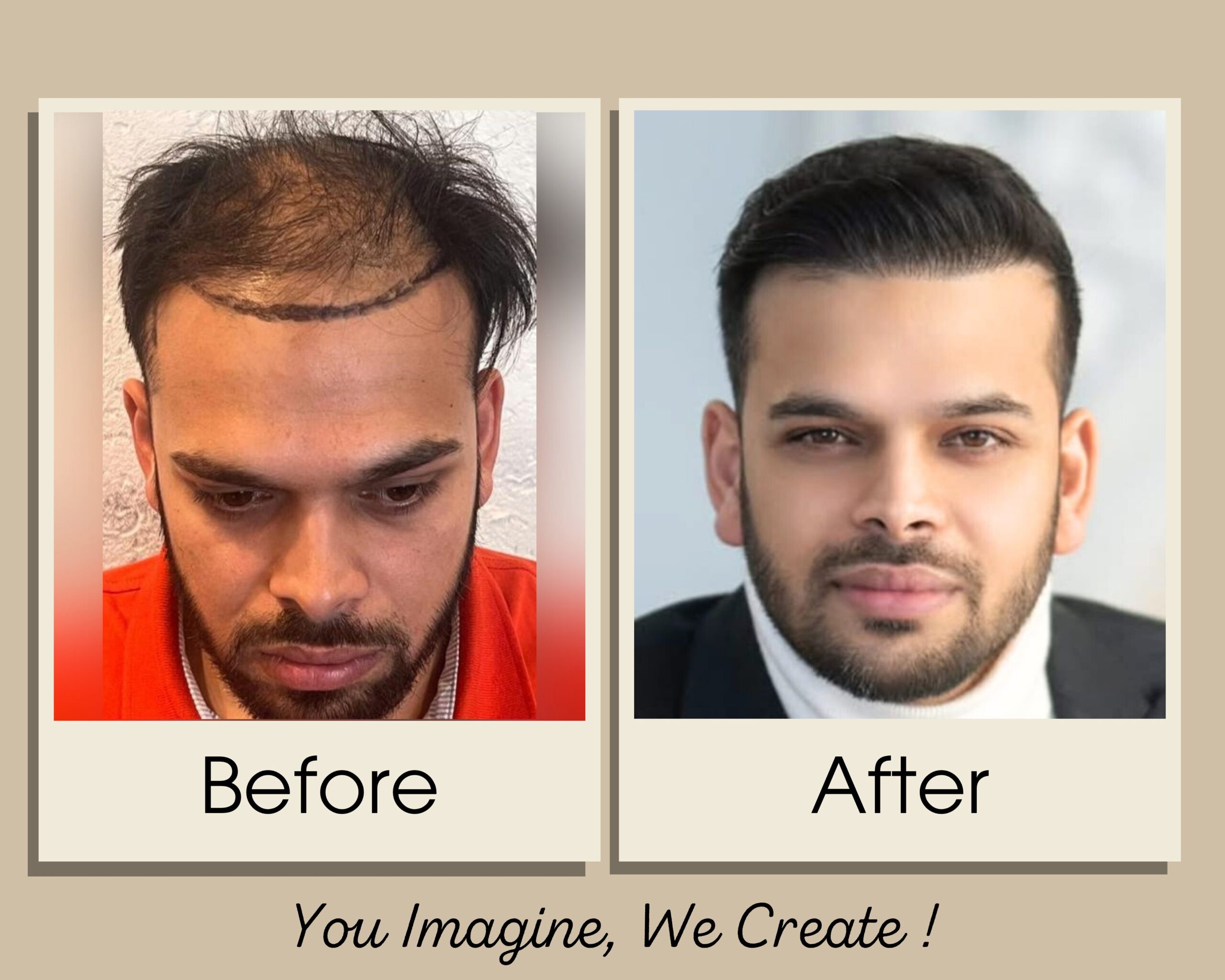
Explore our UHDHT technique — combining UFME extraction & DSHI implantation — with before & after results, and book your consultation.
Before & After Results
See the incredible transformations achieved by our patients.





Frequently Asked Questions
Get answers to your most common questions about hair loss.
Yes, chronic stress can lead to a condition called telogen effluvium, where hair prematurely enters the shedding phase of the growth cycle. Managing stress through relaxation techniques can reduce this type of hair loss.
Yes, in most cases, hair loss is permanent. Hair transplant surgery is the only effective, long-term solution to restore lost hair by transplanting healthy follicles to thinning or bald areas.
For medications like minoxidil and finasteride, visible results typically take 3 to 6 months. Hair transplant results can take 6 to 12 months to fully appear.
Natural remedies can help reduce hair fall and improve hair health, but they cannot reverse permanent hair loss. A consultation with a qualified doctor can help determine the best treatment approach for your specific condition.
What's Your Hair Loss Grade?
Take our 2-minute baldness assessment to identify your Norwood class and get personalised treatment recommendations from our qualified doctors.
Take the Assessment