Key Takeaways
- Iron deficiency is the most common nutritional cause of hair loss worldwide, affecting nearly 1 in 3 women of reproductive age (World Health Organization, 2023).
- A serum ferritin level below 30 ng/mL is strongly associated with increased hair shedding, even when hemoglobin remains in the normal range (Journal of Korean Medical Science, 2013).
- Iron deficiency hair loss is fully reversible in most cases once ferritin levels are restored to 70 ng/mL or above, with visible regrowth typically starting within 3 to 6 months.
- Women, vegetarians, endurance athletes, and individuals with heavy menstrual bleeding are at the highest risk of iron-related hair thinning.
- When hair loss persists despite corrected iron levels, advanced treatments like PRP therapy or hair restoration may be necessary to address underlying follicle damage.
Introduction
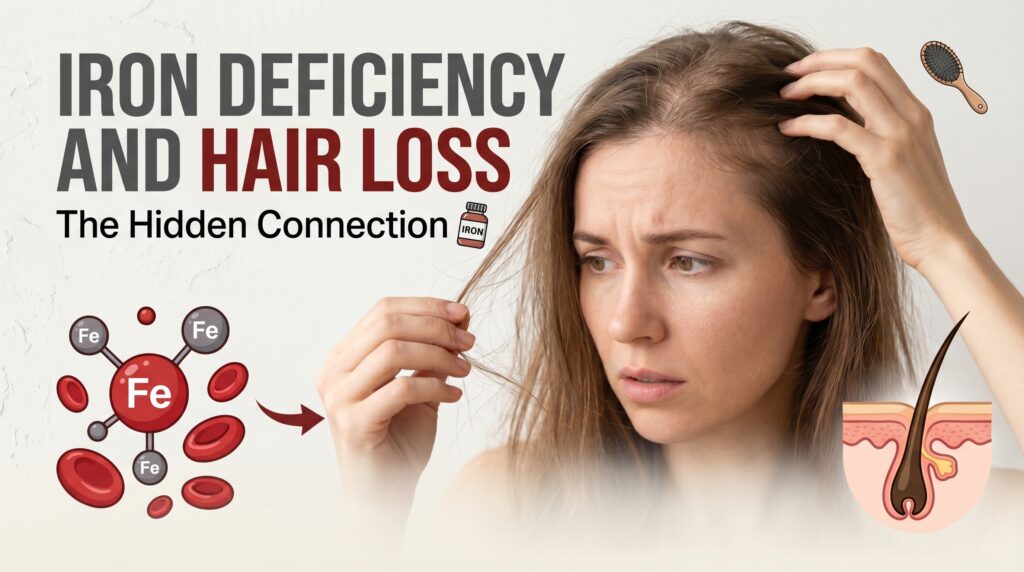
Iron deficiency hair loss is a form of diffuse hair shedding triggered when the body lacks sufficient iron to support normal hair follicle function, oxygen delivery to the scalp, and cellular processes essential for hair growth. According to the World Health Organization, iron deficiency affects over 2 billion people globally, making it the single most prevalent nutritional disorder on the planet.
If you have been losing more hair than usual, finding clumps in the shower drain, or noticing your ponytail getting thinner, iron deficiency could be the hidden culprit. Unlike genetic hair loss that follows predictable patterns, iron-related hair fall often catches people off guard because it shows up as general thinning across the entire scalp rather than a receding hairline or bald spot.
Dr. Abhishek Pilani, MBBS MD Dermatology (Gold Medalist, Pramukhswami Medical College), ISHRS Member and DHA Licensed physician, has evaluated thousands of hair fall cases at Assure Clinic. He notes that iron deficiency is one of the most commonly overlooked causes of hair loss, particularly in Indian women: “Across our 20,000+ procedures and countless consultations, I have seen patients spend months or years trying topical treatments when a simple blood test would have revealed that low ferritin was the root cause of their thinning. Correcting iron stores is often the first step before any advanced treatment plan.”
This comprehensive guide explains exactly how iron deficiency triggers hair loss, which blood tests you need, the ferritin levels required for healthy hair, and a clear treatment roadmap to get your hair growing again.
Not all hair loss needs a transplant.
Hair loss has a stage, and the right step depends on which one you’re at. The Growth Catalyst — Assure Clinic’s hair care brand — will assess your stage free in about two minutes. If you’re further along than products can help, it will tell you that and book you a free consult with an Assure dermatologist.
The Growth Catalyst is Assure Clinic’s hair care brand. You’ll continue on thegrowthcatalyst.co.
Once your ferritin is corrected, the next question is whether existing damage can be reversed. Explore Assure Clinic’s permanent hair restoration, see your nearest flagship at best hair transplant in Hyderabad, or check baldness calculator.
How Iron Deficiency Causes Hair Loss
Iron is not just about preventing anemia. It plays a direct role in hair biology at the cellular level. When your body runs low on iron, hair is one of the first things it sacrifices because, from a survival standpoint, hair is non-essential tissue.
The Telogen Effluvium Mechanism
Iron deficiency hair loss primarily manifests as telogen effluvium, a condition where a disproportionate number of hair follicles are pushed prematurely from the growth phase (anagen) into the resting and shedding phase (telogen). Here is what happens step by step:
- Iron stores drop in the body, reducing the amount available for non-critical functions
- Oxygen delivery to hair follicles decreases because iron is a core component of hemoglobin, which carries oxygen in red blood cells
- Hair matrix cell division slows down as cells in the hair bulb are among the fastest-dividing cells in the body and require significant oxygen and iron
- Follicles enter telogen prematurely, causing hair to stop growing and eventually fall out
- Shedding increases 2 to 3 months after the iron drop, as telogen hairs are released
A landmark study published in the European Journal of Dermatology (2006) found that women with chronic telogen effluvium had significantly lower ferritin levels compared to controls, with 72% of those with diffuse hair loss having ferritin levels below 40 ng/mL.
Iron’s Role in Hair Follicle Biology
Iron is essential for hair growth through several interconnected pathways:
- Ribonucleotide reductase enzyme: This iron-dependent enzyme is critical for DNA synthesis in rapidly dividing hair matrix cells. Without adequate iron, cell proliferation in the hair bulb slows dramatically (Kantor et al., Journal of the American Academy of Dermatology, 2003).
- Oxygen transport via hemoglobin: Hair follicles receive oxygen through the dermal papilla’s blood supply. Low iron means less hemoglobin, less oxygen, and weaker hair production.
- Ferritin storage in follicles: Hair follicles themselves store ferritin. Research published in the Journal of Investigative Dermatology (2002) demonstrated that ferritin is present in the outer root sheath of hair follicles and plays a role in hair growth regulation.
- Cytochrome enzymes: Iron is a cofactor in cytochrome c oxidase and other enzymes in the mitochondrial electron transport chain, powering the energy-intensive process of hair shaft production.
- Lysyl hydroxylase function: This iron-dependent enzyme is essential for collagen synthesis, which supports the structural integrity of the hair follicle.
Signs Your Hair Loss Is Iron-Related
Not all hair loss is caused by iron deficiency. Here are the specific signs that point to iron as the likely culprit rather than genetics or other hair fall reasons:
Primary Hair Symptoms
- Diffuse thinning across the entire scalp rather than a receding hairline or bald patch at the crown
- Increased hair shedding during washing and brushing (more than 100 hairs per day)
- Hair texture changes: strands become dry, brittle, and break easily
- Slower hair growth: hair seems to stop growing past a certain length
- Widening part line without the typical pattern baldness distribution
Associated Symptoms (Beyond Hair)
Iron deficiency affects your entire body, not just your hair. If hair loss occurs alongside these symptoms, iron deficiency becomes a strong suspect:
- Persistent fatigue and low energy levels
- Pale skin, especially inner eyelids and nail beds
- Shortness of breath during mild exertion
- Brittle or spoon-shaped nails (koilonychia)
- Cold hands and feet
- Frequent headaches or dizziness
- Restless leg syndrome
- Craving non-food items like ice, dirt, or starch (pica)
- Sore or swollen tongue
- Frequent infections due to compromised immune function
If you are experiencing three or more of these symptoms alongside increased hair shedding, getting your iron levels checked should be the first diagnostic step.
Ferritin Levels Explained: What Numbers Mean for Your Hair
Ferritin is the protein that stores iron in your body. It is the single most important blood marker for understanding iron-related hair loss because ferritin can drop significantly before hemoglobin levels change. This means you can have low ferritin and be losing hair while your standard blood count still looks “normal.”
Ferritin Levels and Hair Health
| Ferritin Level (ng/mL) | Classification | Impact on Hair | Action Required |
|---|---|---|---|
| Below 12 | Severe deficiency | Significant hair shedding, possible hair shaft abnormalities | Urgent medical treatment, possible IV iron |
| 12 to 30 | Low/Depleted stores | Active telogen effluvium likely, diffuse thinning | Oral iron supplementation, dietary changes |
| 30 to 50 | Suboptimal | Mild to moderate increased shedding, slower growth | Supplementation recommended for hair optimization |
| 50 to 70 | Adequate (general health) | Hair loss may begin stabilizing | Monitor, dietary maintenance |
| 70 to 100 | Optimal for hair growth | Healthy hair cycle supported | Maintenance through diet |
| Above 100 | Well-stocked | No iron-related hair impact | No action needed |
| Above 300 | Excess (investigate) | Not beneficial for hair, may indicate inflammation | Medical evaluation required |
Critical insight: Most standard lab reference ranges list ferritin as “normal” starting at 12 ng/mL. However, hair researchers and trichologists widely agree that ferritin needs to be at least 50 to 70 ng/mL before hair loss from iron deficiency begins to resolve. A 2007 study in the Journal of the American Academy of Dermatology by Trost et al. specifically recommended that dermatologists aim for ferritin levels above 40 ng/mL as a minimum threshold for addressing hair loss.
This discrepancy is why many patients are told their iron is “fine” by their general practitioner while still losing hair. The range considered normal for preventing anemia is not the same as the range needed for optimal hair growth.
Who Is at Risk for Iron Deficiency Hair Loss
Certain groups face a significantly higher risk of developing iron deficiency and the hair loss that follows. Understanding your risk profile helps with early detection and prevention.
Women of Reproductive Age
Women between 15 and 49 are the highest-risk group. The WHO estimates that 33% of women of reproductive age globally are iron deficient. Contributing factors include:
- Monthly menstrual blood loss: Women with heavy periods (menorrhagia) lose substantially more iron monthly than their diet can replenish
- Pregnancy and postpartum: Iron requirements nearly double during pregnancy, and postpartum hair loss is frequently compounded by depleted iron stores
- Breastfeeding: Continued iron demand during lactation extends the depletion period
This is also a key reason why female pattern hair thinning must be carefully differentiated from iron deficiency hair loss, as both present with diffuse thinning in women.
Vegetarians and Vegans
Plant-based diets contain non-heme iron, which has a bioavailability of only 2 to 20% compared to 15 to 35% for heme iron from animal sources (Hurrell & Egli, American Journal of Clinical Nutrition, 2010). While vegetarian diets can provide adequate iron, they require careful planning and awareness of absorption-enhancing and absorption-blocking food combinations.
Endurance Athletes
Runners and endurance athletes lose iron through sweat, gastrointestinal blood loss from impact stress, and hemolysis (destruction of red blood cells from repetitive foot strike). Female athletes face a compounded risk.
Other High-Risk Groups
- Individuals with gastrointestinal conditions: Celiac disease, Crohn’s disease, and H. pylori infection reduce iron absorption
- Frequent blood donors: Each donation removes approximately 200 to 250 mg of iron
- Post-bariatric surgery patients: Altered gut anatomy reduces absorption capacity
- Elderly individuals: Reduced stomach acid decreases iron absorption
- Individuals on long-term proton pump inhibitors (PPIs): These medications reduce stomach acid, which is essential for iron absorption
Iron Deficiency Hair Loss in Women vs Men
While iron deficiency can cause hair loss in both sexes, the presentation, prevalence, and clinical significance differ considerably.
In Women
- Prevalence: Far more common due to menstruation, pregnancy, and dietary patterns
- Pattern: Diffuse thinning across the scalp, widening part, reduced ponytail volume
- Diagnosis challenge: Often overlaps with or masks early female pattern hair loss
- Treatment response: Generally excellent once ferritin is optimized
- Timeline: Regrowth visible within 3 to 6 months of reaching optimal ferritin
In Men
- Prevalence: Less common but underdiagnosed because androgenetic alopecia is assumed first
- Pattern: Also diffuse, but may be mistaken for early male pattern baldness
- Diagnosis challenge: Iron deficiency may coexist with genetic hair loss, complicating the picture
- Treatment response: Good for the iron-related component; genetic component requires separate treatment
- Risk groups: Vegetarian men, endurance athletes, men with GI disorders
A 2013 study in the Journal of Korean Medical Science found that among men with various types of alopecia, those with lower ferritin levels experienced more severe hair loss, suggesting iron plays a role in hair health for men as well.
Diagnosis: Blood Tests You Need
If you suspect iron deficiency is contributing to your hair loss, do not settle for a basic hemoglobin check. Request a comprehensive iron panel. Here are the specific tests and what to look for:
Essential Iron Panel for Hair Loss
- Serum Ferritin: The most important test. Measures your body’s iron storage. Aim for above 70 ng/mL for hair optimization, not just the lab’s “normal” cutoff of 12.
- Serum Iron: Measures the amount of iron circulating in your blood at the time of testing. Normal range: 60 to 170 mcg/dL.
- Total Iron Binding Capacity (TIBC): Measures how much transferrin (iron transport protein) is available. Elevated TIBC indicates the body is trying to capture more iron because stores are low. Normal range: 250 to 370 mcg/dL.
- Transferrin Saturation: Calculated from serum iron and TIBC. Below 20% suggests iron deficiency. Normal range: 20 to 50%.
- Complete Blood Count (CBC) with Hemoglobin: Checks for anemia. However, remember that ferritin drops and hair loss begins long before hemoglobin falls below normal.
Additional Tests to Consider
- Vitamin D: Low vitamin D often accompanies iron deficiency and independently contributes to hair loss
- Vitamin B12 and Folate: Essential for red blood cell production and oxygen delivery
- Thyroid Panel (TSH, T3, T4): Thyroid disorders mimic iron deficiency hair loss and often coexist
- Zinc: Another mineral linked to hair health that may be depleted alongside iron
When to Test
- First thing in the morning, fasting
- Before starting any iron supplements (to get a true baseline)
- Retest every 3 months during treatment to track progress
- Continue monitoring for 6 months after reaching target levels
Treatment: Iron Supplementation, Diet, and Absorption Tips
Once iron deficiency is confirmed, a multi-pronged approach works best for restoring both your iron levels and your hair.
Iron Supplementation
Oral iron supplements are the first-line treatment for most cases of iron deficiency hair loss. Common forms include:
- Ferrous sulfate (325 mg, containing 65 mg elemental iron): Most commonly prescribed, taken 1 to 3 times daily
- Ferrous bisglycinate (better tolerated, fewer GI side effects, comparable absorption)
- Ferrous fumarate and ferrous gluconate: Alternative forms for those who cannot tolerate ferrous sulfate
- IV iron infusions: Reserved for severe deficiency, malabsorption conditions, or intolerance to oral iron
Absorption tips to maximize effectiveness:
- Take iron on an empty stomach when possible (1 hour before or 2 hours after meals)
- Pair with vitamin C (200 mg or a glass of orange juice) to enhance absorption by up to 67% (Hallberg et al., American Journal of Clinical Nutrition)
- Avoid taking iron within 2 hours of calcium supplements, dairy products, tea, or coffee, which inhibit absorption
- Space iron away from antacids, PPIs, and thyroid medications by at least 4 hours
- Take iron every other day rather than daily: a 2017 study in The Lancet Haematology showed that alternate-day dosing improved absorption by up to 34% due to hepcidin cycling
Dietary Approach
Supplementation works faster, but building iron-rich dietary habits ensures long-term maintenance once target levels are reached.
Iron-Rich Foods for Hair Growth
Incorporating iron-rich foods into your daily diet supports both hair health and overall wellness. The table below covers the best sources, organized by bioavailability.
Top Iron-Rich Foods
| Food Source | Iron Content (per 100g) | Type | Absorption Tip |
|---|---|---|---|
| Chicken liver | 11 mg | Heme | Pair with lemon-based salad |
| Oysters | 7.8 mg | Heme | Best bioavailability among shellfish |
| Red meat (lean beef) | 3.5 mg | Heme | Limit to 2-3 servings per week |
| Spinach (cooked) | 3.6 mg | Non-heme | Cook with tomato to enhance absorption |
| Lentils (cooked) | 3.3 mg | Non-heme | Soak before cooking, pair with vitamin C |
| Chickpeas (cooked) | 2.9 mg | Non-heme | Add lemon juice before eating |
| Tofu (firm) | 5.4 mg | Non-heme | Choose calcium-set varieties sparingly |
| Pumpkin seeds | 8.1 mg | Non-heme | Eat as snack with citrus fruit |
| Quinoa (cooked) | 2.8 mg | Non-heme | Rinse to remove phytates before cooking |
| Dark chocolate (70%+) | 11.9 mg | Non-heme | Moderate portions alongside vitamin C source |
| Fortified cereals | 8 to 18 mg | Non-heme | Check labels, avoid with milk (calcium blocks absorption) |
| Beetroot | 0.8 mg | Non-heme | Modest iron but supports blood health via nitrates |
| Dates (dried) | 1.0 mg | Non-heme | Combine with amla or citrus |
| Moringa leaves | 4.0 mg | Non-heme | Traditionally used in Indian cuisine for iron |
| Jaggery | 11 mg | Non-heme | Traditional Indian iron source, use as sugar alternative |
For a complete guide to nutrition and hair health, read our detailed article on essential nutrients for hair health and the best foods for healthy hair.
Absorption Enhancers vs Blockers
Enhancers (consume WITH iron): – Vitamin C-rich foods (citrus, amla, bell peppers, tomatoes) – Fermented foods (idli, dosa batter, fermented vegetables) – Cooking in cast iron cookware
Blockers (consume AWAY from iron): – Tea and coffee (tannins reduce absorption by up to 60%) – Dairy products and calcium supplements – Phytates in whole grains and legumes (soaking and cooking reduces phytate content) – Eggs (phosvitin in egg yolk binds iron) – Soy protein isolates
When Iron Treatment Alone Is Not Enough
In many cases, correcting iron deficiency completely resolves hair loss. However, there are situations where iron optimization is just the starting point.
Scenarios Requiring Advanced Treatment
- Prolonged deficiency with follicle damage: Years of iron deficiency may have caused some follicles to miniaturize beyond recovery with supplementation alone
- Coexisting androgenetic alopecia: Iron deficiency hair loss can mask or coexist with genetic hair loss. Once iron is corrected, the genetic component becomes visible
- Scarring from chronic scalp conditions: Inflammation from untreated deficiency-related scalp changes may have caused permanent follicle damage in some areas
- Age-related follicle changes: In patients over 40, even after iron correction, follicle regeneration capacity may be reduced
Treatment Options Beyond Iron
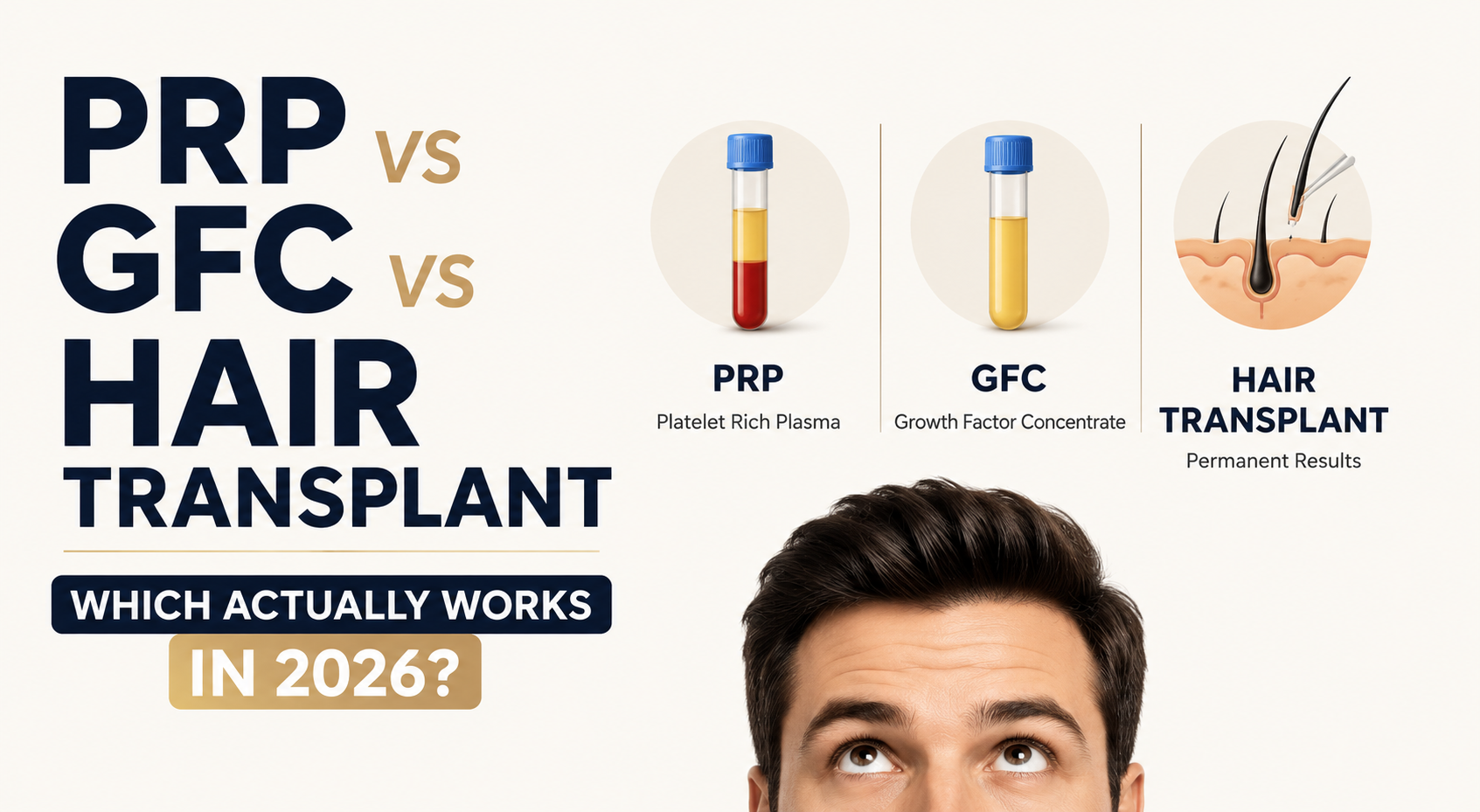
- PRP (Platelet-Rich Plasma) therapy: Uses your own blood’s growth factors to stimulate dormant follicles. Particularly effective when combined with iron optimization. Research shows PRP can increase hair density by 30 to 40% in suitable candidates.
- GFC (Growth Factor Concentrate) therapy: A next-generation platelet therapy that delivers a higher concentration of growth factors directly to weakened follicles
- QR678 therapy: A growth factor-based treatment that targets follicles affected by nutritional deficiencies and miniaturization
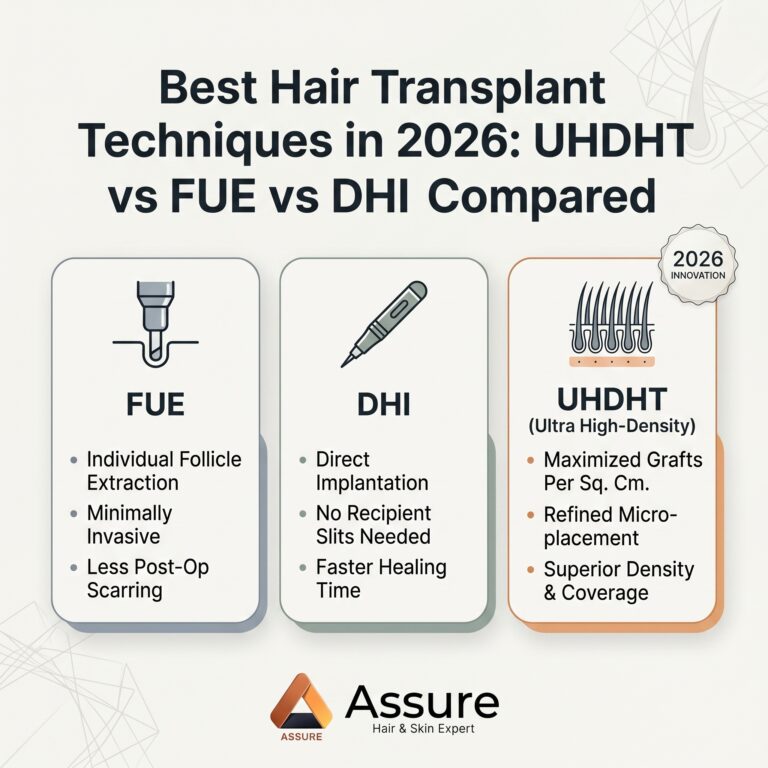
- Hair transplant with Assure Clinic’s UHDHT method: When iron deficiency has been corrected but significant areas of permanent hair loss remain, the UHDHT method with its exclusive UFME (Ultra-Fine Micro Extraction) and DSHI (Direct Simultaneous High-Precision Implantation) techniques can restore density at 60 to 80 grafts per cm², performed by Assure Clinic’s team of 60+ qualified doctors
Use our Baldness Calculator to assess the current extent of your hair loss and determine whether nutritional correction alone may suffice or if additional treatment is needed.
Recovery Timeline: When to Expect Regrowth
Understanding the timeline is critical for managing expectations. Iron deficiency hair loss does not reverse overnight, and impatience often leads people to abandon treatment prematurely.
Month-by-Month Recovery Timeline
- Month 1 to 2: Iron levels begin rising. Shedding may temporarily increase as the body adjusts (this is normal and expected). No visible hair changes yet.
- Month 2 to 3: Ferritin reaches therapeutic range (above 50 ng/mL). Shedding begins to slow. New baby hairs may start appearing around the hairline and part line.
- Month 3 to 6: Visible improvement. New growth becomes noticeable. Hair texture begins improving. Shedding returns to normal levels (50 to 100 hairs per day).
- Month 6 to 9: Significant regrowth. Hair volume improves noticeably. New hairs thicken and mature.
- Month 9 to 12: Full recovery for most patients. Hair density and quality approach pre-deficiency levels.
- Month 12 and beyond: Continued maintenance through diet and, if needed, periodic supplementation.
Important caveat: These timelines assume consistent supplementation and achievement of target ferritin levels. Interrupting treatment or failing to reach optimal levels will delay recovery.
Iron Deficiency Hair Loss vs Androgenetic Alopecia vs Telogen Effluvium
Understanding the differences between these three common causes of hair loss is essential for getting the right treatment.
| Feature | Iron Deficiency Hair Loss | Androgenetic Alopecia | Telogen Effluvium (General) |
|---|---|---|---|
| Cause | Low ferritin/iron stores | Genetic sensitivity to DHT | Physical or emotional stress trigger |
| Pattern | Diffuse thinning, all areas | Patterned (hairline, crown in men; widening part in women) | Diffuse thinning, all areas |
| Onset | Gradual, over months | Gradual, over years | Sudden, 2-3 months after trigger |
| Shedding rate | Moderate to high (100-300/day) | Low to moderate | High (300+ hairs/day) |
| Reversibility | Fully reversible | Progressive without treatment | Self-resolving once trigger removed |
| Key diagnostic test | Serum ferritin below 30 ng/mL | Dermoscopy showing miniaturization | Positive hair pull test, identified trigger |
| Hair quality | Dry, brittle, breaks easily | Miniaturized (thinner, shorter) | Normal quality, just excessive shedding |
| Associated symptoms | Fatigue, pallor, cold extremities | None beyond hair loss | Related to underlying trigger |
| Who it affects most | Women, vegetarians, athletes | Men primarily, women after menopause | Anyone after major stressor |
| Treatment | Iron supplementation + diet | Medications, PRP, hair transplant | Address underlying trigger |
| Recovery time | 3-6 months with treatment | Ongoing management required | 6-12 months after trigger resolved |
| Can coexist? | Yes, often with androgenetic alopecia | Yes, worsened by low iron | Yes, iron deficiency is a common trigger |
Expert Insight from Dr. Abhishek Pilani
“Iron deficiency is what I call the great mimicker in hair loss medicine. A patient walks in convinced they are going bald genetically, but their blood work tells a completely different story. I have seen women with ferritin levels of 8 ng/mL who were told their levels were ‘normal’ because they were above the lab’s minimum cutoff. For hair, we need ferritin well above 50 to 70 ng/mL. At Assure Clinic, we never start a treatment plan without a comprehensive iron panel. Treating iron-deficient hair loss with the wrong approach wastes time, money, and most importantly, the patient’s confidence.”
Dr. Abhishek Pilani, MBBS MD Dermatology (Gold Medalist, Pramukhswami Medical College), ISHRS Member, DHA Licensed, Founder of Assure Clinic
If iron supplementation alone does not reverse your hair loss after 6 months, a clinical assessment helps identify whether androgenetic alopecia has set in alongside the deficiency. Book a free trichoscopy at our Mumbai hair transplant clinic — qualified doctors review your blood panel and scalp together.
Frequently Asked Questions (FAQs)
Can iron deficiency cause permanent hair loss?
In most cases, iron deficiency hair loss is fully reversible once ferritin levels are restored to optimal ranges (above 70 ng/mL). However, if iron deficiency persists for several years without treatment, chronic follicle undernourishment may lead to some degree of permanent thinning. Early detection and treatment are key. If you have been experiencing diffuse thinning, get a complete iron panel as your first step. For persistent cases, Assure Clinic’s hair fall control programme addresses all underlying causes.
What ferritin level causes hair loss?
Hair loss is strongly associated with ferritin levels below 30 ng/mL, according to research published in the Journal of Korean Medical Science. However, suboptimal hair growth can occur at any level below 50 to 70 ng/mL. Most trichologists and dermatologists specializing in hair loss recommend targeting ferritin above 70 ng/mL for optimal hair health, even though standard lab ranges consider anything above 12 ng/mL as “normal.”
How long does it take for hair to grow back after correcting iron deficiency?
Most patients begin noticing reduced shedding within 2 to 3 months of starting iron supplementation, with visible new growth appearing between months 3 and 6. Full recovery to pre-deficiency hair volume typically takes 6 to 12 months of consistent supplementation and maintained ferritin levels. Individual timelines vary based on the severity and duration of the deficiency.
Can anemia cause hair loss even if it is mild?
Yes. Hair loss can occur even with mild iron deficiency that has not progressed to clinical anemia. This is because ferritin (storage iron) drops well before hemoglobin levels fall below the anemia threshold. Your body prioritizes iron for essential functions like red blood cell production, pulling iron away from hair follicles first. This is why many people lose hair at ferritin levels that are technically “non-anemic.”
What is the best iron supplement for hair loss?
Ferrous bisglycinate is generally recommended as the best iron supplement for hair-related iron deficiency due to its superior absorption and lower incidence of gastrointestinal side effects compared to ferrous sulfate. However, ferrous sulfate remains effective and is more widely available. Pair any iron supplement with 200 mg of vitamin C to boost absorption, and consider alternate-day dosing based on recent research showing improved absorption through hepcidin cycling.
Does iron deficiency hair loss look different from genetic hair loss?
Yes. Iron deficiency hair loss typically presents as diffuse thinning across the entire scalp, whereas genetic hair loss (androgenetic alopecia) follows predictable patterns: receding hairline and crown thinning in men, and widening part line in women. Additionally, iron deficiency hair loss is accompanied by systemic symptoms like fatigue, pale skin, and brittle nails, while genetic hair loss occurs without other physical symptoms.
Can men experience iron deficiency hair loss?
Absolutely. While less common than in women, men can develop iron deficiency from vegetarian diets, gastrointestinal conditions (celiac disease, Crohn’s, chronic gastritis), frequent blood donation, or heavy endurance training. In men, iron deficiency hair loss is frequently misdiagnosed as early androgenetic alopecia because diffuse thinning is assumed to be genetic by default.
Should I take iron supplements without a blood test?
No. Taking iron supplements without confirming a deficiency through blood work is not recommended. Excess iron can accumulate in organs and cause toxicity (hemochromatosis), leading to liver damage, joint pain, and other serious complications. Always get a serum ferritin test before starting supplementation, and work with a qualified doctor to determine the right dosage and duration.
Can iron deficiency cause hair loss in specific areas only?
Iron deficiency typically causes diffuse (widespread) hair thinning rather than patchy loss. If you are experiencing hair loss in specific, well-defined patches, other causes such as alopecia areata, fungal infection, or traction alopecia are more likely. However, iron deficiency can worsen pre-existing localized hair loss conditions, so testing iron levels is always worthwhile regardless of the pattern.
Will eating more spinach cure my iron-related hair loss?
Spinach is a good source of non-heme iron (3.6 mg per 100g cooked), but relying on spinach alone is unlikely to correct a clinically significant deficiency quickly enough to stop hair loss. Non-heme iron from plant sources has much lower bioavailability (2 to 20%) compared to heme iron from animal sources (15 to 35%). Additionally, spinach contains oxalates that partially inhibit iron absorption. A combination of iron-rich foods, strategic food pairing (vitamin C with iron), and supplementation when indicated is the most effective approach.
Conclusion
Iron deficiency hair loss is one of the most treatable forms of hair loss, yet it remains one of the most underdiagnosed. The gap between what labs call “normal” ferritin and what your hair actually needs to thrive leaves millions of people in a frustrating limbo where they are losing hair but being told their blood work is fine.
The path forward is straightforward: get a comprehensive iron panel, aim for ferritin levels above 70 ng/mL, optimize your diet, supplement strategically, and give your body time to rebuild. For most people, this approach delivers meaningful results within 3 to 6 months.
However, if correcting iron has not fully resolved your hair loss, or if you suspect genetic factors are also at play, expert evaluation is the logical next step. Assure Clinic’s team of 60+ qualified doctors, led by Dr. Abhishek Pilani, offers comprehensive hair loss diagnostics that go beyond basic blood work to identify every contributing factor, ensuring you get the right treatment from the start.
Take the Next Step
Book a free consultation to get a comprehensive hair loss evaluation, including a full iron panel review and personalized treatment plan.
- Call: +91 95861 22444
- WhatsApp: +91 95861 22444
- Online: Visit assureclinic.com to book your appointment
Assure Clinic has 13 locations across India and Dubai, with 20,000+ successful procedures and a 95% graft survival rate.
Combine iron supplementation with a medical hair fall control plan for best results.